


Veneto
Veneto is the wine region around Venice and Verona, in northeastern Italy. Valpolicella, ripasso and the powerful amarone come from here, as well as fresh white soave, light bardolino from Lake Garda, plenty of pinot grigio and prosecco.


Wine from Veneto, by type
Veneto has a few wines that you come across everywhere. We have a dedicated page for four of them, from light bardolino to heavy amarone.

Valpolicella
Veneto's best-known red wine, with the differences between classico, superiore and ripasso explained.
About Valpolicella →
Amarone
The heavyweight of Veneto, made from grapes that dry for months after harvest.
About amarone →
Bardolino
The light red wine from the shores of Lake Garda, delicious served slightly chilled.
About bardolino →
Pinot grigio
The white grape that grows on a huge scale in northeastern Italy, producing fresh and approachable wine.
About pinot grigio →From Lake Garda to the Prosecco Hills
Veneto lies in northeastern Italy, between Lake Garda in the west and Venice and the Adriatic Sea in the east. The region produces a great deal of wine, from simple pinot grigio to some of Italy's most famous red wines. The best-known wine region lies in the hills north of Verona: Valpolicella. There they make red wine from local grapes, especially corvina, supplemented with rondinella and sometimes molinara. A regular Valpolicella is light and fruity, with cherry flavors and a slight bitterness.
What makes Valpolicella special is the drying of grapes. For amarone, winemakers let the harvested grapes dry for a few months on racks or mats, so they lose water and the juice becomes more concentrated. They then ferment the grapes until dry. This produces a full-bodied, powerful wine, often with 15% alcohol or more. If sugar remains, the wine is called recioto: a sweet dessert wine. Ripasso lies somewhere in between: ordinary Valpolicella that passes over the amarone skins once more, making it fuller and rounder. On the eastern shore of Lake Garda lies Bardolino, with light, fresh red wine. In Soave, they make white wine from garganega. Farther east, in the hills near Conegliano and Valdobbiadene, lies the heart of prosecco.
In brief
Seven bottles, from bardolino to recioto
The red wines below increase in intensity: from light and fresh to full-bodied and heavy, and finally sweet. Then two white wines to pair with fish or serve as an aperitif.

Masi Frescaripa Bardolino
Light and juicy red from the shores of Lake Garda, with plenty of cherry fruit. Delicious served slightly chilled.
Zonin Valpolicella Classico
Light, smooth and easy to drink, made from the region's typical grapes: corvina, rondinella and molinara.

Cantina di Verona Valpolicella Ripasso
Valpolicella that undergoes a second fermentation on amarone skins. This gives it more power and a rounder taste.
Masi Costasera Amarone Classico
Made from dried grapes that have been fermented dry. Full-bodied and robust, with ripe cherries, dried fruit and a slightly bitter finish.

Recioto della Valpolicella
Also made from dried grapes, but not all the sugar is converted into alcohol here. The result is a sweet red wine.

Zonin Soave Classico
Classic white wine from northern Italy, made from 100% Garganega. Green apple, white blossom and almond.
Terre di Verona Pinot Grigio
Fruity Pinot Grigio with freshness and flavors of apple, pear and citrus. An easy-drinking wine for casual drinks.
How are the grapes dried, and what is the difference between Ripasso and Recioto? You can read about it on our Amarone page.
Cherries, dried fruit and a hint of bitterness
Cherries & raisins
A young Valpolicella or Bardolino smells of fresh red cherries. With Ripasso and Amarone, this develops into ripe cherries, plums, raisins and figs, with notes of chocolate, spices and sometimes coffee.
From light to full-bodied
Bardolino and Valpolicella are light and juicy, with soft tannins. Ripasso is rounder and fuller. Amarone is big and warm, with plenty of alcohol and a velvety, almost sweet impression, while still being dry.
Slightly bitter
Much red wine from Valpolicella finishes with a slight bitterness of cherry stones or almonds. The name Amarone also refers to this: amaro is Italian for bitter.
Flavor profile of an average Valpolicella Ripasso. Amarone scores even higher for power, while Bardolino or regular Valpolicella score much lower and higher for freshness.
How to serve wine from Veneto
Light reds chilled, Amarone just below room temperature and with some air, white wine and Prosecco chilled.
Bardolino and Valpolicella chilled
Bardolino and regular Valpolicella are light wines. Serve them at around 14 to 16 degrees to keep them fresh and juicy. Half an hour in the fridge is enough. Ripasso can be served slightly warmer, around 16 to 17 degrees.
More about wine temperature →Let Amarone breathe
Serve Amarone at 16 to 18 degrees, in a large glass. It is a powerful wine that benefits from oxygen: pour it into a decanter an hour in advance, or open the bottle well ahead of time. Serve small portions; at 15% alcohol or more, it is not a thirst-quencher.
Decanters →White wine and Prosecco chilled
Serve Soave, Pinot Grigio and Lugana at 8 to 10 degrees. Prosecco can be a little colder, around 6 to 8 degrees. Serve Recioto, the sweet red wine, slightly cooler than Amarone, around 14 to 16 degrees, in a small glass.
More about decanting →Veneto wine at the table
The cuisine of Veneto revolves around risotto, polenta, fish from the lagoon and hearty stews. There is a suitable wine from the region for each of these dishes.
Pasta and cold cuts
Light reds pair well with tomato pasta, pizza, cold cuts and poultry. A lightly chilled bardolino can even be served with fish, such as grilled salmon or tuna.
Risotto and stewed meat
Ripasso calls for something more substantial: risotto with mushrooms, stewed meat, lasagne or a piece of roast meat. It also goes well with game.
Game and aged cheese
Amarone pairs well with game, slow-cooked beef and risotto all'amarone. A classic combination is aged, hard cheese such as Parmigiano or Monte Veronese. Or drink it after your meal, simply on its own.
Fish and antipasti
Soave and pinot grigio pair well with fish, shellfish, antipasti and light pasta dishes. Recioto, the sweet red, is served with chocolate cake or desserts with red fruit.
The right glass for wine from Veneto
An amarone or ripasso needs a large glass so that its rich aromas of cherries and dried fruit can develop. An ordinary red wine glass is sufficient for bardolino and valpolicella, a smaller glass for soave and a flute for prosecco. These are the glasses we recommend ourselves.


Everything you still wanted to know about wine from Veneto
Can't find your question here? Read more about wine and food, or get in touch.
Wine and food pairings →What kind of wine comes from Veneto?
What is the difference between valpolicella, ripasso, and amarone?
What is recioto?
How much alcohol does amarone contain?
Which glass do you use for amarone?
What do you eat with amarone?
Buy wine from Veneto
Want the bottle at home right away? Order wine from Veneto online at Gall & Gall. Gall & Gall has 48, 3 of which are on sale.
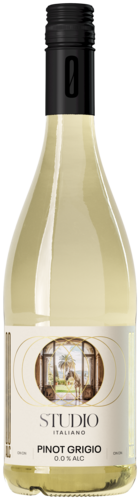

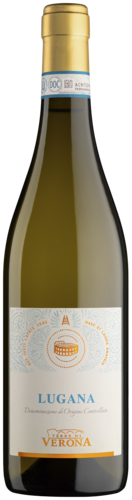
Lugana Terre di Verona
Prices as of October 9, 2026, as provided by Gall & Gall. You can find the current price and stock at Gall & Gall. Glazen.nl receives a small commission if you buy something through these links; you pay nothing extra. No 18, no alcohol.