Tea infusers

Loose-leaf tea tastes better than tea from a bag for one simple reason: a tea bag contains finely broken leaves that release their flavor too quickly and too flatly, while whole leaves have time to unfurl. All you need is something that keeps the leaves out of your glass.

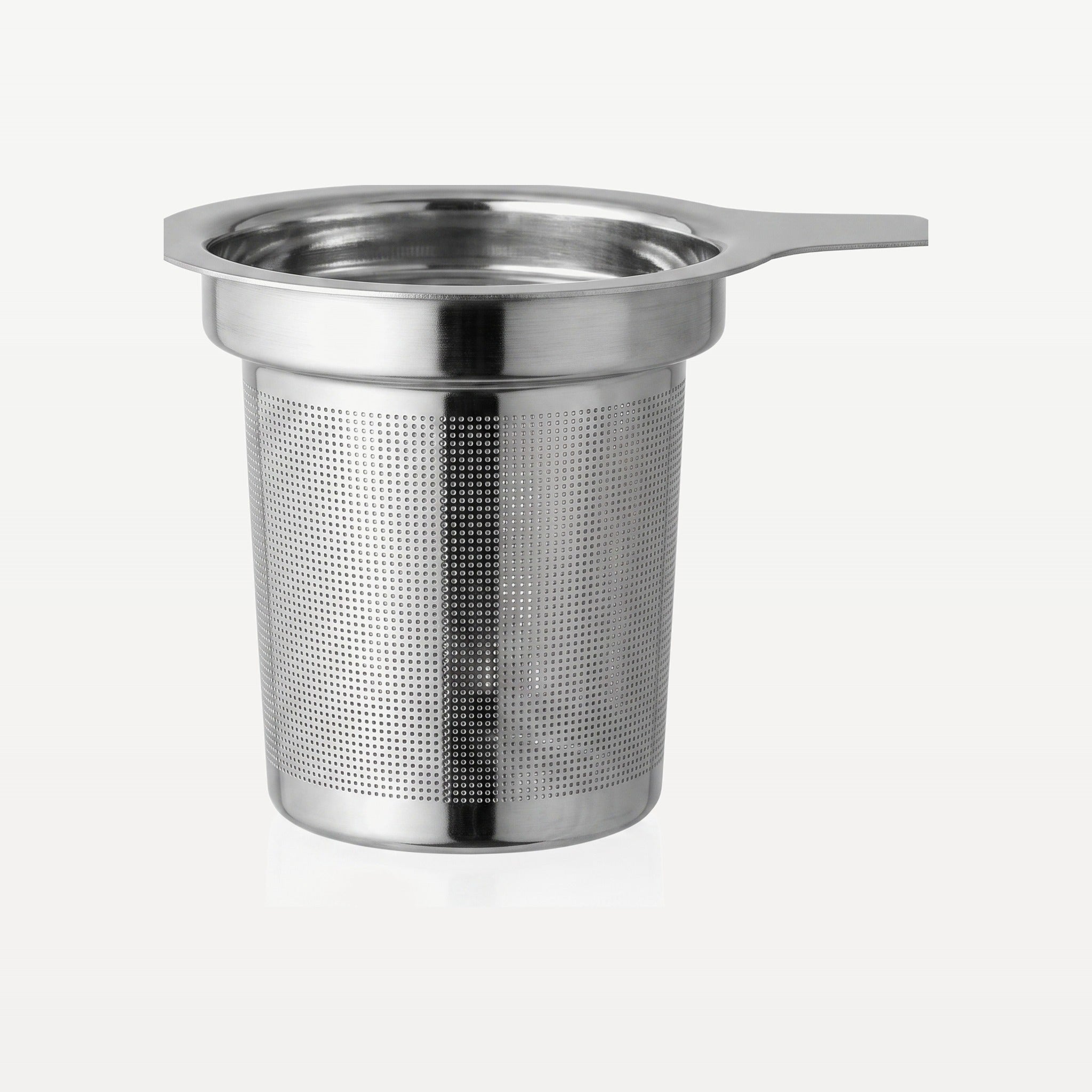
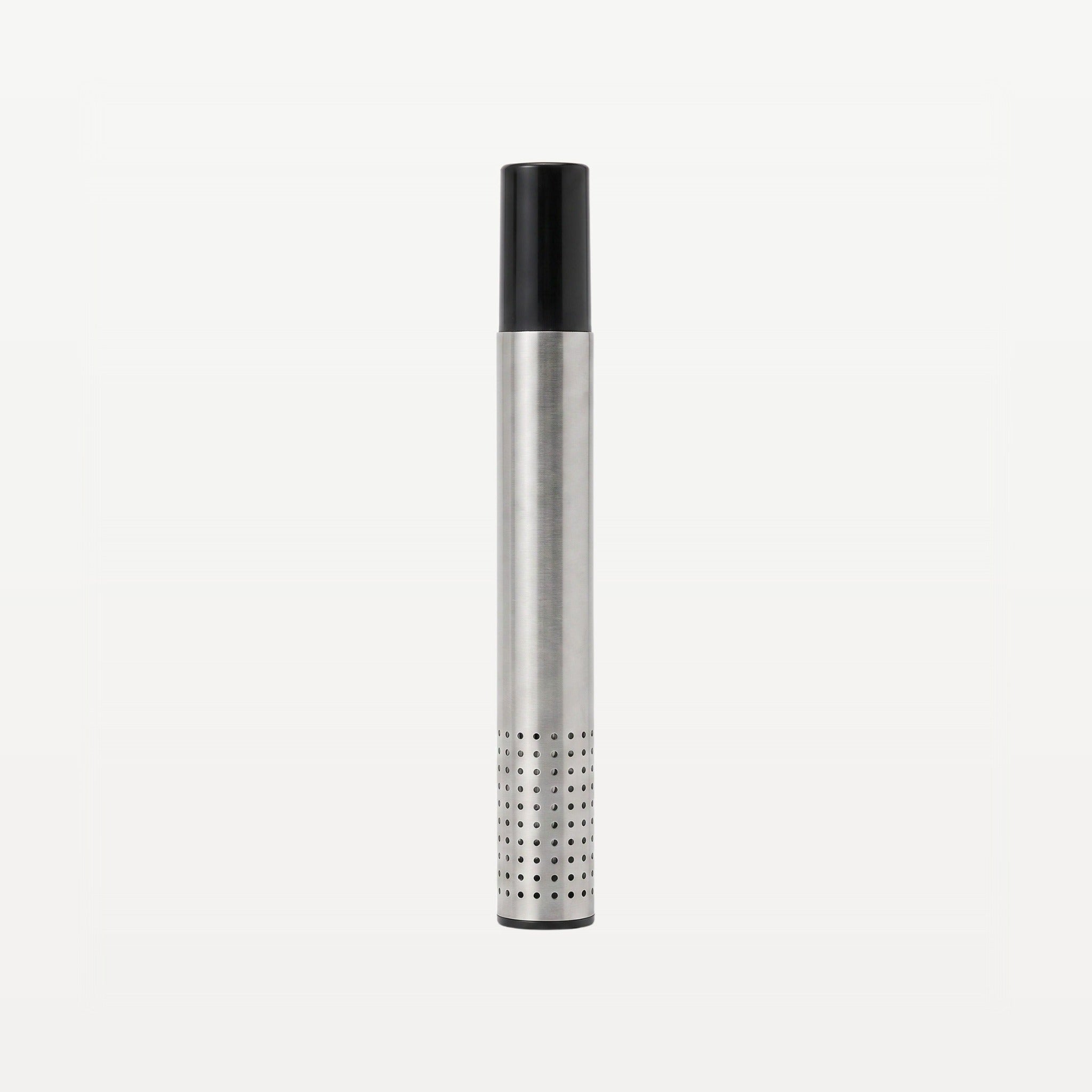
A tea infuser does exactly that. Fill it with loose-leaf tea, hang or place it in your glass or pot, and remove it when the steeping time is up. This category features stainless-steel infusers with fine perforations, for a single glass or a larger pot.

Filters

Sort by:

2 products

Bar Professional Theezeef RVS
Bar Professional Theezeef RVS met DekselBar Professional theezeef RVS met deksel
100% breakage-free, or we’ll send you a new one | Free returns with store credit | Shipping from €6.95

Mesh, diameter and lid

The mesh matters most. Fine tea such as rooibos or broken black tea calls for close perforation, otherwise leaves end up floating in your glass. Whole leaf, such as white tea or rolled oolong, needs the opposite: those curls expand to several times their dry volume as they steep, and in a narrow strainer they stay closed and give little away. So for leaf tea, choose a generous diameter. Watch the height too, because the strainer has to hang far enough into the water to submerge the tea completely, without putting it out of reach. A lid is a practical extra: it holds the heat while the tea steeps and afterwards serves as a saucer for the wet strainer.

Brewing: quantity, temperature and time

Reckon on about two grams of tea per cup, which comes to a level teaspoon for fine leaf and a heaped one for coarse leaf. Temperature makes more difference than most people think: brew green and white tea at around seventy to eighty degrees, black tea and herbal tea with water just off the boil. Water that is too hot on green tea gives a bitter cup within a minute. Steeping times run from two minutes for green tea to five for herbal tea. Lift the strainer out straight afterwards, because tea left hanging turns bitter. For iced tea, brew stronger and pour over ice; in winter a hot toddy is the version with whisky. Alcohol-free mixes sit under mocktails.

Preventing and removing staining

Rinse the strainer with warm water straight after use, so no leaves stay behind in the perforation. Stainless steel takes on no smells and does not discolour, but a brown film of tannins does settle on it. That comes loose with a solution of water and a dash of vinegar, or with a cleaning tablet. If the water runs through more slowly than before, the holes are blocked and an overnight soak helps. Dry the strainer thoroughly afterwards, otherwise limescale marks are left on the steel.

More to explore in the range

A strainer is rarely the only thing you need, so here are a few directions. The glasses that go with it sit under tea glasses, and if you pour coffee as well you will find thick-walled models under coffee glasses. Brewing for a larger group? There are the water jugs and the carafes. And if what you actually want is a strainer for behind the bar rather than for tea, have a look at the cocktail strainers or the bar tools.