


Piedmont
Piedmont lies in northwestern Italy, at the foot of the Alps. Barolo and Barbaresco, both made from Nebbiolo, come from the hills around Alba. They also produce juicy Barbera and Dolcetto, fresh Gavi, and sweet, lightly sparkling Moscato d'Asti.


Wine from Piedmont, by type
Piedmont's great names revolve around one grape. We have dedicated pages about that grape and its two most famous wines.

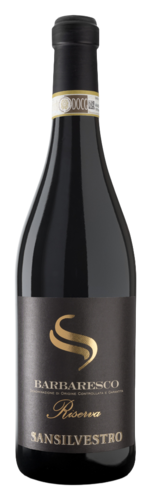
Barbaresco
Barolo's neighbor, also made from Nebbiolo, and often somewhat more elegant and ready to drink sooner.
About Barbaresco →
Nebbiolo
Light in color, but high in acidity and tannins. The grape behind Piedmont's greatest wines.
About Nebbiolo →
Italian wine
Piedmont is just one of Italy's wine regions. Read the full story here.
About Italian wine →Hills, mist and truffles
The name Piedmont means something like at the foot of the mountains. The region lies in northwestern Italy, with the Alps to the north and west and Turin as its capital. The main vineyards lie south of there, on the hills of the Langhe and Roero around the town of Alba, and in the Monferrato around Asti. In autumn, mist often hangs between the hills. According to a well-known explanation, Nebbiolo gets its name from this: nebbia is Italian for mist. Alba is also famous for its white truffle, which you see on menus everywhere in autumn.
Nebbiolo is Piedmont's leading grape. It produces a fairly light color, but plenty of acidity and firm tannins. It is used to make Barolo and Barbaresco, two of Italy's best-known wines. Barolo must age for at least just over three years before it may be sold, and a riserva for just over five years. Simpler Nebbiolo is called Langhe Nebbiolo or Nebbiolo d'Alba. For everyday drinking, people in Piedmont drink Barbera, juicy with plenty of fresh acidity, and Dolcetto, soft and fruity. For white wine, there is Gavi from the Cortese grape, Roero Arneis, and sweet, lightly sparkling Moscato d'Asti with only around 5% alcohol.
In brief
Seven bottles, from barolo to moscato d'Asti
First nebbiolo, from a Langhe Nebbiolo to a true barolo. Then the everyday wines, barbera and dolcetto, and finally three whites, one of them sweet.

Renato Ratti Langhe Nebbiolo
Nebbiolo from the Langhe, an accessible introduction to the grape used for barolo. Strawberry, raspberry and a typical Italian bitter note.

San Silvestro Barolo Biologico
Organic barolo made from grapes from different villages within the area. Powerful and complex, with the firm tannins of nebbiolo.

San Silvestro Barbera d'Asti Superiore
Barbera from the hills of Monferrato. It matures for fourteen months, six of them in oak, which is why it can be called superiore.

Costa di Bussia Dolcetto d'Alba
Dolcetto from the area around Alba, where the grape has its own designation of origin. Soft, fruity and ready to drink.

Gavi La Battistina
Gavi from the far south of Piedmont, made from the Cortese grape. Fresh, fruity and slightly spicy.

San Silvestro Roero Arneis
Arneis from Roero, the hills on the other side of the river from Alba. Fresh and aromatic, with beautiful minerality.
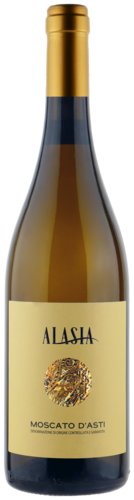
Alasia Moscato d'Asti
Sweet, lightly sparkling wine made from the Muscat grape, with just 5% alcohol. White flowers, table grapes and pear.
What makes barolo so special, and how long should you keep it? Find out on our barolo page.
Roses, cherries and firm tannins
Roses & cherries
Nebbiolo smells of red cherries, roses and violets, developing notes of tar, truffle and dried herbs after a few years. Barbera is juicier, with aromas of ripe cherries and plums. Dolcetto is mainly fruity.
Fresh and firm
Nebbiolo has high acidity and plenty of tannin. As a result, a young barolo can feel somewhat dry and austere. Barbera is fresh with little tannin, while dolcetto is soft and round.
Long and dry
A barolo or barbaresco has a long, dry finish with notes of cherries and herbs. Gavi and arneis finish fresh and mineral, while moscato is sweet and fruity.
Flavor profile of an average nebbiolo from Piedmont. Dolcetto scores lower for freshness and body, while moscato d'Asti scores high for sweetness.
How to serve Piedmontese wine
Red just below room temperature, white and moscato chilled, and barolo given plenty of air.
Red at 16 to 18 degrees
Serve barolo and barbaresco at around 17 to 18 degrees. Barbera and dolcetto can be served cooler, around 15 to 16 degrees; this keeps them juicy and fresh. If the bottle is in a warm room, put it in the refrigerator for fifteen minutes.
More about wine temperature →Let barolo breathe
A barolo or barbaresco is often closed and austere when young. Pour it into a decanter an hour or more before the meal. This softens the tannins and brings out the aromas of roses and cherries. If an older bottle has sediment, stand it upright a day in advance.
Decanters →White and moscato chilled
Serve gavi and arneis at 8 to 10 degrees. Moscato d'Asti can be even colder, around 6 to 8 degrees. This keeps it fresh and lively, and prevents the sweetness from becoming too heavy.
More about decanting →Piedmontese wine at the table
Piedmont has a rich cuisine, with braised meat, fresh pasta, truffle and cheese. The wine was made for it: its fresh acidity and firm tannins call for food.
Braised meat and truffle
Beef braised in red wine, game, risotto or pasta with truffle and aged hard cheese. Nebbiolo's tannins call for hearty food.
Pasta and pizza
Because of its fresh acidity, barbera pairs well with tomatoes: pasta with ragù, lasagne, pizza and a platter of salami.
Antipasti
Dolcetto is the wine to serve with starters: Parma ham, carpaccio, steak tartare and simple pasta.
Fish and dessert
Gavi and arneis pair well with fish, shellfish and vitello tonnato. Serve moscato d'Asti with fresh fruit, pastries or a light tart.
The right glass for Piedmontese wine
Pour barolo and barbaresco into a spacious red wine glass so the aromas of roses and cherries can develop. For barbera and dolcetto, an all-round wine glass is perfect; for gavi, use a smaller glass, and for moscato d'Asti, a tulip-shaped flute. These are the glasses we recommend ourselves.


Everything you still wanted to know about Piemontese wine
Can't find your question here? Read more about wine and food, or get in touch.
To wine and food →What is Piemontese wine?
What is the difference between barolo and barbaresco?
What is nebbiolo?
What is the difference between barbera and dolcetto?
How much alcohol is in barolo?
What do you eat with barolo?
Buy wine from Piemonte
Want the bottle at home right away? Order wine from Piemonte online at Gall & Gall. Gall & Gall has 72, 12 of which are on sale.
San Silvestro Piemonte Rosso Biologico

San Silvestro Piemonte Barbera Biologico


Prices as of October 9, 2026, as reported by Gall & Gall. You can see the current price and stock at Gall & Gall. Glazen.nl receives a small commission if you buy something through these links; you pay nothing extra. No 18, no alcohol.