M. Chapoutier
M. Chapoutier is one of the Rhône’s great names, based at the foot of Hermitage Hill. The estate makes wine throughout the valley, from everyday Côtes du Rhône to Cornas and Châteauneuf-du-Pape, and farms biodynamically. Here’s how the wines differ and what to eat with them.


From Hermitage Hill to the entire Rhône
Maison M. Chapoutier has been based in Tain-l'Hermitage, in the northern Rhône, since 1808. The town lies at the foot of Hermitage Hill, one of France’s most famous vineyards. The estate owns vineyards in the north’s best-known appellations, such as Hermitage, Crozes-Hermitage, Saint-Joseph and Cornas, and also buys grapes from the southern Rhône.
Two things stand out. Chapoutier has been farming its own vineyards biodynamically since the 1990s: without artificial fertilizers or chemical pesticides, and according to a fixed calendar. The name is also printed in braille on the labels, so blind and visually impaired people can identify the bottle. In the north, it’s all about Syrah for red wines and Marsanne and Viognier for white wines. In the south, Grenache is the main grape, often blended with Syrah. Chapoutier now also makes wine in Roussillon, in southern France.
In brief
Seven bottles, from Côtes du Rhône to Condrieu
At the bottom are the Côtes du Rhône wines for everyday drinking, made with Grenache from the south. Next come the Syrah wines from the north, a Châteauneuf-du-Pape, and the white Condrieu.

Côtes du Rhône
The house's entry-level wine: Grenache and Syrah from the southern Rhône. Red fruit, spices, and a smooth structure.

Côtes du Rhône Blanc
White Côtes du Rhône made from Grenache Blanc, Clairette, and Bourboulenc. Full-bodied and soft, with yellow fruit.
Crozes-Hermitage
Syrah from the appellation bordering the Hermitage hill. Dark fruit, black pepper, and a fresh, juicy style.

Saint-Joseph
Syrah from the west bank of the Rhône. Blackberries, violets, and pepper, with a firm yet refined structure.

Cornas
Cornas is always red and always Syrah. One of the most powerful wines of the northern Rhône, dark and robust.

Châteauneuf-du-Pape Les Grands Merisiers
A biodynamic Châteauneuf-du-Pape from a single vineyard: mainly Grenache, with Syrah and Mourvèdre. Spicy, with red fruit and licorice.

Condrieu
Condrieu is the home of Viognier. Full-bodied and aromatic, with apricot, peach, and floral notes.
What is the difference between the northern and southern Rhône? Find out on our Rhône page.
Dark fruit, pepper, and spices
Blackberries & pepper
Northern Rhône Syrah smells of blackberries, blackcurrants, violets, and black pepper. Grenache from the south, on the other hand, brings red fruit, strawberries, and dried herbs such as thyme and rosemary.
Juicy to powerful
A Crozes-Hermitage is juicy and fresh, while a Cornas or Châteauneuf-du-Pape is full-bodied and powerful. The white wines are rounded and full-bodied, with low acidity and intense aromas.
Spicy and long
The red wines finish with spice, pepper, and dark fruit. In the top wines, these flavors linger for a long time. The whites finish softly, with stone fruit and honey.
Flavor profile of a Crozes-Hermitage. Cornas and Châteauneuf-du-Pape score higher for intensity; Côtes du Rhône is lighter and smoother.
How to serve Chapoutier
Red just below room temperature, white chilled but not ice-cold. Give a young Cornas or Châteauneuf some air first.
Red at 15 to 18 degrees
Serve Côtes du Rhône or Crozes-Hermitage at around 15 to 16 degrees; this keeps it juicy. Saint-Joseph, Cornas, and Châteauneuf-du-Pape can be served closer to 18 degrees. Serving these wines too warm makes them heavy, as they have 14% alcohol or more. Drink the light Rouge Clair chilled.
More about wine temperature →Let Cornas breathe
A young Cornas or Châteauneuf-du-Pape is powerful and often still closed. Pour it into a decanter half an hour to an hour beforehand. Older bottles may have sediment: stand them upright a day in advance.
Decanters →Don't serve white too cold
Full-bodied white Rhône wine made with Marsanne or Viognier tastes best at 10 to 12 degrees. If you serve it ice-cold, its aromas and roundness disappear. So take the bottle out of the fridge fifteen minutes before serving.
More about decanting →Chapoutier at the table
Rhône wine is spicy, making it a great match for dishes with herbs, grilled meat, and stews.
Drinks and bistro
Pâté, charcuterie, pasta, pizza, or roast chicken. Smooth enough for drinks, full-bodied enough for a weeknight meal.
Grilled food and game
Lamb chops, duck, pepper steak, or a game stew. Peppery Syrah pairs well with meat with a crust.
Stews and spices
Stews, pulled pork, cassoulet, or vegetarian dishes with thyme and rosemary.
Creamy and aromatic
Chicken or fish in cream sauce with Côtes du Rhône Blanc, Middle Eastern dishes with Saint-Joseph Blanc, and lobster or Asian food with Condrieu.
The right glass for M. Chapoutier
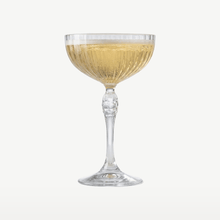
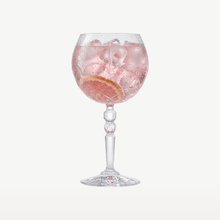
Pour Syrah and Grenache into a generous red wine glass to let their spicy aromas develop. For Cornas and Châteauneuf-du-Pape, choose a tall, large bowl. Full-bodied white wines are suited to an all-purpose wine glass. These are the glasses we recommend ourselves.


Everything you wanted to know about M. Chapoutier
Can't find your question? Read more about wine and food, or get in touch.
To wine and food →What is M. Chapoutier?
Why is there Braille on Chapoutier labels?
Which grapes does Chapoutier use?
How much alcohol is in Chapoutier wine?
What's the difference between Crozes-Hermitage and Hermitage?
What food goes with Chapoutier?
Buy M. Chapoutier
Want the bottle delivered right away? Order M. Chapoutier online at Gall & Gall. Gall & Gall has 13 in stock.
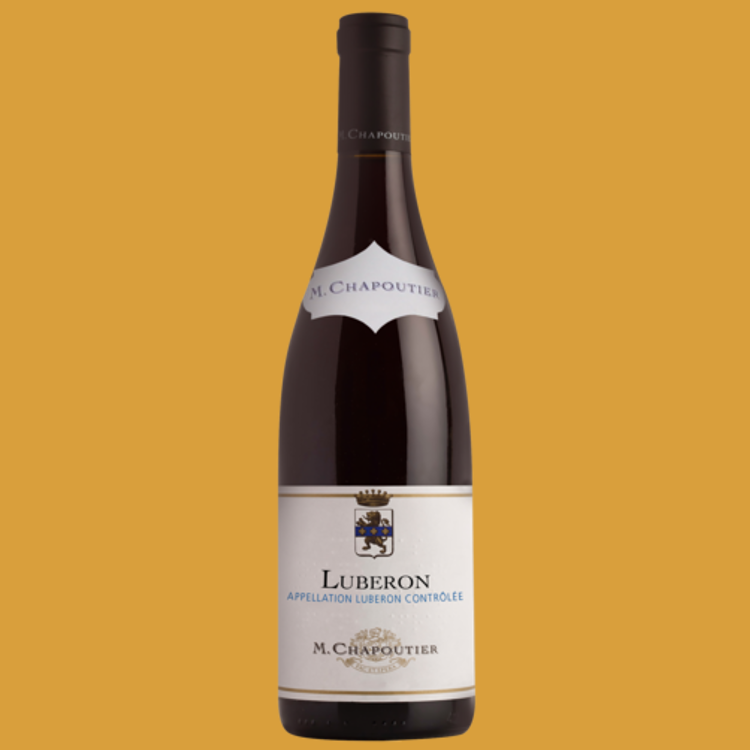
M. Chapoutier Luberon Rouge
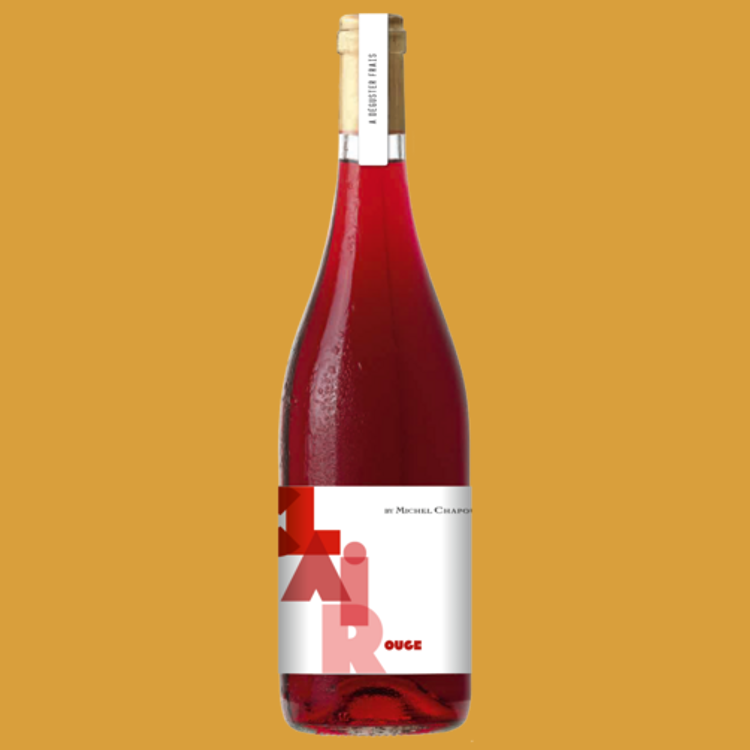
M. Chapoutier Rouge Clair
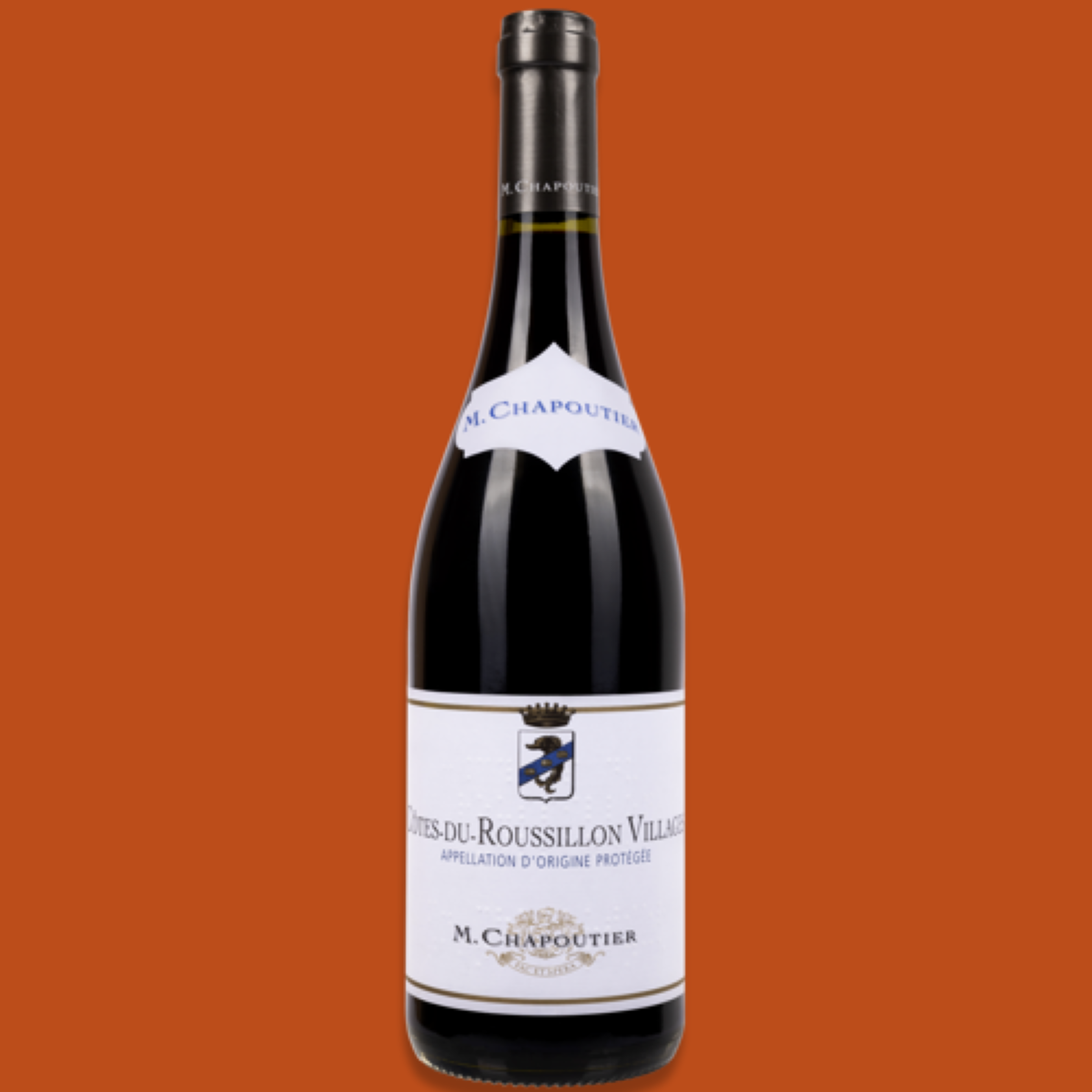
M. Chapoutier Côtes-Du-Roussillon Villages Rouge
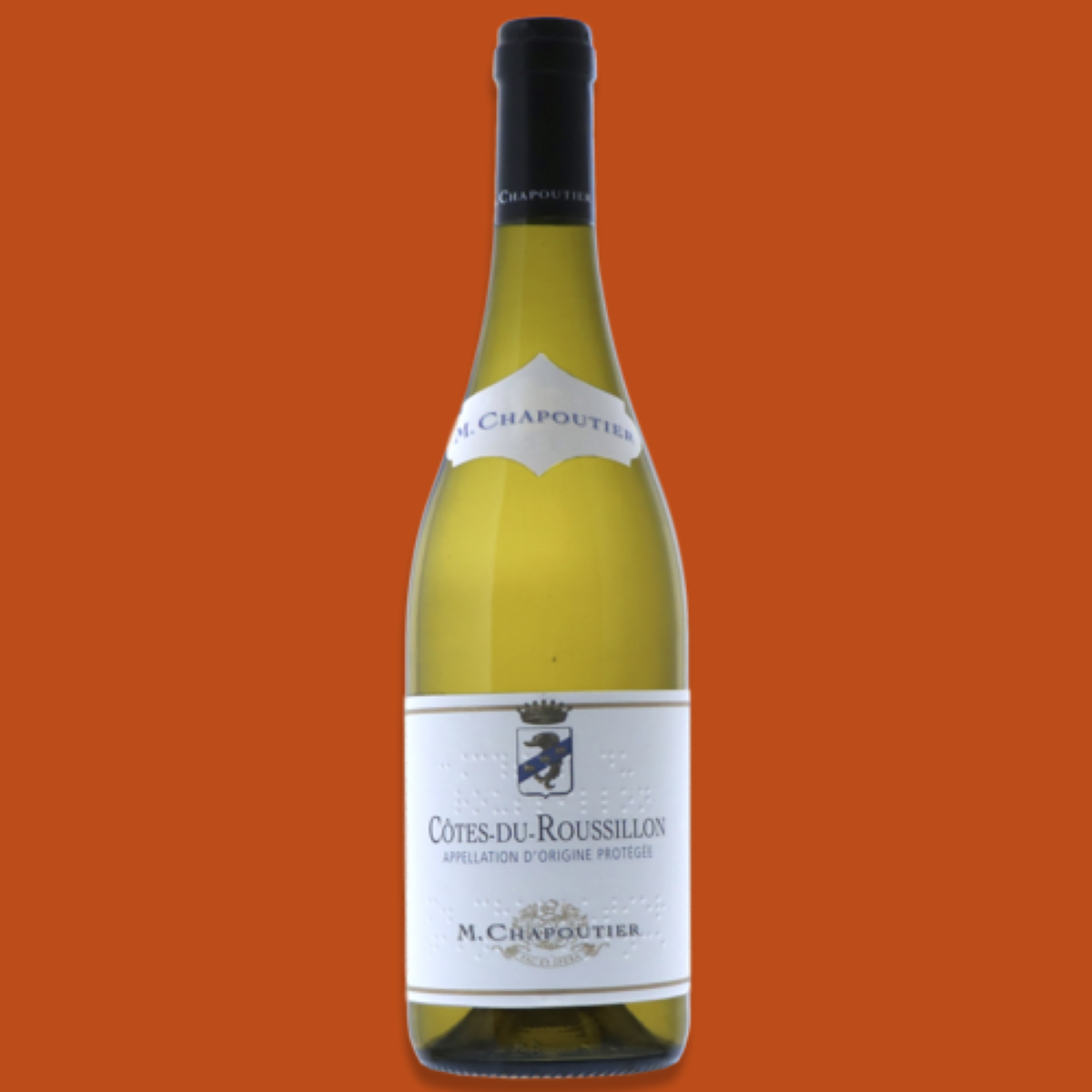
Prices as of November 22, 2026, as provided by Gall & Gall. You can see the current price and stock at Gall & Gall. Glazen.nl receives a small commission if you buy something through these links; you pay nothing extra. No 18, no alcohol.