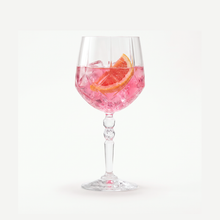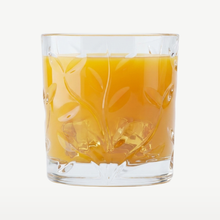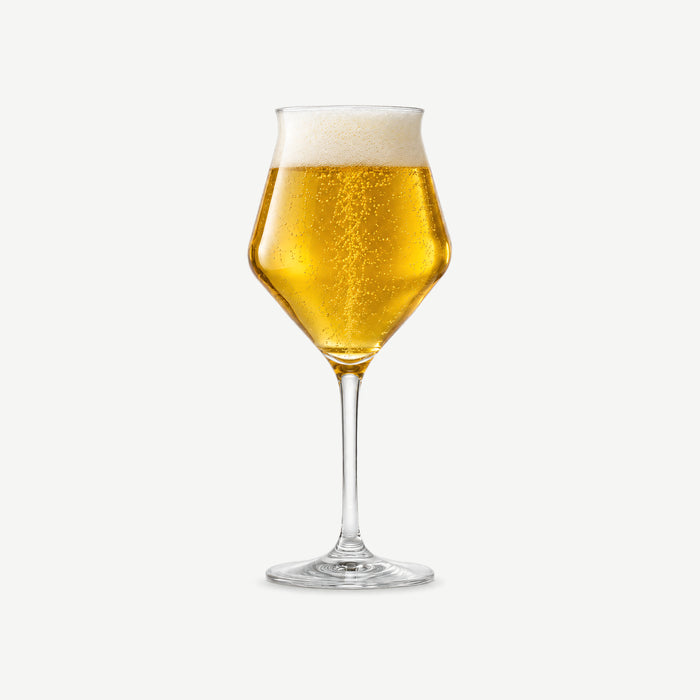
Lehmann Craft Beer Glass 44 Cl - 6 Pieces
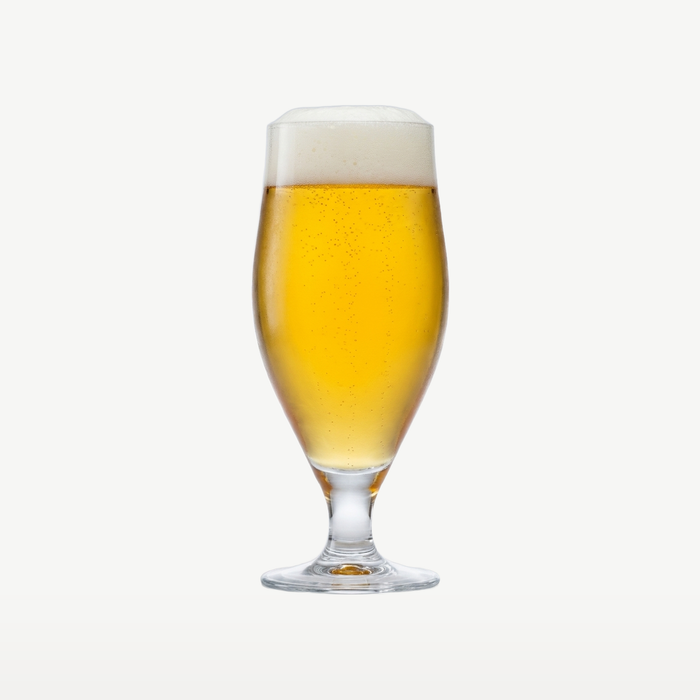
Arcoroc Cervoise Beer Glass 38 Cl - 6 Pieces
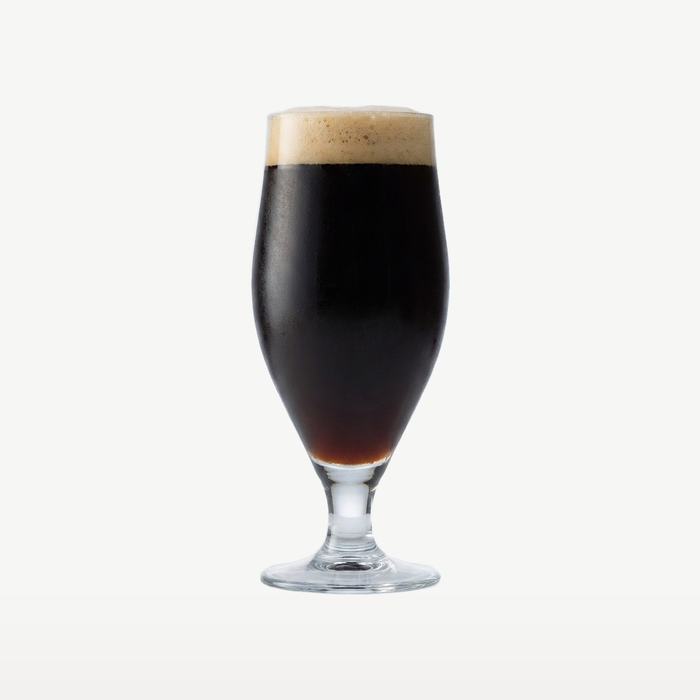
Arcoroc Cervoise Beer Glass 50 Cl - 6 Pieces
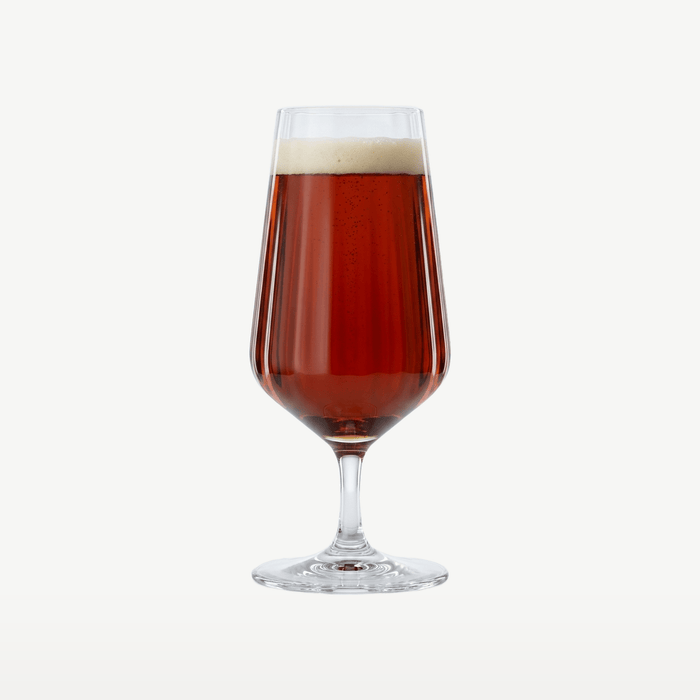
Spiegelau Lifestyle Beer Glass 44 cl - 2 Pieces

How to pour it
a beer in
Rinse the glass with cold water and don’t shake it dry. Grease and soap residue break down the foam, and a wet, cool glass helps the head cling better than a glass taken straight from the cupboard. Don’t dry it with a tea towel, as fibers and grease can be left behind.
Hold the glass at an angle of about forty-five degrees and pour the beer against the inside wall, just above the middle. This allows little air in at first and fills the glass gently. Pour continuously in one motion; stopping and starting again creates a coarser head.
Hold the glass upright when it’s about two-thirds full and pour the rest into the middle of the beer. That last part builds the head. For a highly carbonated style, such as weizen or tripel, wait for the foam to settle, then top it up.
Skim the head with a skimmer if you want a flat edge, or leave it as it is. Wipe the outside of the glass so you can pick it up dry, and serve the beer at the temperature suited to its style: 4 to 6 degrees for pilsners, 10 to 14 for stouts and quadrupels.
What did you think of this guide?
One click on a star is all it takes. If you'd like to add a comment, we'll review it before it appears here.
Save this page
Send this page to your own email so you have the information handy when it's time to pour. You'll also get a €5 discount code for orders over €50, to put toward the right glasses.
The story
Beer has been around for as long as people have grown grain, and its four ingredients have not changed in all that time. What has changed is the level of control. As long as brewers had to rely on yeast from the air, every batch was a gamble. It was not until the nineteenth century that people understood and learned to control how yeast stays on top in some cases and sinks to the bottom in others. From then on, a brewer could make a clear, golden pilsner that tasted the same every time. The old method has not disappeared: in the Zenne Valley near Brussels, wild yeasts still do the work, producing lambic and gueuze.
The right glass
The glass matters when it comes to beer, because its shape and size determine how the head holds up and how much aroma you can smell. A tapered glass that narrows slightly toward the top, like the Willi Becher, retains the head and works well for pilsners and specialty beers. A stemmed tulip gives the aroma and foam more room and suits blond ales, tripels and abbey beers. We do carry a tall, slender wheat beer glass, but it is currently unavailable, so these are the two options shown here. See all models and sizes in our specialty beer glasses and beer mugs.

Arcoroc Willi Becher 33 cl beer glass (12 pieces)

Schott Zwiesel Beer Basic Classico beer tulip 30 cl with fill line (4 pieces)
Both sets together € 54,90.
The right tools
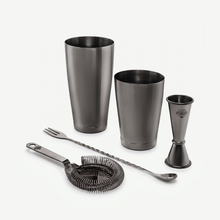
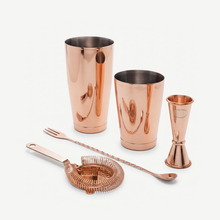
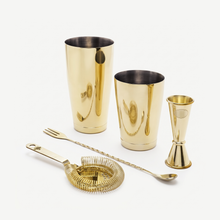
You need little besides the glass for a beer: a bar spoon to stir a beer cocktail gently and a citrus juicer for the lime that goes into a michelada. These are the bar tools we use ourselves; you can find them all in our bar tools & cocktail sets.


Glass set (our pick 01) + 2 bar tools together € 47,85.
Which spirit goes with this?
The beer itself takes center stage here; spirits are just something to have alongside it. The best-known pairing is beer with jenever, and vieux and whisky are also on the drinks menu. Each drinks page tells you the alcohol percentage, what it tastes like, which cocktails it works in, and which glass you need.


Variations & twists
Bottom-fermented beer ferments at low temperatures with yeast that sinks to the bottom: pilsner and bock belong here, and they have a clean, crisp taste. Top-fermented beer ferments at warmer temperatures with yeast that floats to the top, which gives it more fruitiness and spice: tripel, witbier and stout fall into this group. Spontaneous fermentation is the third way, with no added yeast: lambic and gueuze get their acidity from wild yeasts and bacteria, and gueuze is a blend of young and old lambic. Want to read more? See all drinks and brands.
Serving tip
Follow the serving temperature for each style: pilsner 4 to 6 degrees, witbier and weizen 5 to 7, tripel and abbey beer 8 to 12, stout and quadrupel 10 to 14. Beer that’s too cold has hardly any aroma; beer that’s too warm makes the head collapse quickly. So don’t put a strong style in the freezer, and take it out of the fridge fifteen minutes before pouring.
Good to know
What the four ingredients do
Water makes up most of the beer, and its hardness affects the taste. Malt is barley that has been allowed to germinate and then dried or roasted; it provides the starches that are broken down into fermentable sugars, as well as the color and notes ranging from bread to caramel and coffee. Hops add bitterness and aroma and keep the beer stable for longer. Yeast converts the sugars into alcohol and carbon dioxide, while producing the flavor compounds that give each style its character.
Bottom-fermented, top-fermented and spontaneous
Bottom-fermenting yeast works at about 8 to 14 degrees and sinks to the bottom after fermentation. This gives pilsner and bock their clean, crisp profile. Top-fermenting yeast works at about 15 to 24 degrees and floats on top; it produces more esters and spicy notes, giving rise to tripel, witbier and stout. With spontaneous fermentation, the brewer adds no yeast, but lets the wort cool in open vats, where yeasts and bacteria from the environment do the work. This produces lambic and gueuze.
The styles at a glance
Pilsner is bottom-fermented, clear and golden blonde, roughly 4.5 to 5.5 percent alcohol, and should be served at 4 to 6 degrees. Witbier is top-fermented with wheat, cloudy, about 4.5 to 5.5 percent, and served at 5 to 7 degrees. Weizen is in the same range and is also served at 5 to 7 degrees. Bock is bottom-fermented and dark, roughly 6.5 to 7.5 percent. Tripel is top-fermented and blonde, about 8 to 9.5 percent, and served at 8 to 12 degrees. Stout is dark and dry, roughly 4 to 8 percent, and served at 10 to 14 degrees. Quadrupel is the strongest, about 10 to 12 percent, and is also served at 10 to 14 degrees. Lambic and gueuze are around 5 percent and sour rather than sweet.
Why the head matters
The head is made up of proteins from the malt and compounds from the hops that bind to the bubbles. It holds the aroma above the beer instead of letting it escape into the room, and forms a layer between the beer and the air, slowing oxidation. A head that stays put is also a sign that the glass is clean: grease and soap residue make the foam collapse immediately.
Which glass for which style
Pilsner is served in a narrow, straight-sided glass or a contoured glass, in the Netherlands a flute or vaasje. Tripel, Trappist and abbey beer are best served in a tulip glass or a stemmed chalice, which concentrates the aroma and leaves room for the head. Weizen belongs in a tall, slender half-liter glass that flares toward the top. Stout and porter are served in a nonic, a straight-sided glass with a bulge below the rim. Quadrupel and other strong styles are served in a rounded glass, so the serving stays small and the aroma gathers.
How to store beer
Store bottles upright and in the dark. Keeping them upright leaves any yeast sediment at the bottom and ensures that as little beer as possible comes into contact with the crown cap; darkness prevents light from affecting the hop compounds, which changes the flavor. A cool, steady place is better than one that fluctuates between warm and cold. Light styles such as pilsner and witbier are best enjoyed fresh, while strong styles such as quadrupel can be aged for years.
Frequently asked questions
What is beer made from?
Made from water, malt, hops and yeast. Malt is grain, usually barley, that is allowed to germinate and then dried or roasted. Hops provide bitterness and aroma, while yeast converts the sugars in the malt into alcohol and carbon dioxide. Witbier and weizen also contain wheat, in addition to barley malt.
What is the difference between bottom-fermented and top-fermented beer?
The difference lies in the yeast and the temperature. Bottom-fermenting yeast works at cool temperatures, around 8 to 14 degrees, and then settles to the bottom; this gives pilsner and bock their clean profile. Top-fermenting yeast works at warmer temperatures, around 15 to 24 degrees, and floats on top; it produces more fruity and spicy notes, as in tripel, witbier and stout.
At what temperature should you serve beer?
It varies by style. Serve pilsner at 4 to 6 degrees, witbier and weizen at 5 to 7, tripel and abbey beer at 8 to 12, and stout and quadrupel at 10 to 14 degrees. The stronger and darker the style, the less chilled you serve it, because cold masks the aroma.
How much alcohol does beer contain?
It varies greatly by style. Pilsner, witbier and weizen are roughly between 4.5 and 5.5 percent, bock around 6.5 to 7.5 percent, tripel about 8 to 9.5 percent, and quadrupel 10 to 12 percent. Stout ranges from about 4 to 8 percent. The alcohol content is always listed on the label.
Also delicious
Buy beer
Want the bottle delivered straight to your door? Order beer online at Gall & Gall. Gall & Gall has 288 options, 34 of which are on sale.
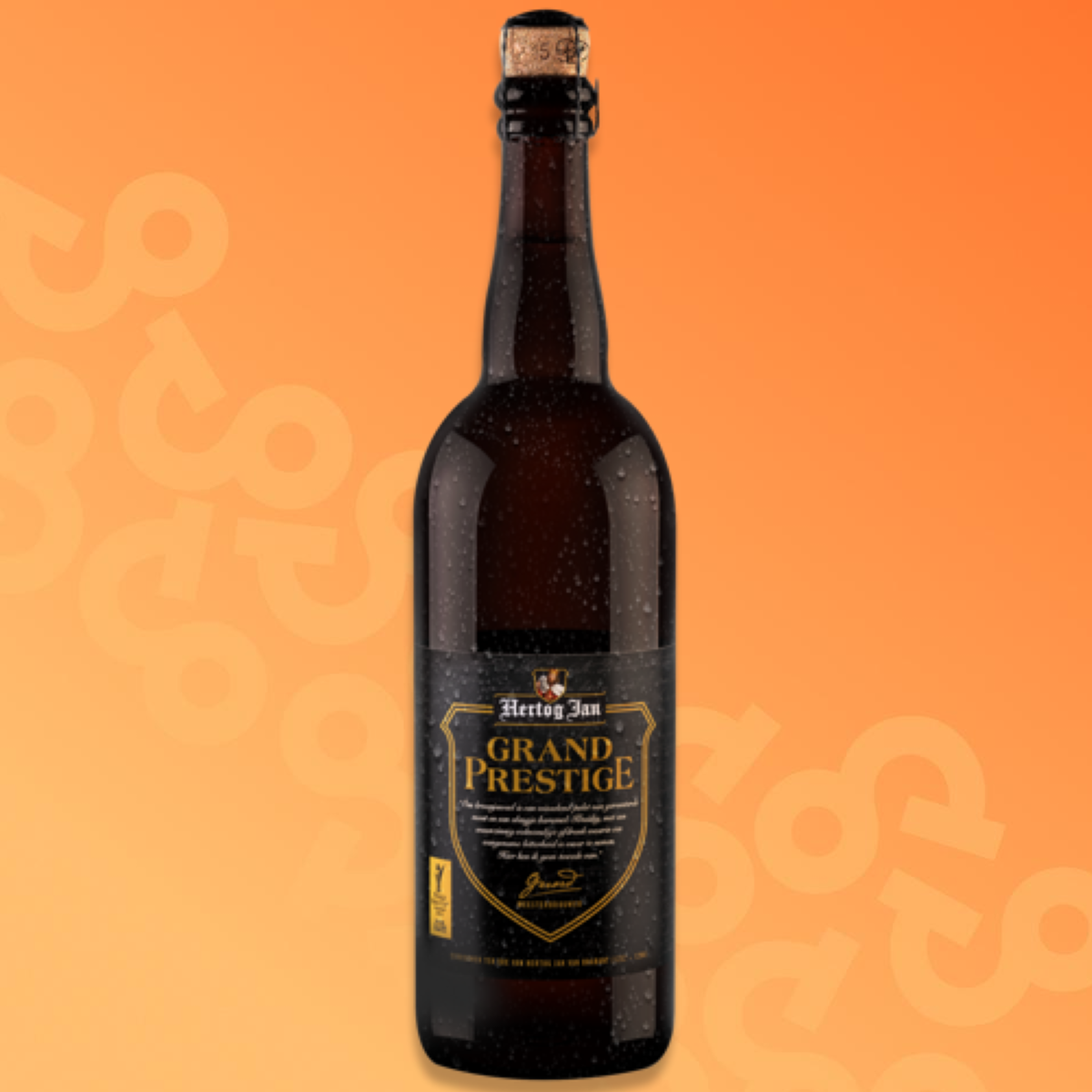
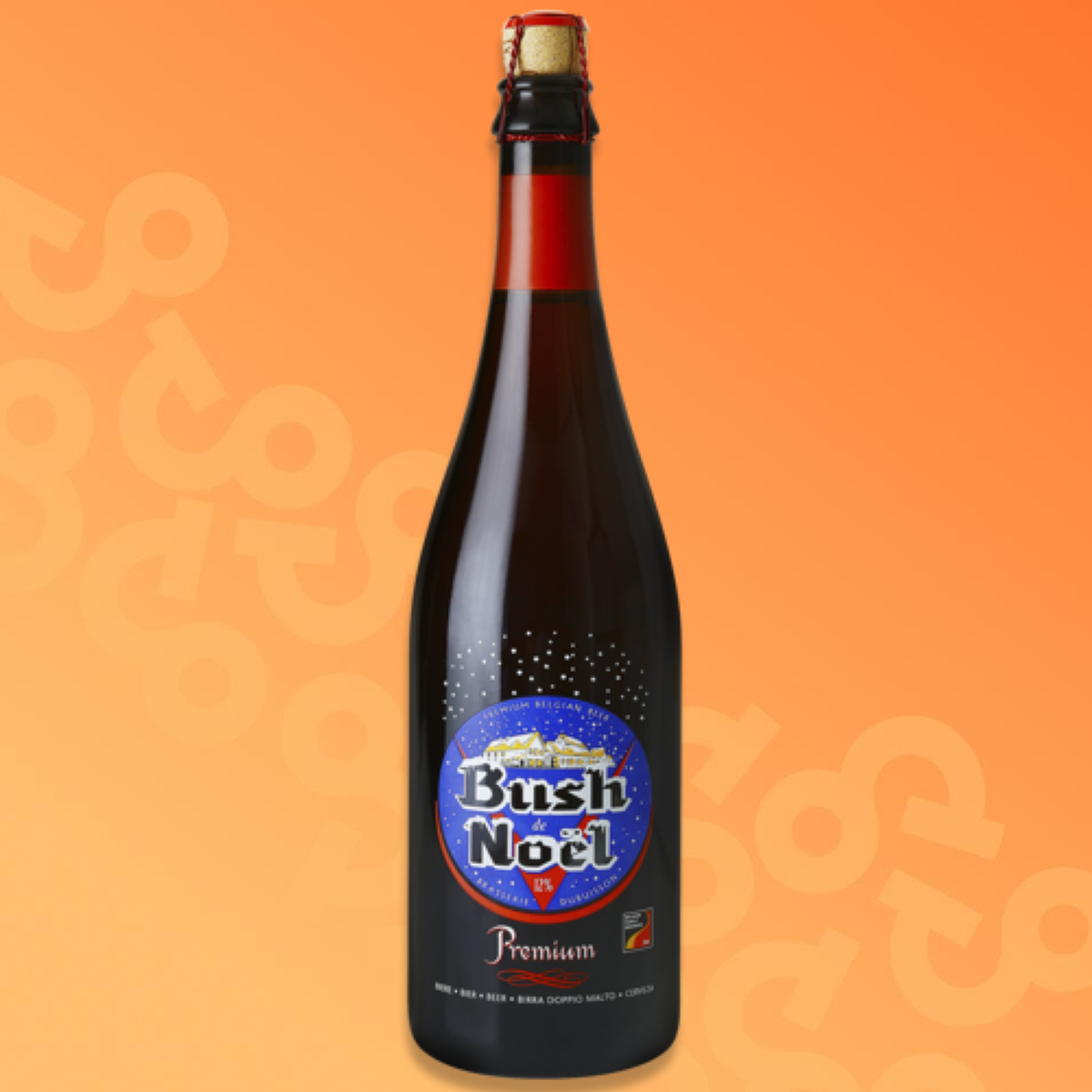
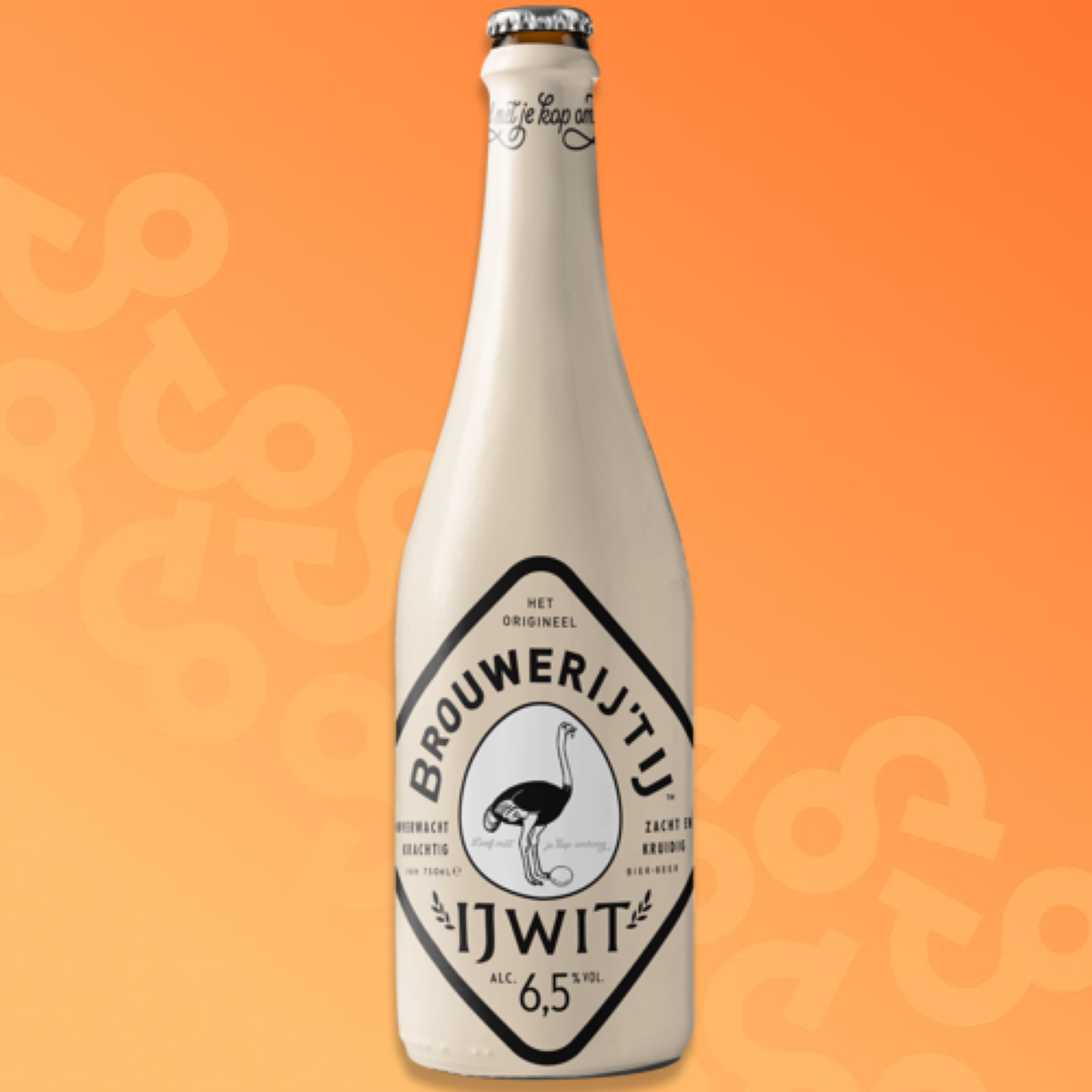
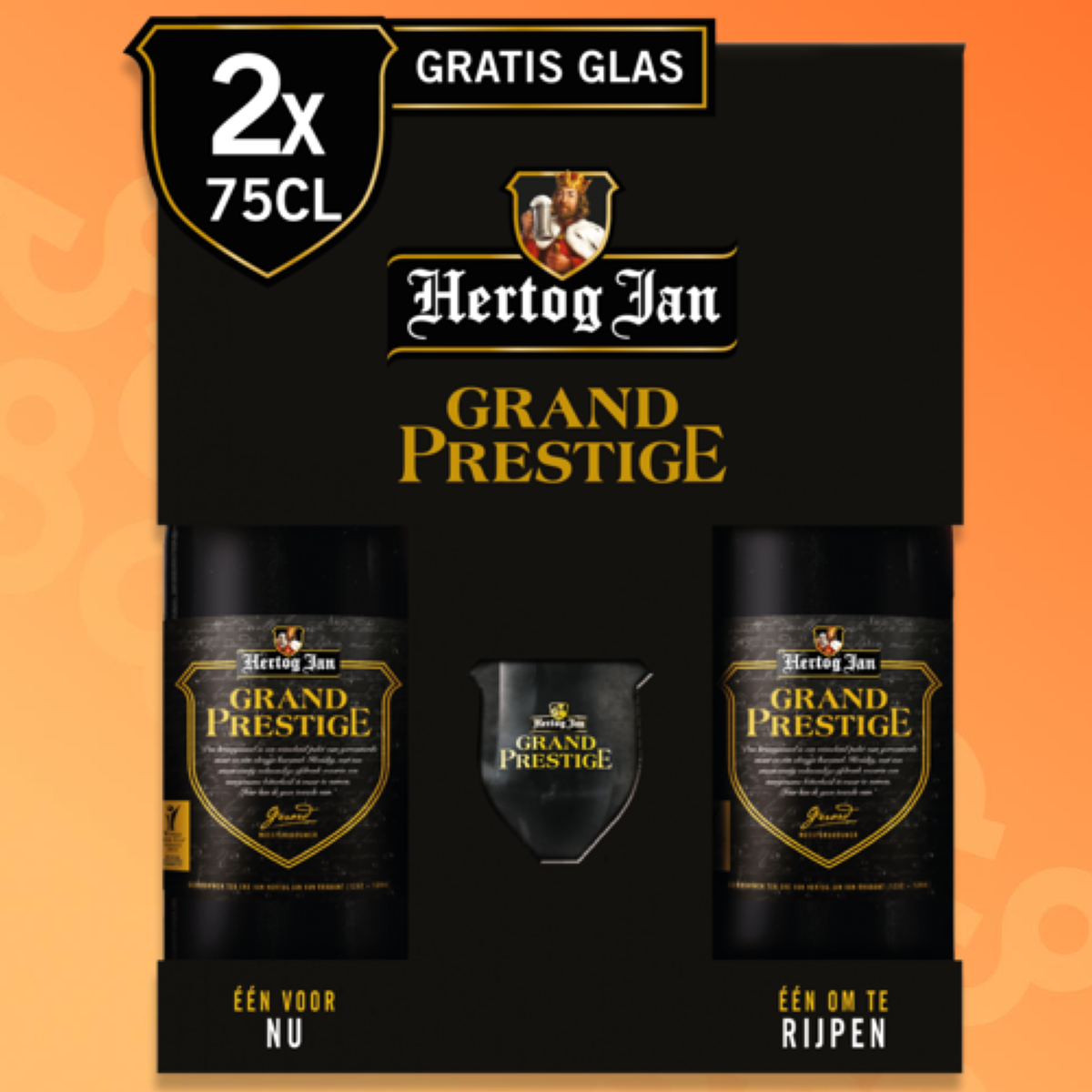
Prices as of November 20, 2026, as provided by Gall & Gall. Check the current price and stock at Gall & Gall. Glazen.nl receives a small commission if you buy something through these links; you pay nothing extra. No one under 18, no alcohol.
Everything for your bar,
at one address
Hospitality-quality glasses, sold in sets. Order today, delivered quickly.
Shop for glasses →