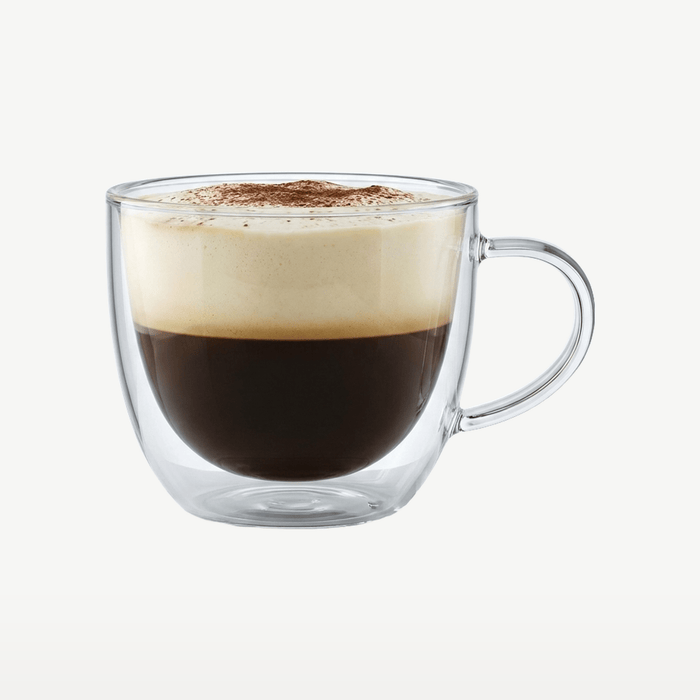
Luigi Bormioli Thermic Glass Cappuccino Glass 24 Cl Sublime Cappuccino - 2 Pieces
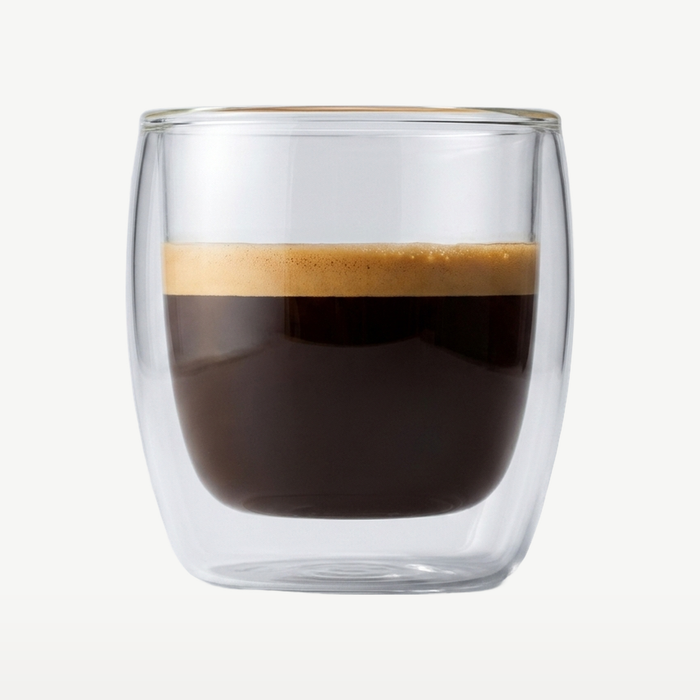
Luigi Bormioli Thermic Glass Coffee Glass 11 Cl Michelangelo - 2 Pieces
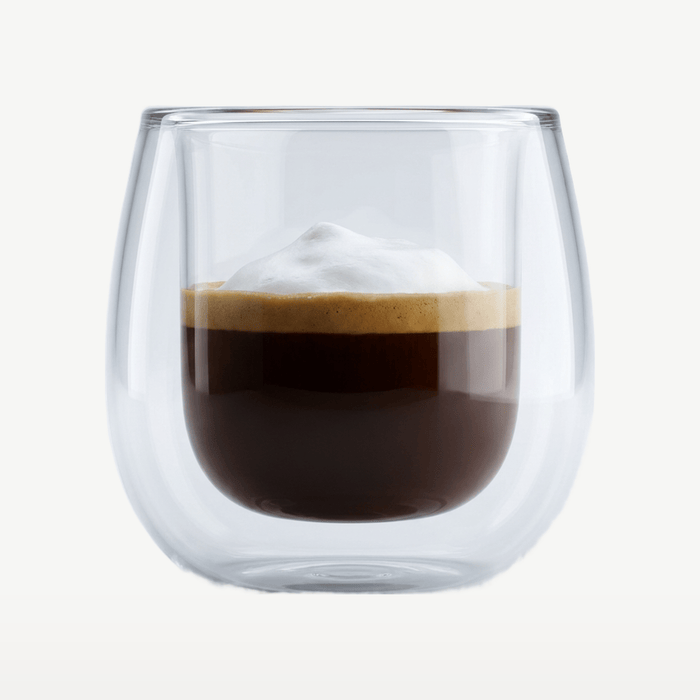
Luigi Bormioli Thermic Glass Coffee Glass 11,5 Cl Ametista - 2 Pieces
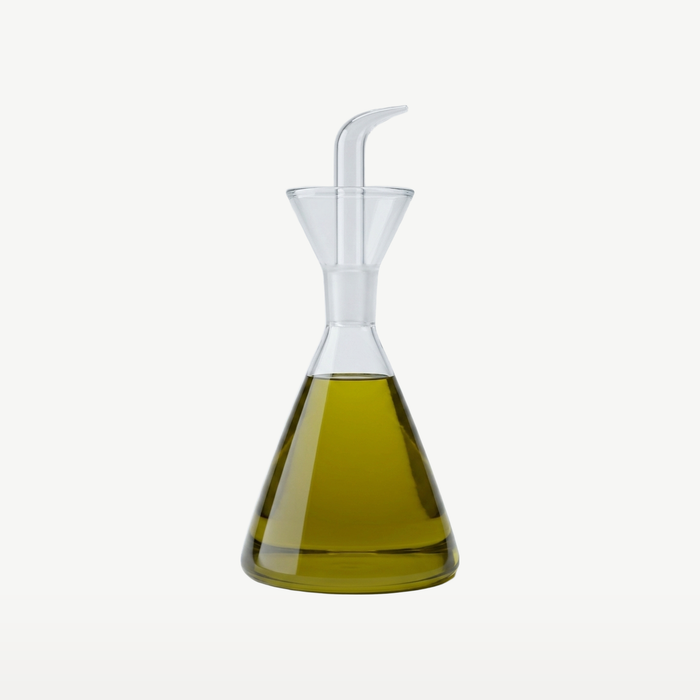
Luigi Bormioli Thermic Glass Conical oil bottle 25 Cl

The matcha latte recipe
for your table
Sift 2 grams of matcha powder into a small bowl or directly into the glass. Matcha clumps naturally, and you won’t be able to whisk those lumps out later, so those ten seconds of sifting make the difference between smooth and grainy.
Pour in 6 cl of water at about eighty degrees, so it’s just below boiling. Above that temperature, the bitter compounds are released, making the tea taste harsh. If your kettle doesn’t have a temperature setting, let boiled water stand for two minutes.
Whisk the matcha until a layer of fine foam forms. With a bamboo whisk, use a quick W-shaped motion, not circles; a milk frother works just as well. This takes about twenty to thirty seconds.
Add 20 cl of milk. Hot: heat the milk to sixty degrees, froth it, and pour the matcha through it. Cold: fill the glass with ice, add the milk, and slowly pour the matcha over it so the green stays layered above the milk.
What did you think of this recipe?
One click on a star is enough. If you'd like to add a comment, we'll review it before it appears here.
Save this recipe
Send the matcha latte recipe to your own email so you have it handy when you make it. You'll also get a €5 discount code for purchases over €50, for the matching glasses.
The story
Matcha is green tea that you don't steep but drink: the whole leaf is ground into powder, so everything in the leaf goes into the glass. That explains the color, the full flavor, and why the amount matters so much. In stores, you'll see two labels. Ceremonial grade comes from the youngest leaves, is light green and milder in flavor, and is meant to be drunk plain with water. Culinary grade is stronger and more bitter, and is made to stand up to milk, sugar, or batter. For a latte, that's not a compromise; it's exactly the point.
The right glass
Matcha has a color you don't want to hide away. In a clear glass, you can see the green, and with the iced version you can also see the layers: first the milk, then the matcha slowly sinking through it. In a closed mug, all of that disappears. Double-walled glass also has a practical advantage: the hot version stays at temperature longer, the outside stays cool enough to hold, and the cold version doesn't get condensation on it. For the iced version, you'll want a taller glass, since the ice goes in first. Find more double-walled options in the double-walled glasses.

Luigi Bormioli Thermic Glass Sakura Tea Glass Set 2 23.5 cl (set of 2)

Duralex Picardie Long Drink Glass 36 cl (set of 6)
Both sets together € 51,90.
The right tools
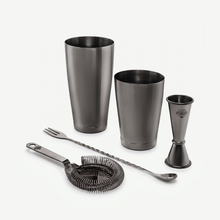
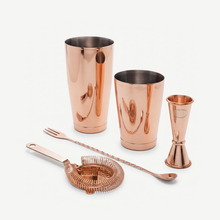
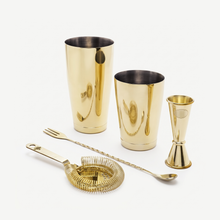
Along with a glass, a matcha latte calls for a fine strainer to sift the powder, a jigger to measure the water, and a bar spoon that reaches the bottom of the glass for the iced version. These are the bar tools we use ourselves; find them all in our bar tools & cocktail sets.


Glass set (our pick 01) + 3 bar tools together € 69,80.
Which splash goes in a matcha latte?
Without alcohol, a matcha latte is simply tea with milk. If you want to add a splash, liqueur works best, as its flavor stays soft and sweet alongside the tea. Popular bottles include Baileys and Malibu. On each drinks page, you can find the alcohol percentage, flavor profile, cocktails it pairs well with, and the glass you need.


Variations & twists
An iced matcha latte uses the same recipe, but the milk goes over the ice, followed by the matcha. Barista-style oat milk froths best among plant-based milks and keeps the green color looking its best; almond milk makes it thinner and nuttier. Half a teaspoon of honey or vanilla syrup takes the edge off without masking the tea. A strawberry matcha latte is simply strawberry purée at the bottom, followed by milk and finally the matcha. Need more inspiration? Browse more than 100 cocktail recipes.
Serving tip
Whisk the matcha just before serving, because the foam settles within a few minutes and the powder then sinks to the bottom. Serve a long spoon so you can stir the layers together yourself in the iced version. For the hot version, rinse the glass with hot water first so the milk doesn’t cool as quickly.
Good to know
Why not use boiling water?
Matcha is finely ground tea leaves, and above eighty degrees, the bitter compounds are released all at once. The tea then tastes sharp and stays that way, no matter how much milk or honey you add afterward. Boil the water, take the kettle off the heat, and wait a minute or two; that should be about right. If your kettle has a temperature setting, set it to 80 degrees.
Ceremonial grade or culinary grade?
Ceremonial grade comes from the youngest leaves, has a milder, smoother taste, and is intended to be drunk plain with water. Culinary grade has a stronger flavor and is made to stand up to milk and sugar. In a latte, the delicate qualities of ceremonial grade get lost under the milk, so culinary grade is the sensible choice. If you drink it plain, you’ll taste the difference.
How much powder should you use?
For one glass, use two grams, about one level teaspoon, with 6 cl of water and 20 cl of milk. Use less and the milk overpowers the tea; above four grams, it becomes bitter and powder settles at the bottom. If you have a kitchen scale, use it the first few times: teaspoons vary considerably, and matcha is lightweight.
Without a bamboo whisk
A bamboo chasen works best, but a battery-powered milk frother does the same job in twenty seconds. A small whisk works too, or you can shake the matcha and water vigorously in a sealed jar. Stirring with a spoon alone won’t work: lumps will remain, no matter how long you keep stirring.
The layers in the iced version
Fill the glass with ice, pour in the milk until it’s about two-thirds full, then slowly pour the whisked matcha over the top. Because matcha is thinner than milk, it stays on top as a green layer for a while. Stir it right away and you’ll have an evenly green glass; it tastes the same, but is less fun to look at.
Frequently asked questions
Why is my matcha latte bitter?
Usually, it’s because the water is too hot. Above 80 degrees, the bitter compounds are released all at once, and you can’t undo that. Too much powder also makes it taste sharp, so stick to around two grams per glass. Culinary grade is also naturally stronger than ceremonial grade, so taste it before sweetening.
What glass do you use for a matcha latte?
A clear glass of around 20 to 30 centiliters, so you can see the color. Double-walled glass keeps the hot version at the right temperature for longer and stays cool enough to hold on the outside. For the iced version, use a taller glass of 35 centiliters or more, as you’ll add the ice first.
How much matcha powder goes into a glass?
Two grams, about one level teaspoon, per 6 cl of water and 20 cl of milk. For a stronger taste, increase it to three grams and keep the milk amount the same. Above four grams, it becomes bitter and powder settles at the bottom.
Can you also make a matcha latte cold?
Yes, and it’s actually the easiest version. First whisk the matcha with 80-degree water, because the powder won’t dissolve in cold milk. Then fill a tall glass with ice, pour in the milk, and slowly pour the matcha over it.
Also delicious
Everything for your bar,
to one address
Hospitality-grade glasses, sold in sets. Order today for fast delivery.
Shop the glasses →