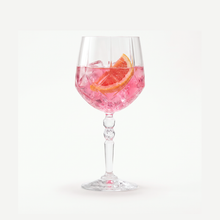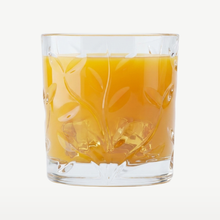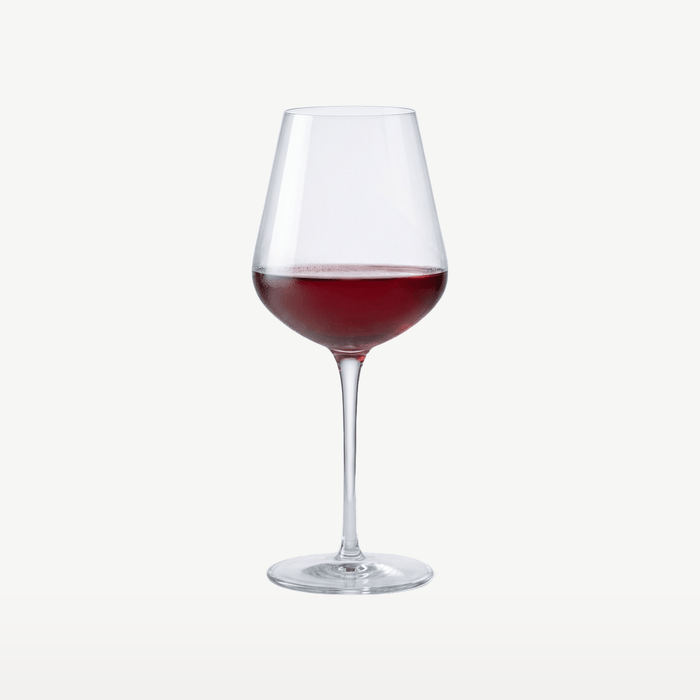
Bormioli Rocco Uno Inalto Wine Glass 47 Cl - 6 Pieces
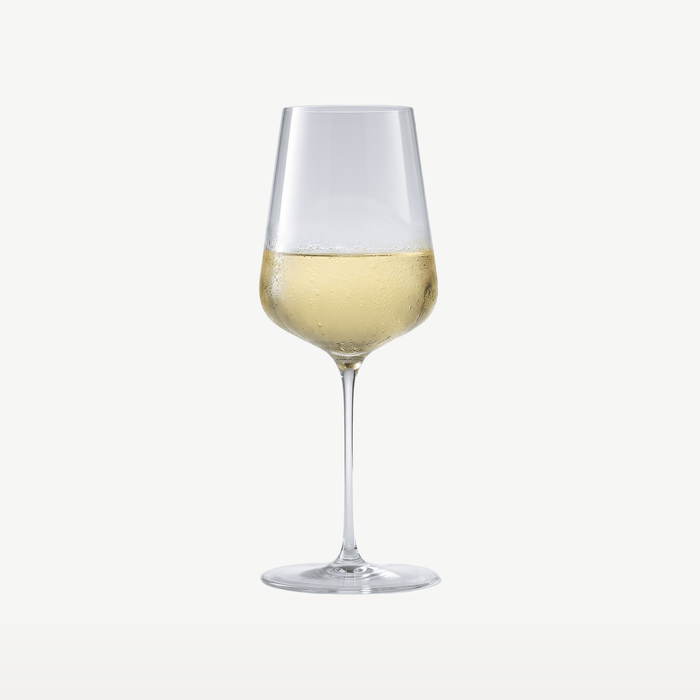
Spiegelau Definition Wine Glass 55 Cl - 6 Pieces
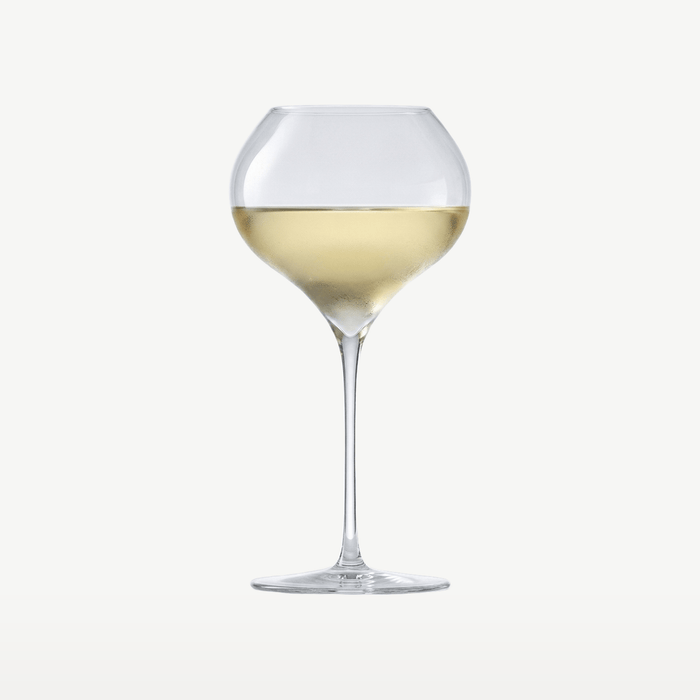
Lehmann Grand Blanc Wine Glass 54 Cl - 6 Pieces
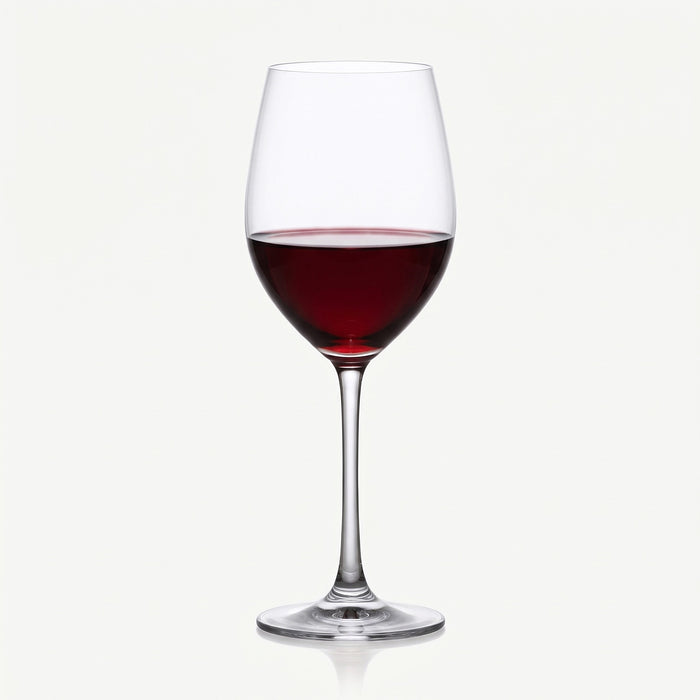
Spiegelau Vino Grande Wine Glass 42 cl - 2 Pieces

How to pour it
a pinot noir in
Put the bottle in the refrigerator for about an hour, so the wine reaches 14 to 16 degrees. That's cooler than you're used to serving red wine, but it works for pinot noir: at room temperature, the alcohol will dominate and the fresh fruit will recede into the background.
Cut around the capsule below the ridge on the neck, place the corkscrew in the center of the cork, and turn it straight down. A long spiral also grips the longer corks used in better bottles, without breaking the cork halfway through.
Decanting usually isn't necessary. Pinot noir has little tannin and a delicate aroma that can fade if exposed to too much air. If the wine is young and closed, pour a glass and leave the rest in the bottle; after fifteen minutes, you'll notice whether it's opening up. Carefully decant an old bottle with sediment.
Pour up to about a third of the glass. The empty space above it captures the aroma and directs it toward your nose through the tapered rim, and keeping the glass only partly full helps the wine stay cool. It's better to top it up with a little more often.
What did you think of this explanation?
One click on a star is enough. If you'd like to add a comment, we'll review it before it appears here.
Save this page
Send this page to your own email so you have the information handy when it's time to pour. You'll also get a € 5 discount code for purchases over € 50, for the glasses to go with it.
The story
Pinot noir is associated with Burgundy, where red wine is almost always made from this one grape. It has a notorious reputation among winegrowers: the skin is thin, the bunches are tightly packed, and the vine buds early, making it vulnerable to night frost, rot, and mildew. It also needs a cool climate, because in the heat it loses exactly the freshness it depends on. The result is a low yield and a lot of risk per hectare, which is the main reason for the price. Outside Burgundy, it grows well in Germany, where it is called Spätburgunder, in New Zealand, and in Oregon.
The right glass
Pinot noir calls for a large Burgundy bowl, and with this grape, that's no small detail. The wide bowl gives the wine plenty of surface area to breathe, while the strongly tapered rim concentrates the delicate aromas of cherry, strawberry, and violet instead of letting them dissipate. In a narrow glass, most of those aromas stay in the bottle. See the sizes in the red wine glasses or the large wine glasses.

Schott Zwiesel Ivento Burgundy Glass 78 cl (6 pieces)

Schott Zwiesel Banquet Burgundy Glass 63 cl (6 pieces)
Both sets together € 91,20.
The right tools
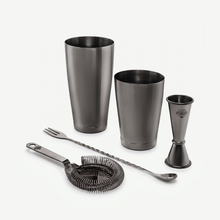
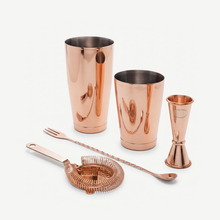
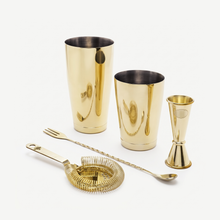
For a pinot noir, besides a glass, you mainly need a corkscrew with a long spiral, and for an old bottle with sediment, a decanter to separate the wine from its sediment. The bar tools below are for when the wine goes into a sangria or wine cocktail: a bar spoon for stirring and a jigger for measuring. These are the bar tools we use ourselves; you can find everything in our bar tools & cocktail sets.


Glass set (our pick 01) + 2 bar tools for € 87,40.
Which wine goes with this?
Pinot Noir rarely takes center stage on its own. These are the wines that come before or after it, from the Burgundy where the grape comes from to the Champagne where it is pressed without its skins. On each drinks page, you can find the alcohol percentage, what it tastes like, which cocktails it goes with, and which glass you need.


Variations & twists
The same grape goes by different names elsewhere. In Germany, the label says Spätburgunder; in Austria and Switzerland, Blauburgunder; in Italy, Pinot Nero. The style also varies: Burgundy is usually restrained and earthy, New Zealand Pinot from Central Otago is fuller and riper in fruit, and Oregon falls somewhere in between. Pinot Noir is also one of the grapes used to make Champagne, where it is pressed without its skins; if the bottle says blanc de noirs, the Champagne is made exclusively from dark-skinned grapes. Want to read more? Browse all drinks and brands.
Serving tip
Serve at 14 to 16 degrees; in a warm room, feel free to put the bottle back in the fridge for a bit. Thanks to its low tannins and high acidity, Pinot Noir pairs well with poultry, duck, veal, and mushrooms, and it’s one of the few red wines that holds its own with grilled salmon or tuna. Drink a young, simple bottle while it’s young; a good Burgundy can age for years.
Good to know
Why good Pinot Noir is expensive
It’s almost all in the vineyard. The skin is thin, so the grapes rot quickly in the rain; the clusters are tightly packed, allowing mold to take hold easily; and the vine buds early, so a late frost can destroy part of the harvest. On top of that, the best plots in Burgundy are small and rarely change hands. Few bottles, lots of risk, and plenty of manual labor: that’s the equation.
How it smells when young and as it ages
Young pinot noir smells of red fruit: strawberry, raspberry and cherry, often with a floral note that people describe as violet. As the bottle ages, those aromas give way to forest floor, mushroom, wet leaves and leather. That’s not a flaw, but exactly what enthusiasts look for in an aged bottle. How quickly this change happens varies greatly from wine to wine and depending on how it is stored.
Why it is served cooler than other red wines
Pinot noir has little tannin and plenty of acidity, and that combination calls for cool temperatures. At room temperature, the alcohol comes to the fore and the wine becomes broad and flabby; a few degrees cooler keeps the fruit bright and the acidity refreshing. That’s why it’s served at 14 to 16 degrees, compared with 16 to 18 degrees for a full-bodied red wine.
Where it does well outside Burgundy
Anywhere that stays cool enough. In Germany, spätburgunder is the most important grape after riesling, with Baden, the Ahr and the Pfalz as the best-known regions. New Zealand makes rich, fruit-forward pinot, especially in Central Otago on the South Island. In the United States, Oregon is the classic pinot region. The grape is also grown in Alsace, Switzerland and northern Italy.
Champagne’s red grape
Champagne is made from chardonnay, pinot noir and pinot meunier. Pinot noir is the red grape that is pressed as a white wine: if the juice is separated from the skins right away, it stays pale. It gives champagne body and structure, while chardonnay brings freshness. Blanc de noirs means that it is made only from red grapes; blanc de blancs means it is made only from chardonnay.
How much alcohol it contains
Pinot noir usually contains roughly 12 to 14 percent alcohol. Cool regions produce lighter wines, while warmer years and warmer regions produce fuller ones. The percentage is always shown on the label.
Frequently asked questions
Where does pinot noir come from?
From Burgundy, France. Red Burgundy is almost always pinot noir. Elsewhere, the grape is grown in Germany, where it is called spätburgunder, in New Zealand, with Central Otago its best-known region, in Oregon, in Alsace and in Switzerland. It is also widely planted in Champagne.
What does pinot noir taste like?
Pale in color, low in tannin and fresh in acidity. When young, it smells and tastes of strawberry, cherry and violet; with age, notes of forest floor, mushroom and leather emerge. This makes it feel lighter than most red wines, but it still has plenty of length.
What temperature should you serve pinot noir at, and what glass should you use?
Between 14 and 16 degrees, in a large Burgundy glass. That temperature is cooler than you might be used to for red wine and keeps the fruit bright. The wide bowl with a tapered rim gives the wine room to breathe and concentrates its delicate aromas.
Why is Pinot Noir so expensive?
Because it's difficult to grow. Its thin skin makes it susceptible to rot, its tight clusters to mold, and its early budding to frost. It also needs a cool climate. This results in small, unpredictable harvests, and in Burgundy there's also a shortage of good vineyard plots.
Also delicious
Buy Pinot noir
Want the bottle delivered straight to your door? Order Pinot noir online at Gall & Gall. Gall & Gall has 57, including 4 on sale.
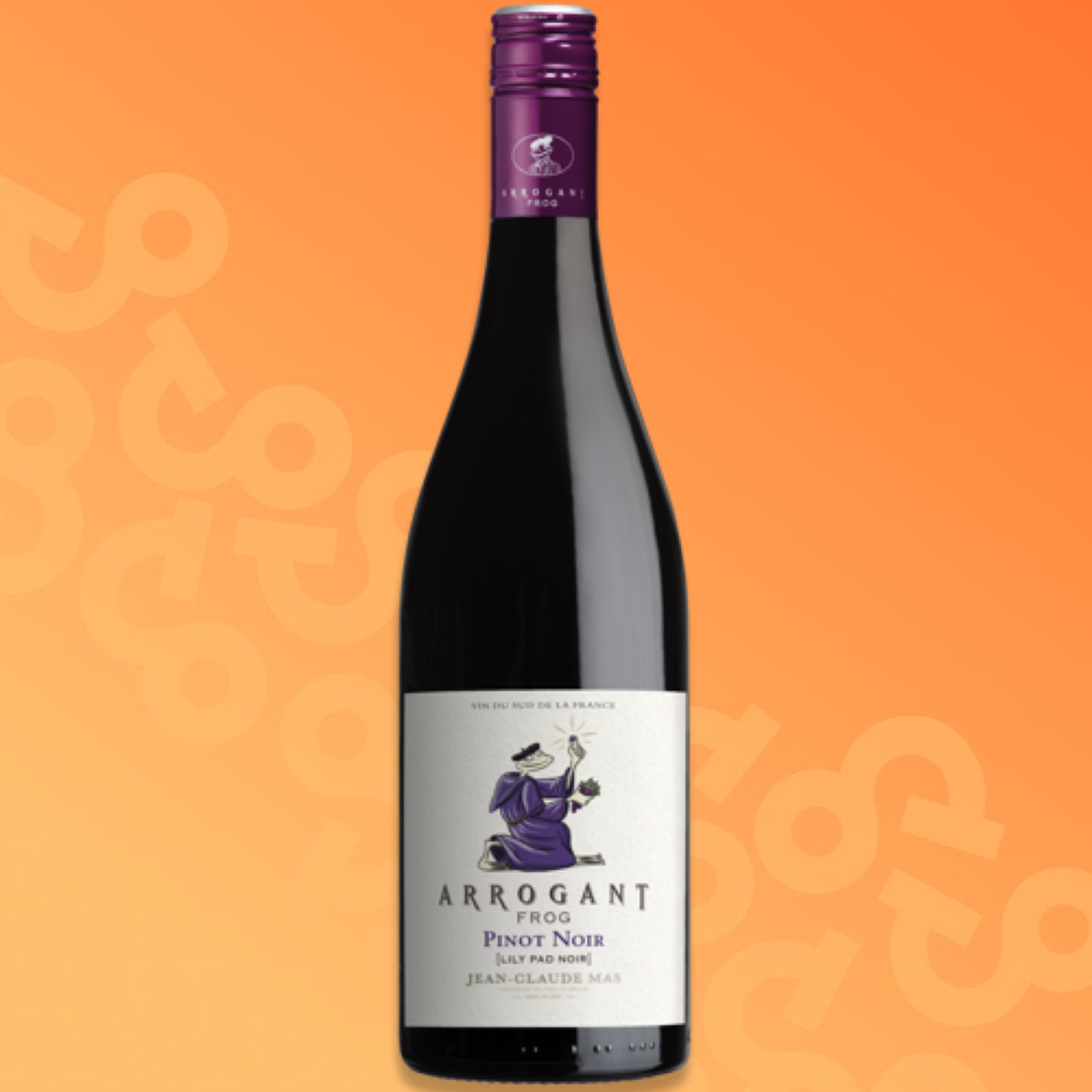
Arrogant Frog Pinot Noir
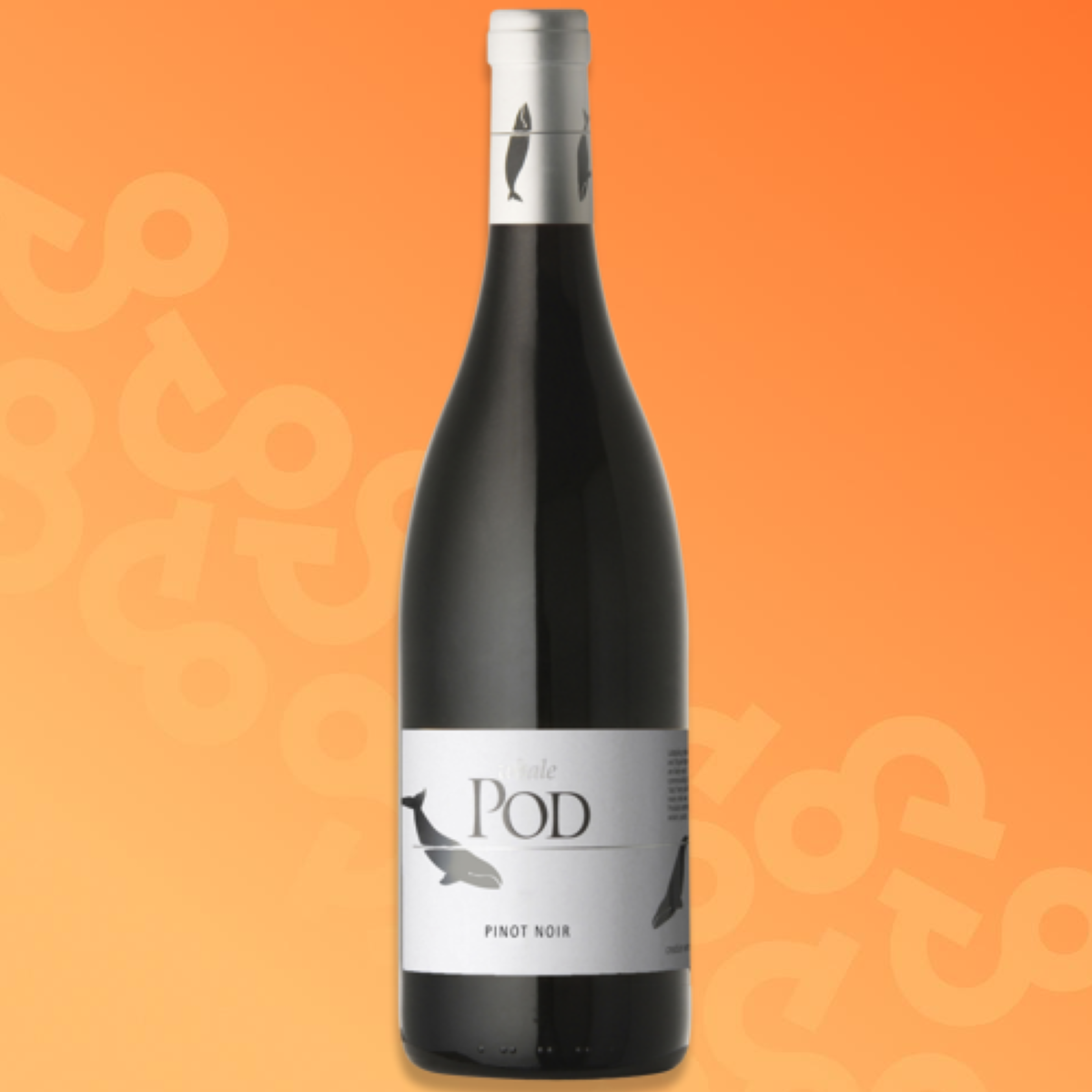
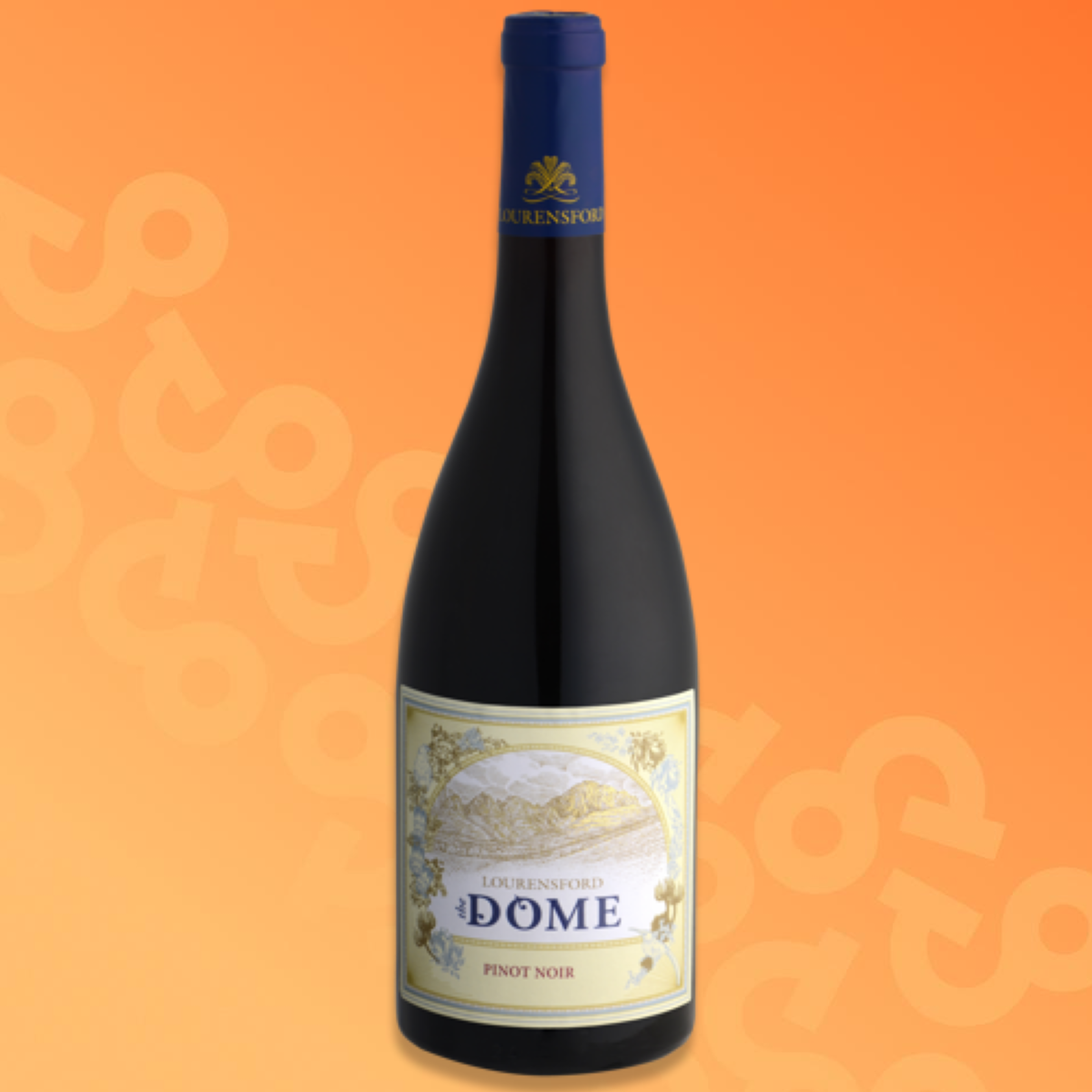
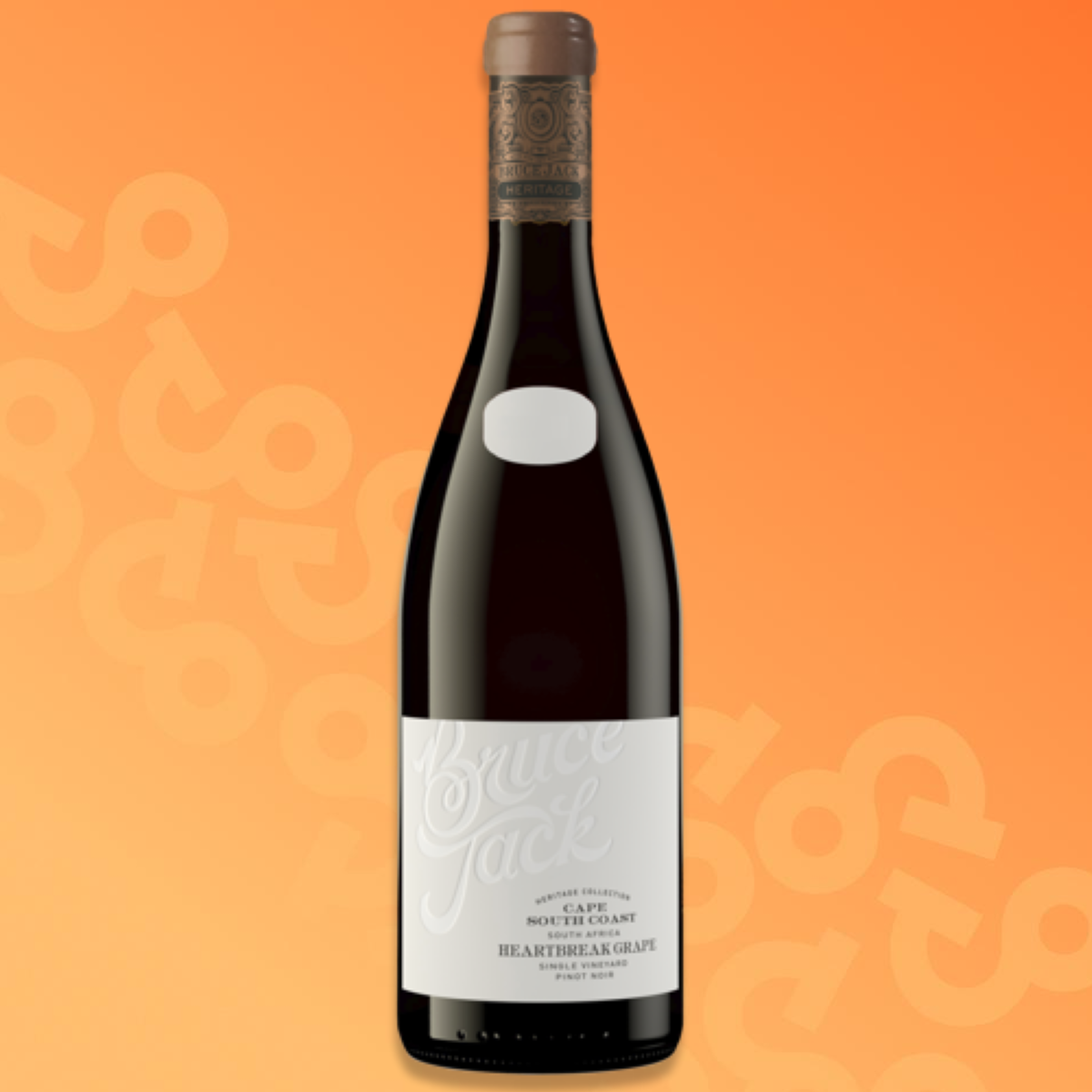
Prices as of November 20, 2026, as provided by Gall & Gall. You can see the current price and stock at Gall & Gall. Glazen.nl receives a small commission if you buy something through these links; it costs you nothing extra. No one under 18, no alcohol.
Everything for your bar,
at one address
Hospitality-quality glasses, sold in sets. Order today, delivered quickly.
Shop glassware →