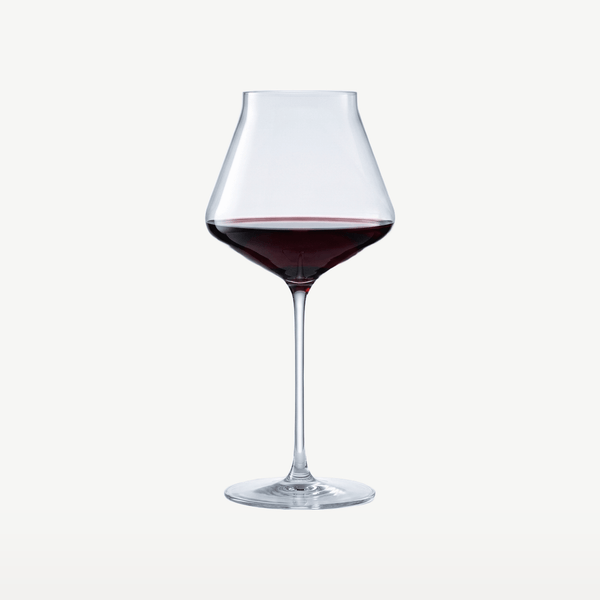
Chef & Sommelier Reveal Up Intense Wine Glass 55 Cl - 6 Pieces
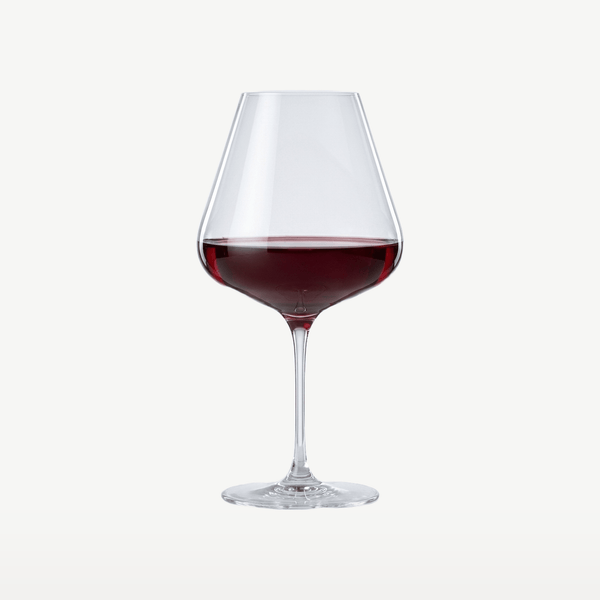
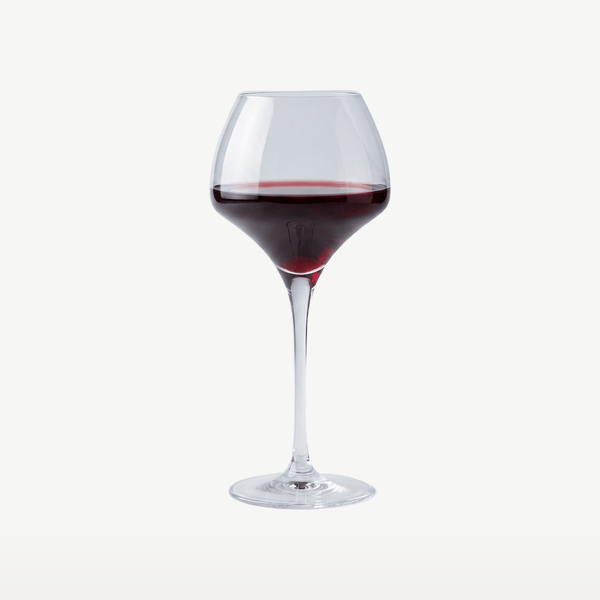
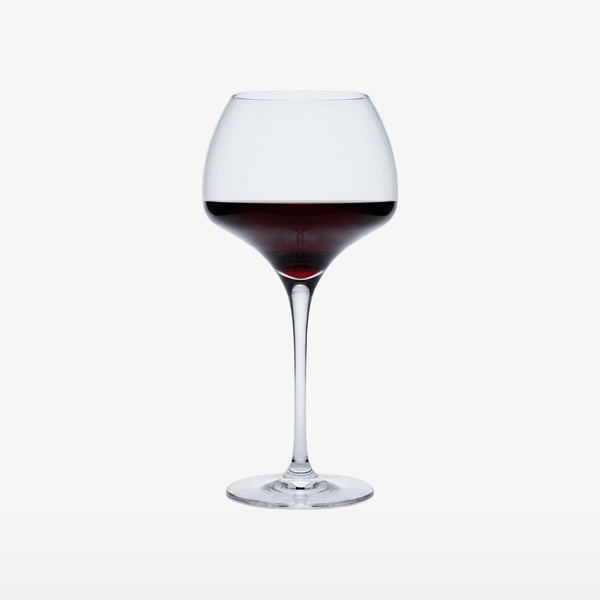
Chef & Sommelier Open Up Tannic Wine Glass 55 Cl - 6 Pieces
Portuguese wine
Portuguese wine is more than just port. The Douro, the valley port comes from, also produces robust dry red wine. In the green north, they make fresh vinho verde, while in the warm south, they produce soft, full-bodied wine from the Alentejo. Almost all of it is made from grapes found only in Portugal.

Portuguese wine, by style and grape
Two Portuguese wines are so well known that they have their own pages: port and vinho verde. You can also learn more about two grapes that also grow in Spain, under a different name.

Port
Portugal’s most famous wine: sweet, fortified, and made from the same grapes as dry Douro wines.
About port →
Vinho Verde
Young, fresh wine from the green northwest, often low in alcohol with a slight sparkle.
About vinho verde →
Albariño
The aromatic white grape grown on both sides of the border with Spain, with notes of peach and citrus.
About albariño →
Tempranillo
Spain’s main grape is called tinta roriz in the Douro and is used in many ports and dry red wines.
About tempranillo →A small country with many native grapes
Portugal is not large, but it has an enormous wealth of native grape varieties. Many of them grow nowhere else. As a result, Portuguese wine tastes different from wine made from cabernet or chardonnay. The Douro, in the north, is the best-known region. Along the river, the vines grow on steep slate terraces in a hot, dry valley. It is one of the oldest demarcated wine regions in the world. Port is made here, the fortified sweet wine that was traditionally transported to Vila Nova de Gaia near Porto to mature. The wineries also make powerful dry red wines from the same grapes, such as touriga nacional, touriga franca and tinta roriz.
North of Porto lies the green, rainy Minho, the home of vinho verde. Verde means young here, not green: the wine is drunk young and is light and fresh, sometimes with a slight fizz. Grapes include alvarinho, loureiro and avesso. To the south lies the Alentejo, a warm, flat region with cork oak trees. It produces soft, full-bodied red wine and juicy white wine. Portugal is also the world's largest cork producer. Other well-known regions include Dão, Bairrada and Lisboa. And off the coast lies the island of Madeira, with its own fortified wine.
In brief
Seven bottles, from Douro red to vinho verde
First, two dry red wines from the Douro, made from port grapes, and a smooth red from the Alentejo. Then three fresh white wines from the north and a white blend of Portuguese grapes.
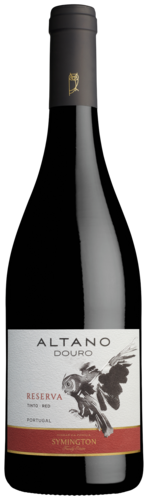
Altano Douro Reserva
From the Symington port family: touriga nacional with some touriga franca, aged in oak. Black and red fruit, roses, vanilla and peppery tannins.

Quinta do Ataíde Tinto Vinha do Arco
Red wine made only from touriga nacional, Portugal's best-known grape, from organic vineyards north of the Douro. Full-bodied and fruity.
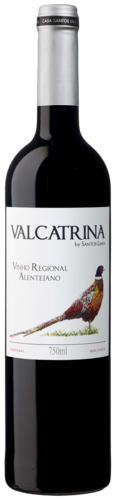
Valcatrina Tinto
Juicy, full-bodied red wine from the warm Alentejo. Plenty of dark fruit, soft tannins, and mild spice.

Espigueiro Vinho Verde
A classic, light Vinho Verde. Green apple and lime, fresh and thirst-quenching, with low alcohol.

Casa de Compostela Alvarinho
Alvarinho from northern Portugal, the grape called Albariño in Spain. Juicy, with white peach, pear, and lemon.

Curvos Loureiro
Loureiro is a native grape from Vinho Verde. It produces aromatic, floral white wine.
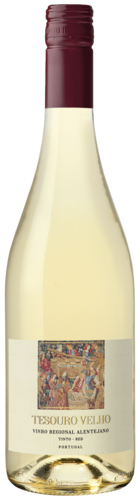
Tesouro Velho Branco
White wine made from three Portuguese grapes: Arinto, Verdelho, and Antão Vaz. Ripe tropical fruit, citrus, and blossom; full-bodied yet fresh.
What’s the difference between ruby, tawny, and vintage port, and how long can you keep an open bottle? Find out on our port page.
From dark and spicy to light and fresh
Dark fruit & flowers
Red wine from the Douro smells of blackberries, plums, and black cherries, with a floral hint of violets or roses. Vinho Verde smells of green apple, citrus, and blossom.
Full-bodied or sparkling
Red wine from the Douro is full-bodied, with firm tannins and fresh acidity. Wine from the Alentejo is softer and rounder. Vinho Verde is light, fresh, and sometimes slightly fizzy.
Spicy or crisp
A Douro red finishes with spicy and slightly peppery notes. White wine from the north finishes crisp and fresh, with a salty, mineral note.
Flavor profile of a typical dry red wine from the Douro. Vinho Verde scores lower in body and higher in freshness. Port is a different story: sweet and full-bodied.
How to serve Portuguese wine
Vinho Verde ice-cold, Douro red just below room temperature, and port in a small glass.
Red wine at 16 to 18 degrees
Red wine from the Douro and Alentejo is often 14% alcohol. Around 16 degrees, it stays fresh. A young, full-bodied Douro becomes softer if you decant it half an hour beforehand.
More about wine temperature →Port in a small glass
Port has a higher alcohol content and is sweet, so you pour a small amount. Ruby port can be served slightly chilled, while tawny should be a little cooler. Carefully decant old vintage port with sediment first.
More about port →Extra-cold Vinho Verde
Serve Vinho Verde at 6 to 8 degrees, just like a crisp Alvarinho. This keeps the wine light and sparkling. A fuller-bodied white wine from Alentejo can be served a little warmer, around 10 degrees.
More about Vinho Verde →Portuguese wine at the table
Portuguese cuisine revolves around fish, grilled meat, and hearty stews. The country’s wines are a perfect match: fresh Vinho Verde with fish, robust reds with meat, and port with cheese and dessert.
Sardines and seafood
Grilled sardines, mussels, shrimp, oysters, and a fresh salad. The light, briny freshness is perfect with fish from the grill.
Bacalhau and chicken
Salt cod, bacalhau, prepared in all kinds of ways, piri-piri chicken, and oven-baked fish.
Grilled meat and stew
Lamb, grilled beef, chorizo, stew, and game. The robust Douro wines pair well with spicy and fatty meats.
Cheese and dessert
Ruby port with blue cheese and chocolate, tawny with nut tart and pastel de nata.
The right glass for Portuguese wine
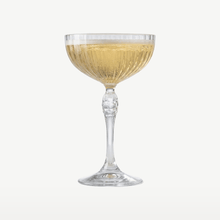
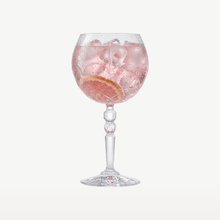
Pour Douro red wine into a large red wine glass to let the fruit and floral aromas develop. Drink Vinho Verde and Alvarinho from a smaller wine glass, and port from a small glass. These are the glasses we recommend ourselves.


Everything you wanted to know about Portuguese wine
Can’t find your question? Read more about wine and food, or get in touch.
To wine and food →What is Portuguese wine?
Is Portuguese red wine the same as port?
What is Vinho Verde?
What is Touriga Nacional?
How much alcohol is in Portuguese wine?
What to eat with Portuguese wine?
Buy Portuguese wine
Want the bottle delivered straight to your door? Order Portuguese wine online at Gall & Gall. Gall & Gall has 30, 2 of which are on sale.
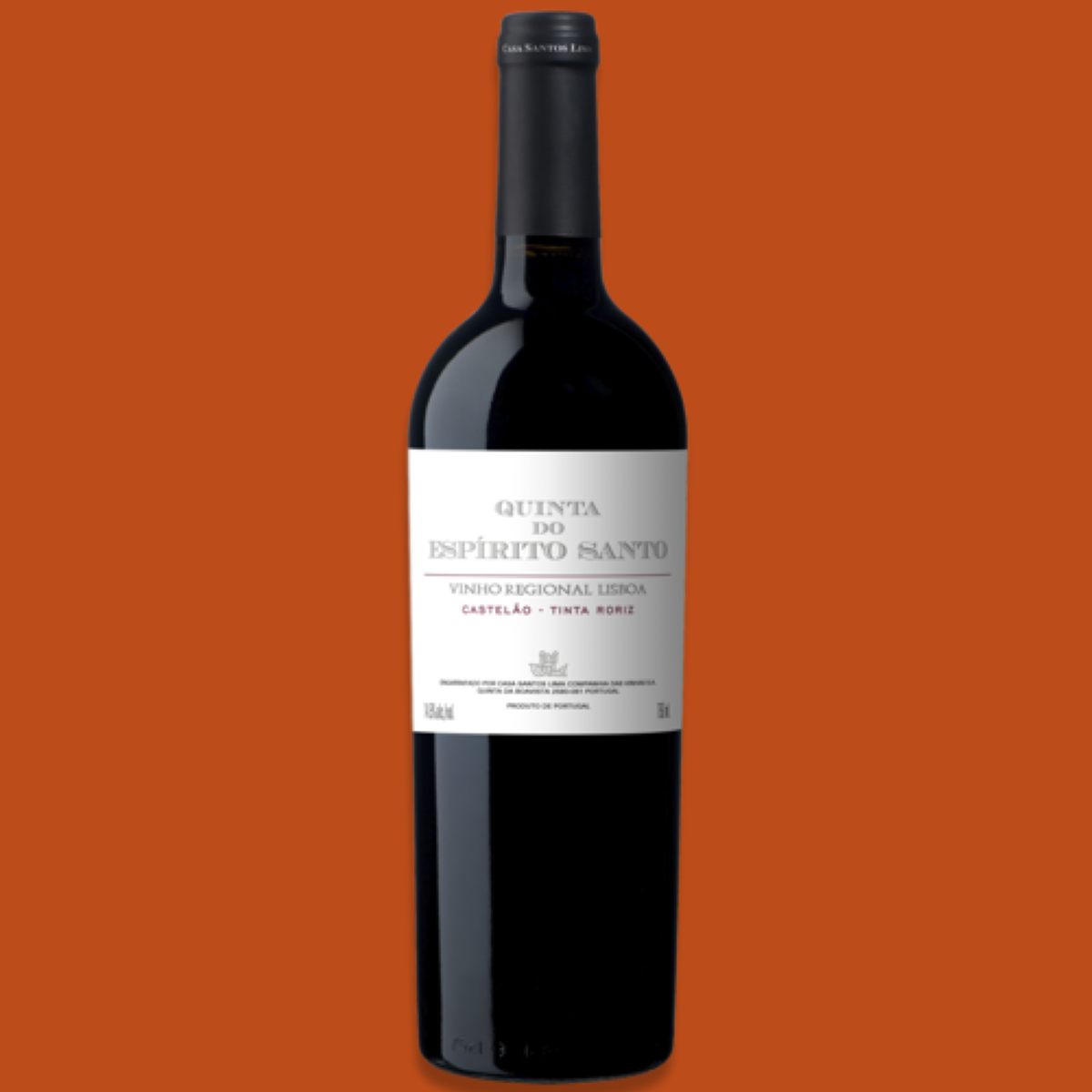
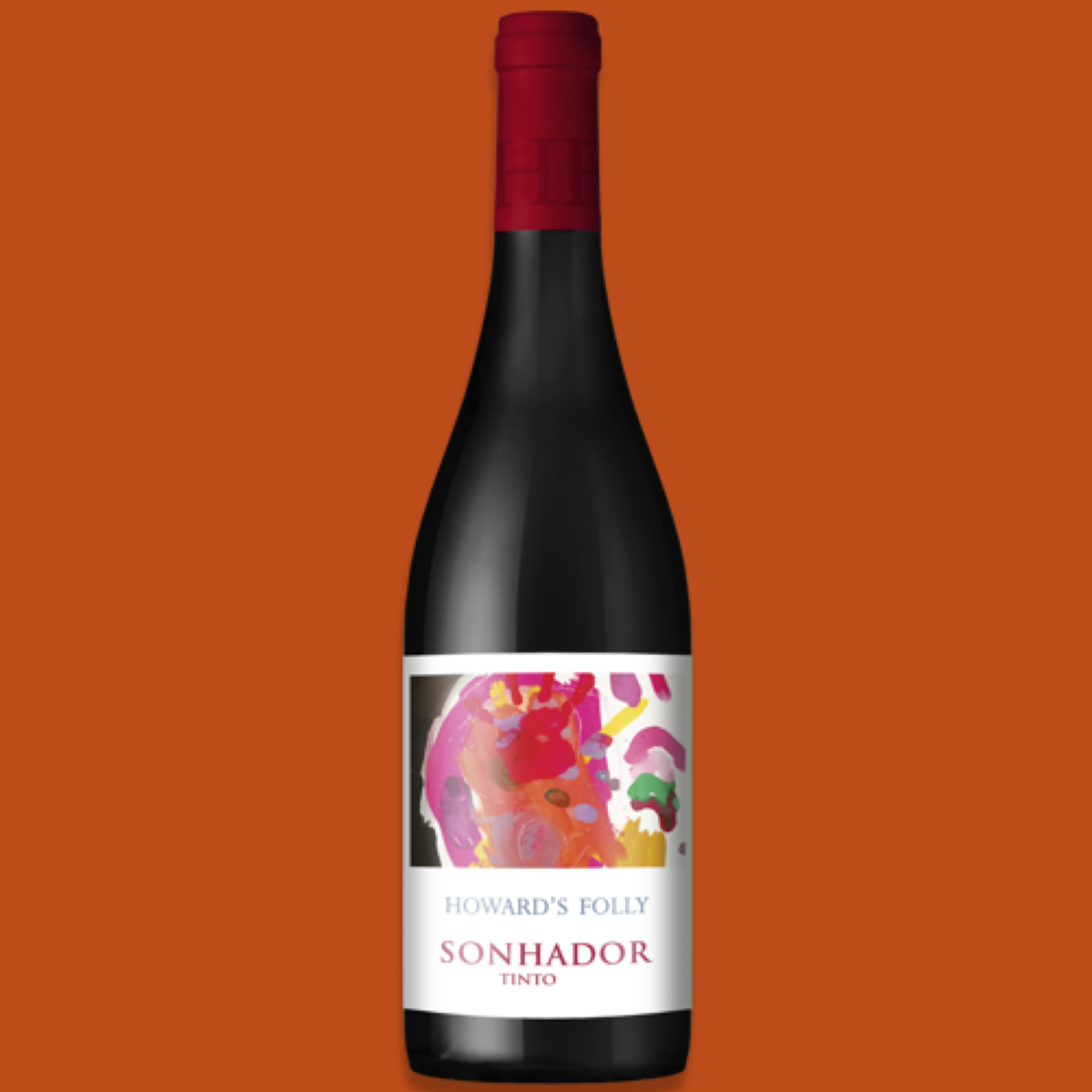
Howard's Folly Sonhador Tinto
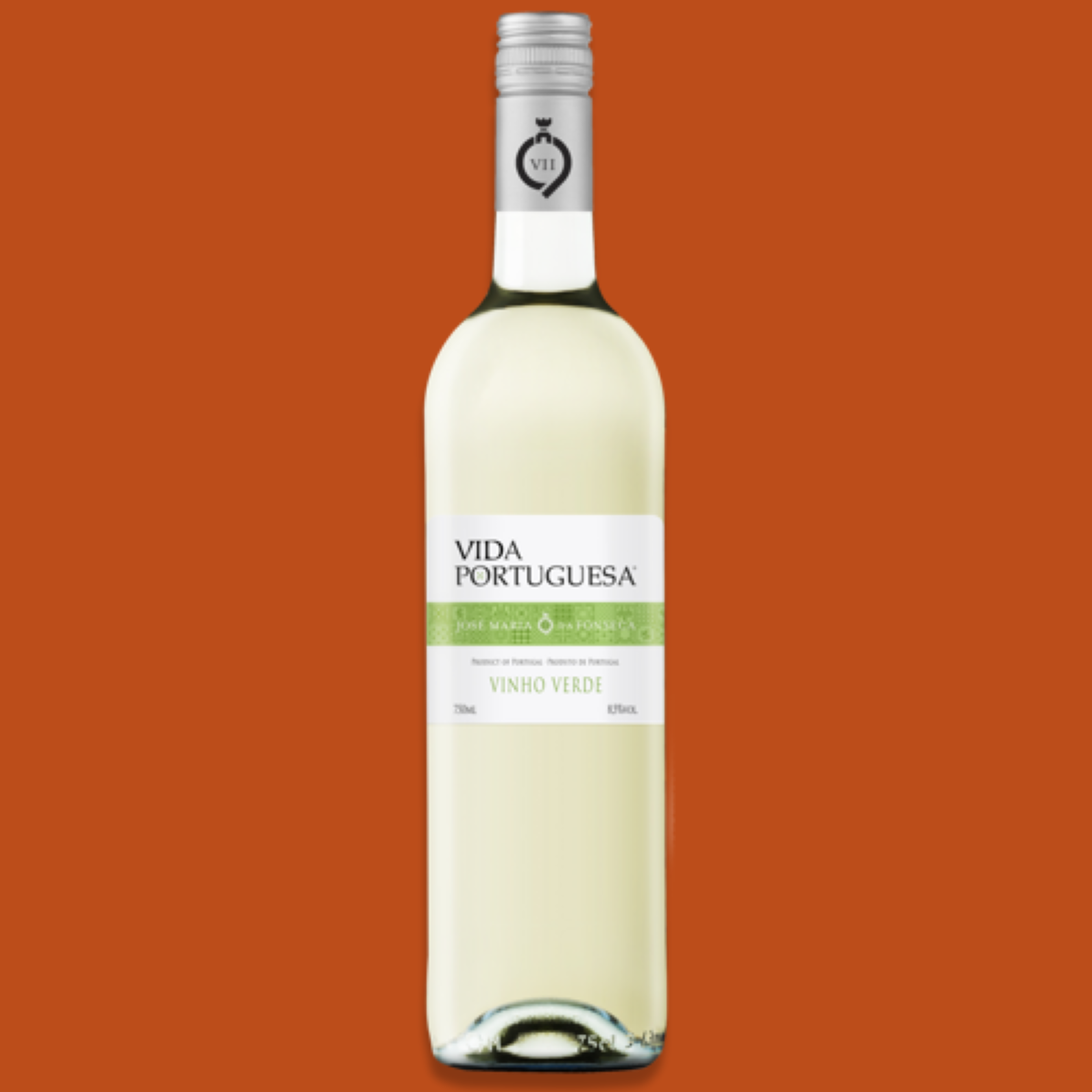
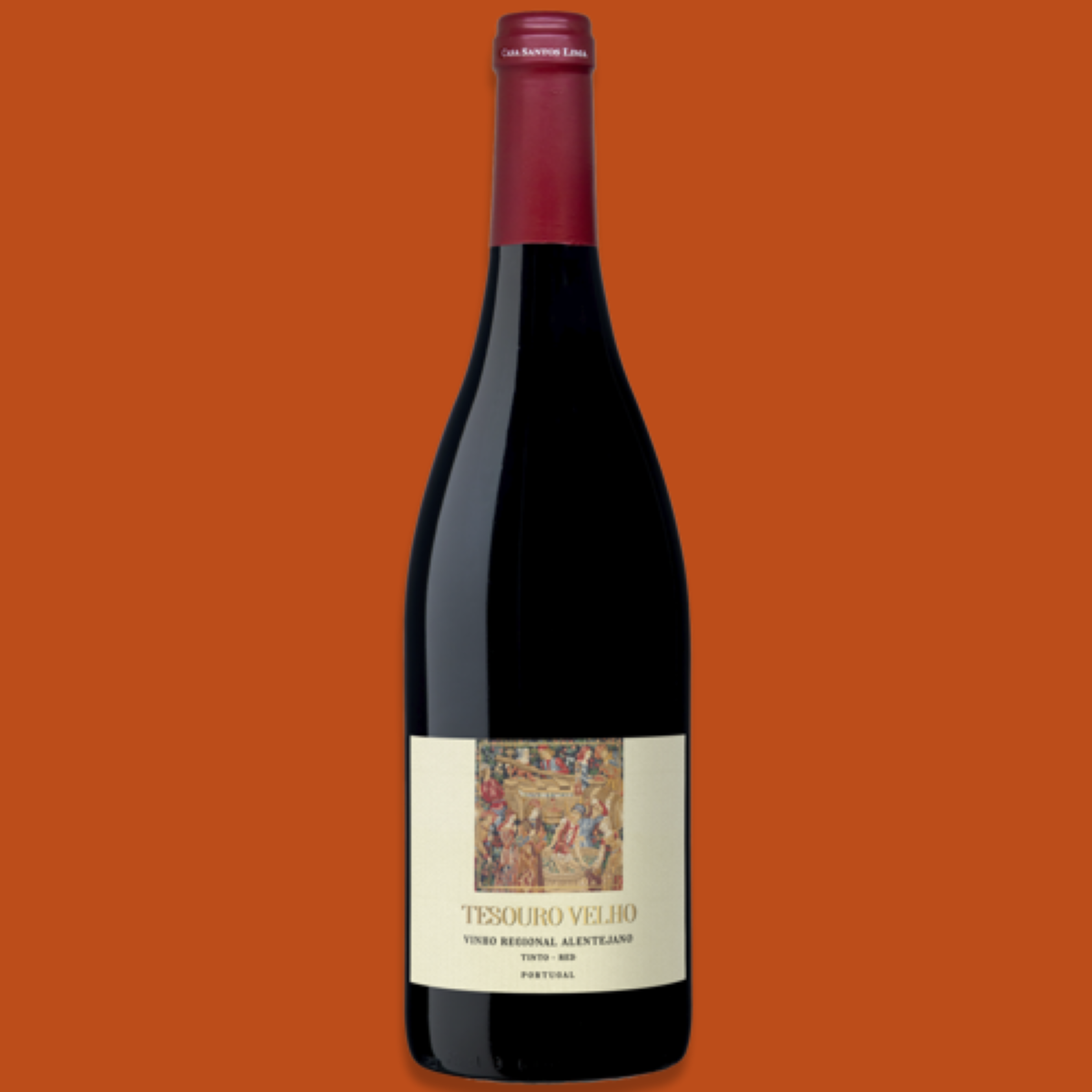
Prices as of November 22, 2026, as reported by Gall & Gall. You can find the current price and stock at Gall & Gall. Glazen.nl receives a small commission if you buy something through these links; it costs you nothing extra. No 18, no alcohol.