3 Fonteinen
3 Fonteinen is a lambic brewery and gueuze blender from Beersel, just south of Brussels. It's known for dry, sour oude geuze and oude kriek made with real sour cherries. Here you'll learn what lambic, gueuze and kriek are, which bottles Gall & Gall sells, what they taste like and how to serve them.

Spontaneously fermented beer from the Pajottenland
3 Fonteinen comes from Beersel, in the Pajottenland and Zenne Valley southwest of Brussels. This is the lambic region: beer that ferments spontaneously. The brewer adds no yeast, but leaves the cooled wort exposed to the air so wild yeasts and bacteria from the environment can do their work. The lambic then matures in wooden barrels for months to years. This creates a dry, sour and complex beer. Gaston Debelder started out as a gueuze blender: he bought lambic from brewers and blended it into gueuze. His son Armand took 3 Fonteinen further and also began brewing lambic himself.
3 Fonteinen makes two classic beers from lambic. Oude geuze is a blend of young and aged lambic that undergoes secondary fermentation in the bottle. The young lambic provides the sugars for this fermentation, while the aged lambic gives it depth. Oude kriek is lambic steeped with whole sour cherries, a type of cherry, for months. The word "oude" means traditional here: no added sweetener and secondary fermentation in the bottle. Oude geuze and oude kriek are protected designations in Europe.
In brief
Geuze, kriek, and a tribute
At Gall & Gall, you can buy three beers from 3 Fonteinen, all available in 37.5 cl and 75 cl bottles. They’re all 7% alcohol.
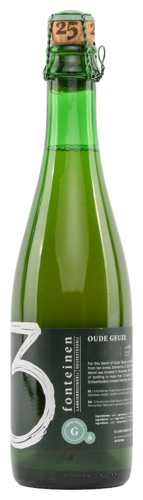
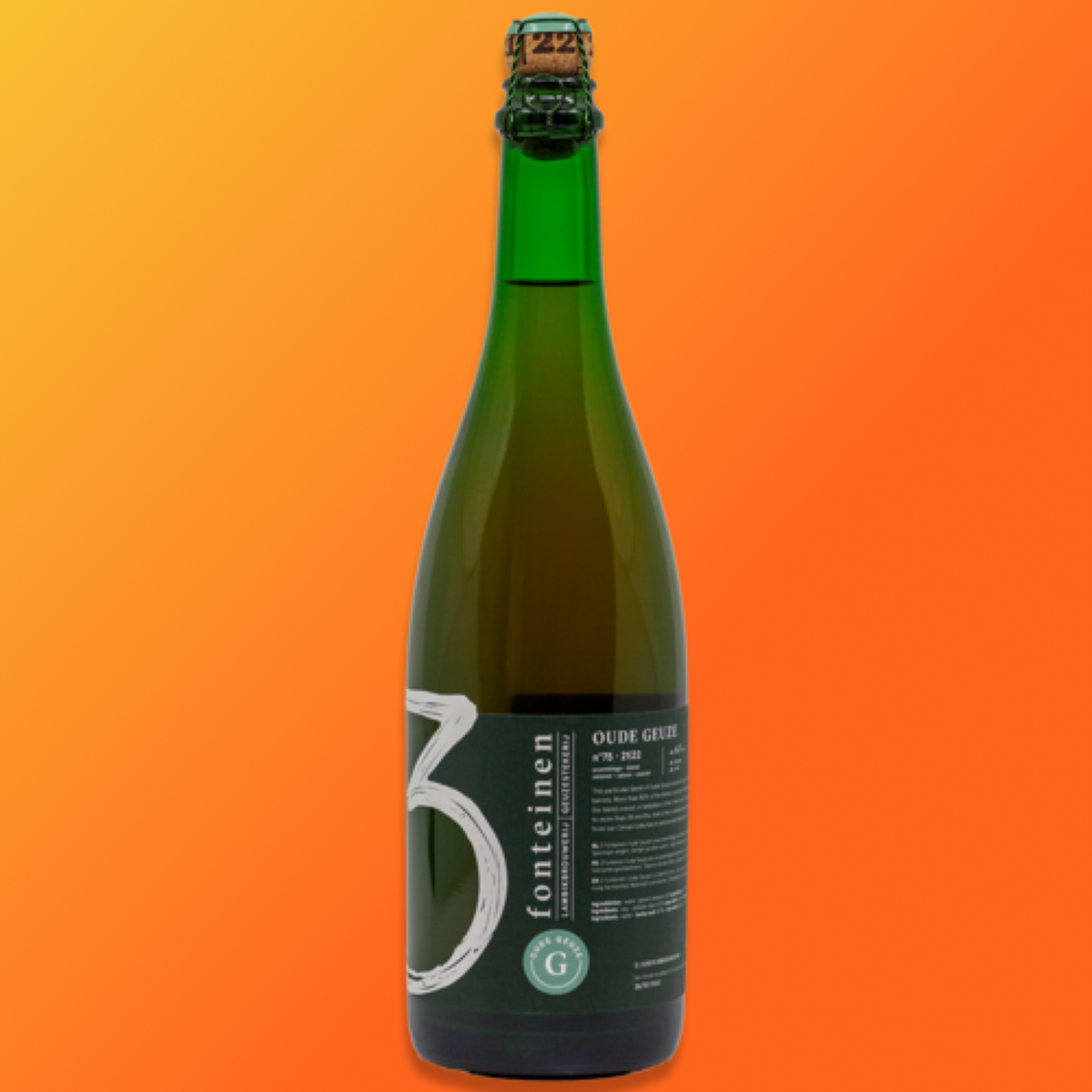
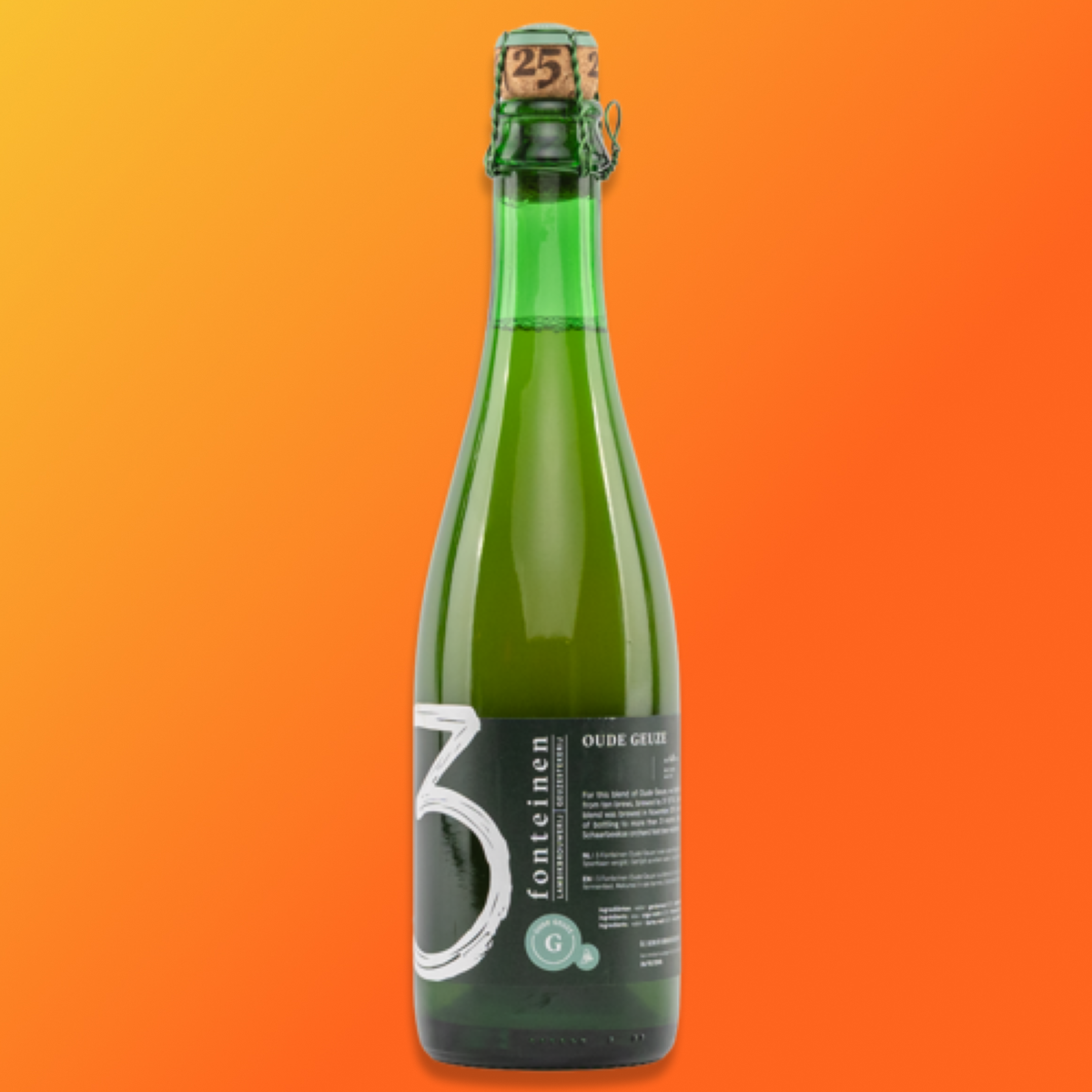
3 Fonteinen Oude Geuze
A classic oude geuze. Lively and spontaneously fermented, with a refreshing, dry, and complex acidic flavor profile.
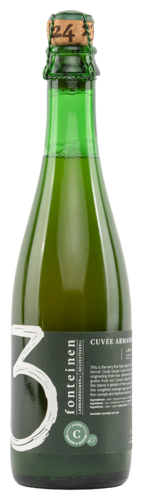
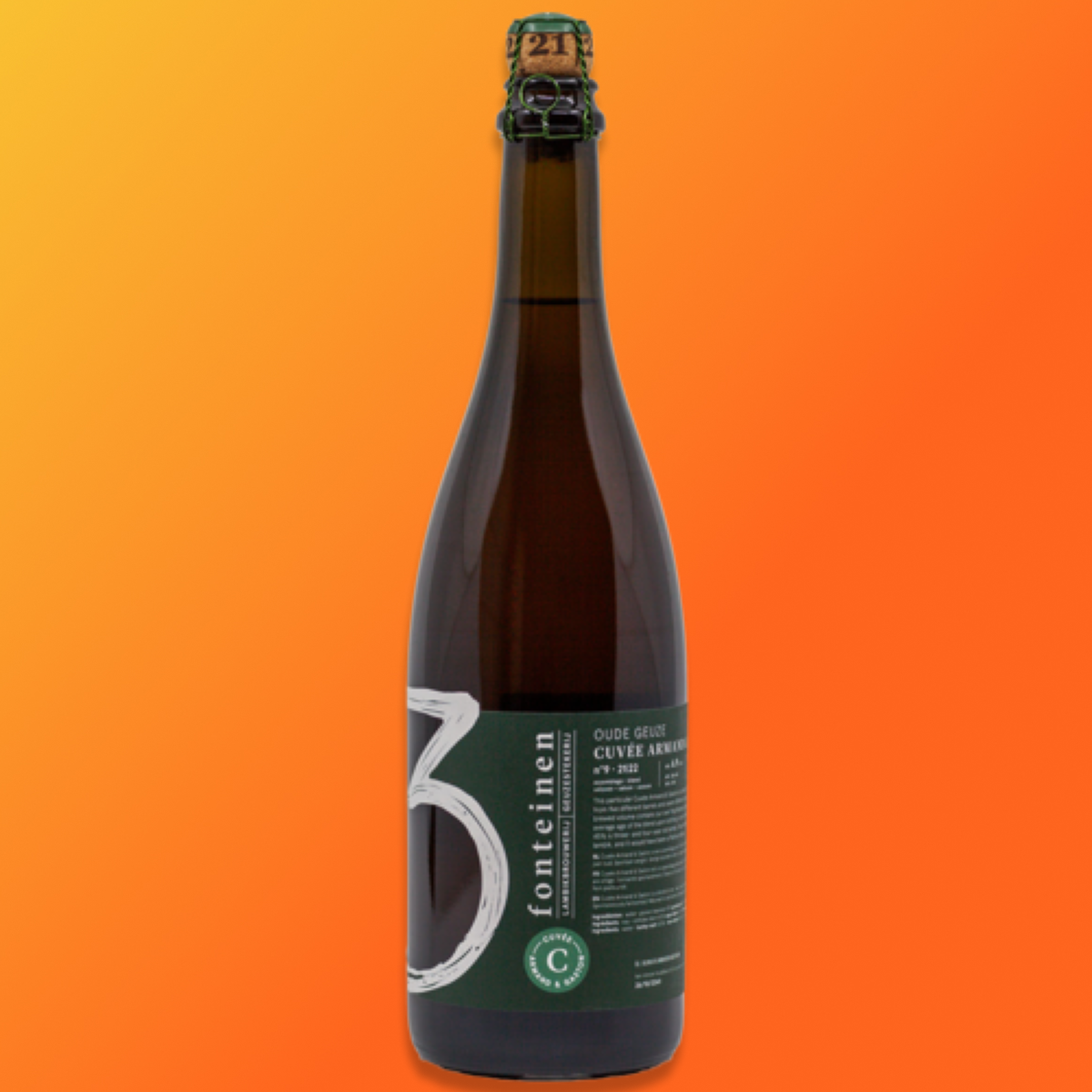
Oude Geuze Cuvée Armand & Gaston
An organic geuze, made as a tribute to Armand and Gaston Debelder. Made entirely from 3 Fonteinen’s own organically brewed lambic.
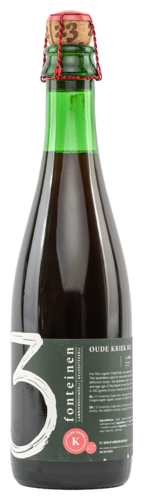
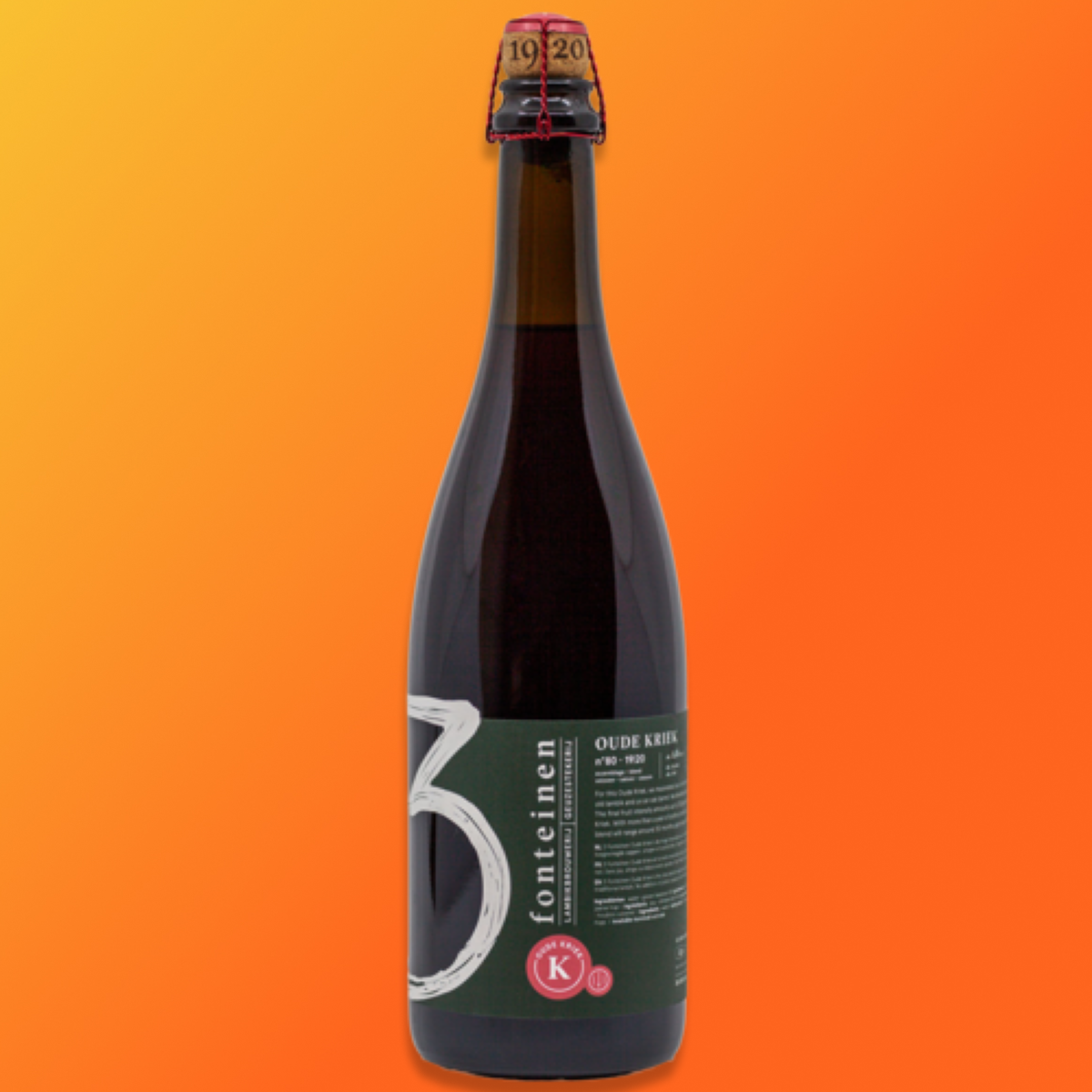
3 Fonteinen Oude Kriek
A traditional, organic oude kriek with an intense fruit flavor and a ruby-red color. The fresh acidity of lambic is balanced by the juice of real sour cherries.
How is geuze blended, and why is it so sparkling? Read about it on our geuze page.
What’s the difference between oude kriek and sweet kriek? Find out on our kriek page.
Spontaneous fermentation, wooden barrels, and wild yeasts: this is how lambic is made.
Dry, sour, and surprisingly fresh
Citrus, wood, and barnyard
Oude geuze smells of lemon, green apple, oak, and an earthy, slightly funky edge from the wild yeasts. Kriek smells of sour cherries and almond.
Sour and sparkling
Plenty of fine carbonation from bottle conditioning and a pronounced acidity. The geuze is bone-dry. The kriek is fruitier, but also dry: no sugar is added.
Long and dry
A long, dry finish with acidity, wood, and a slightly bitter note. With the kriek, cherry and a hint of almond linger.
Flavor profile of 3 Fonteinen Oude Geuze. Oude Kriek scores higher on fruit and just as low on sweetness.
How to pour oude geuze and kriek
Oude gueuze and kriek are living beers with yeast sediment at the bottom. Serve them at the right temperature and pour gently to get the most out of them.
At 8 to 12 degrees
Too cold and the complex aroma disappears; too warm and the acidity becomes sharp. Take the bottle out of the fridge half an hour before serving, or store it in a cool cellar. An older bottle can be served on the warmer side.
More about gueuze →Store on its side, pour gently
The bottles are corked and made for long-term aging. Store them in a cool, dark place. Pour in one smooth motion so the yeast sediment stays in the bottle. Leave the last little bit behind.
More about lambic →Label facing up
Hold the bottle at an angle as you pour, with the label facing up, and pour slowly down the side of the glass. The high carbonation quickly creates a foamy head. Share a 75 cl bottle with a few people, just like a bottle of wine.
Organize a beer tasting →Gueuze and kriek at the table
The acidity of oude gueuze and kriek works at the table like a crisp wine: it cuts through rich foods and creamy sauces and refreshes your palate.
Mussels and oysters
Mussels, oysters, fried fish and shrimp. The dry acidity goes well with briny, salty flavors.
Farmer's cheese and bread
A slice of bread with farmer's cheese, radish and spring onion is a classic pairing with gueuze in the Pajottenland. Young goat's cheese also works well.
Duck and game
Duck breast, game or a salad with smoked meat. The tart cherry flavor works like a fresh sauce.
Chocolate and red fruit
Dark chocolate, chocolate mousse or a dessert with red berries. Since kriek is dry, the dessert shouldn't be too sweet.
The right glass for 3 Fonteinen
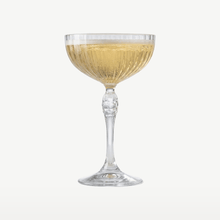
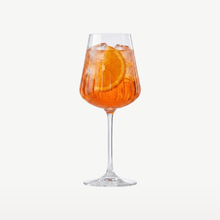
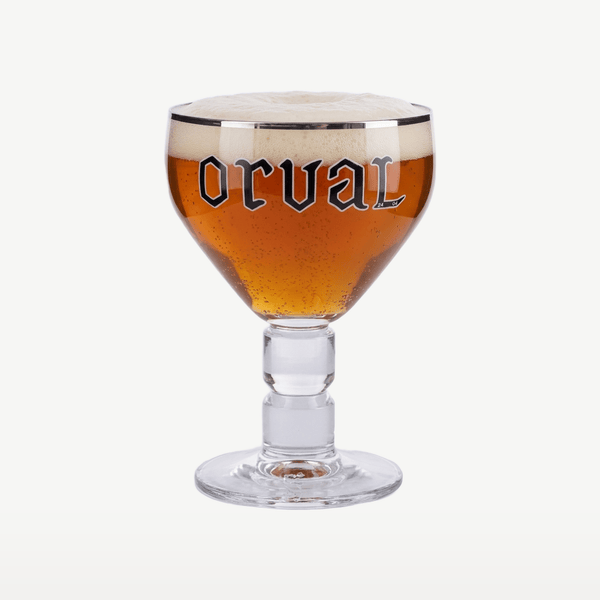
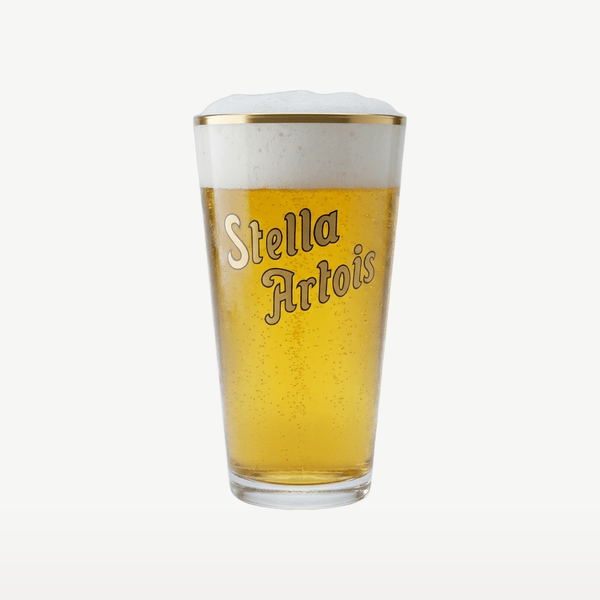
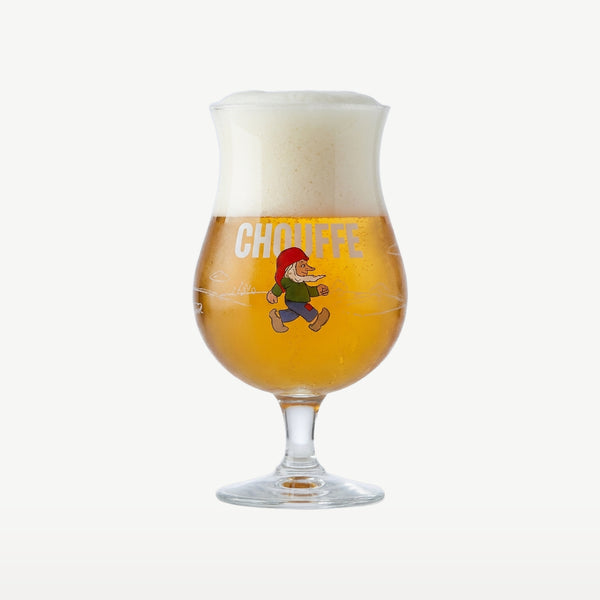
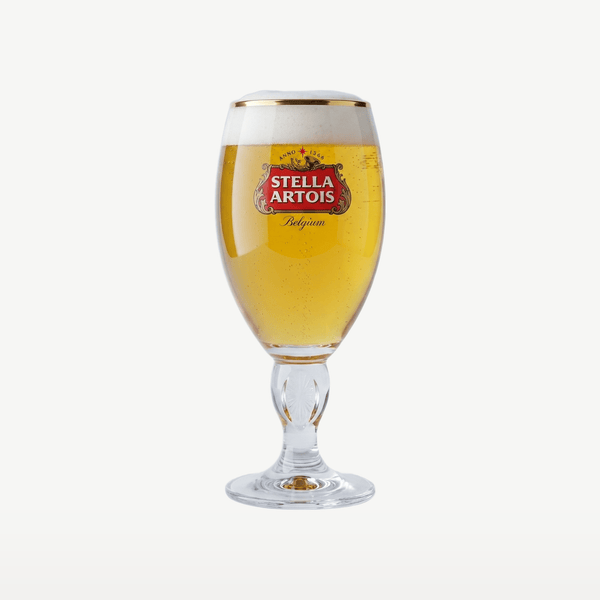
Traditionally, gueuze is served in a straight, slightly wider glass. A tulip glass works well too, as it captures the complex aroma. At the table, with a 75 cl bottle, you can also serve oude gueuze and kriek in a wine glass.


Everything you still wanted to know about 3 Fonteinen
Can’t find your question here? Read more about beer tasting, or get in touch.
Go to the beer tasting →What is the difference between lambic and gueuze?
What does oude geuze mean?
Where does 3 Fonteinen come from?
How much alcohol does 3 Fonteinen Oude Geuze contain?
What glass should you use for gueuze?
What goes well with oude geuze?
Buy 3 Fonteinen
Want the bottle delivered straight to your door? Order 3 Fonteinen online from Gall & Gall. Gall & Gall has 6.
Prices as of November 24, 2026, as reported by Gall & Gall. You can check the current price and stock at Gall & Gall. Glazen.nl receives a small commission if you buy something through these links; it costs you nothing extra. No 18, no alcohol.