How to pour it
an absinthe in
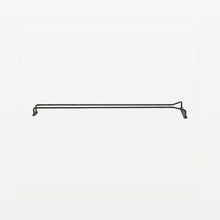
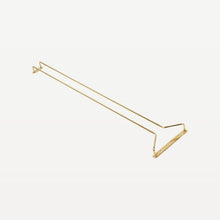
Pour 3 cl of absinthe into a stemmed glass. Rest the absinthe spoon across the rim and place a sugar cube on it, if you like sugar.
Pour 12 cl of ice-cold water drop by drop over the sugar cube. That’s four parts water to one part absinthe; you can choose anywhere from three to five parts.
Watch the drink turn cloudy and milky. That’s the louche: the oils from the anise and fennel don’t dissolve in water.
Quickly stir in the sugar that has settled at the bottom and serve immediately. Lighting the sugar cube is not part of the process; that’s a trick invented later.
What did you think of this guide?
Just click a star once. If you’d like to add a comment, we’ll review it before it appears here.
Save this page
Email this page to yourself so you have the instructions handy when you’re ready to serve. You’ll also get a €5 discount code when you spend €50 or more on the glasses to go with it.
The story
Absinthe is distilled from wormwood, green anise, and fennel, sometimes with a few other herbs added. Wormwood contains thujone, the substance that gave the drink its bad reputation; the amount allowed in absinthe is now legally limited. Its alcohol content is high, often around 45 to 74 percent, which is exactly why water is added. In the nineteenth century, absinthe was banned across much of Europe following a fierce campaign against the drink. In most countries, the ban was lifted long ago, and absinthe is once again distilled and sold as usual.
The right glass
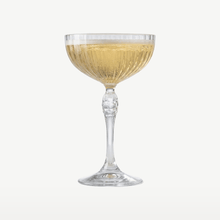
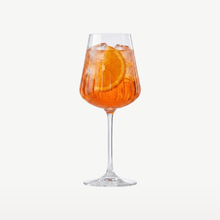
The classic absinthe glass has a bulb-shaped reservoir in its base: the hollowed-out part at the bottom shows exactly how much absinthe to pour, with room above for the water. We don't carry a glass like that, and we'd rather be honest about it. The closest option is a stemmed glass with a bowl that narrows toward the top and has room for three centiliters of spirit plus four times as much water; the two below fit the bill. The absinthe spoon itself is listed under absinthe accessories.

Luigi Bormioli Mixology Spirits liqueur glass 23 cl (6 pieces)

Chef & Sommelier Spirits Rhum liqueur glass 17 cl (6 pieces)
Both sets together € 66,90.
The right tools
For absinthe, besides the glass, use a jigger to measure three centiliters and an ice cube tray to get the water really cold; you can find the spoon itself among the absinthe accessories. These are the bar tools we use ourselves; find everything in our bar tools & cocktail sets.


Glassware set (our pick 01) + 2 bar tools together € 61,85.
What goes well with this?
Absinthe isn't in our drinks guide yet. These are the bottles that come closest: the spirits used in the two cocktails that really call for absinthe, and the anise family. Each drink page tells you the alcohol content, what it tastes like, which cocktails it works in, and which glass you need.


Variations & twists
The amount of water is a matter of taste: one part water to three parts absinthe makes a strong glass, while one to five makes a milder one. Sugar is optional and is not customary in some regions. There is green absinthe, colored by herbs steeped in it after distillation, and clear absinthe, called blanche. In cocktails, it appears most notably in the Sazerac, where the glass is simply rinsed with it, and in Death in the Afternoon, where champagne is added. Want to read more? Browse all drinks and brands.
Serving tip
Set out the glass, a carafe of ice water, and the spoon before you begin, because the water really needs to be cold. Let the water run in so slowly that you can see the louche form rather than appear all at once. Pour small servings and serve immediately; a glass left to stand for a long time loses its aroma.
Good to know
Where does the story about hallucinations come from?
It dates back to the nineteenth century. Absinthe was enormously popular and consumed in large quantities, and a vigorous campaign was waged against it. Everything that went wrong was blamed on thujone, and a ban followed in much of Europe. What was in those glasses was mostly a lot of alcohol.
What is thujone?
A substance that occurs naturally in wormwood and makes its way into the drink. The amount of it allowed in absinthe is regulated by law. At the levels found in a glass, thujone has no special effect; alcohol is by far the strongest component.
Why does absinthe turn cloudy?
Because the oil from anise and fennel dissolves in alcohol but not in water. When water is added, the oil separates into tiny droplets that scatter the light. This is called the louche, and you see the same effect with raki, ouzo, pastis, and arak.
How strong is absinthe?
Strong. Most bottles range roughly from 45 to 74 percent alcohol. Once diluted, the drink in the glass is much weaker, depending on how much water you use; with four parts water, about one fifth of the original strength remains.
Is absinthe still banned?
Not in most countries anymore. The ban was lifted a long time ago, and absinthe is once again commonly distilled and sold, within the limits set for thujone. The exact regulations vary from country to country.
Which glass should I use?
A stemmed glass with a rounded reservoir in the base: the hollowed-out part at the bottom shows the measure for the absinthe, with room for water above it. We don't carry that model. The closest option is a tulip-shaped stemmed glass with a capacity of seventeen to twenty-three centiliters.
Frequently asked questions
Does absinthe cause hallucinations?
No. That idea stems from the 19th-century campaign against the drink and the huge quantities of alcohol people drank at the time. The thujone from wormwood is present in small, legally limited amounts and does not cause visions.
How much water do you add to absinthe?
About three to five times the volume of absinthe. So for 3 cl of absinthe, add around 9 to 15 cl of ice-cold water, drop by drop, until the drink turns cloudy.
Should you set the sugar cube on fire?
No. The flaming sugar cube is a later-invented gimmick that has nothing to do with the original ritual. It burns the sugar and some of the alcohol, and spoils the aroma. Water is what opens up the drink, not fire.
Which cocktails contain absinthe?
In a Sazerac, the glass is rinsed with it before the rest is added; that recipe is on our Sazerac page. Death in the Afternoon has a splash of absinthe added to champagne, and we don't have a recipe page of our own for that one yet.
Buy absinthe
Want the bottle delivered straight to your door? Order absinthe online at Gall & Gall. Gall & Gall has 6.
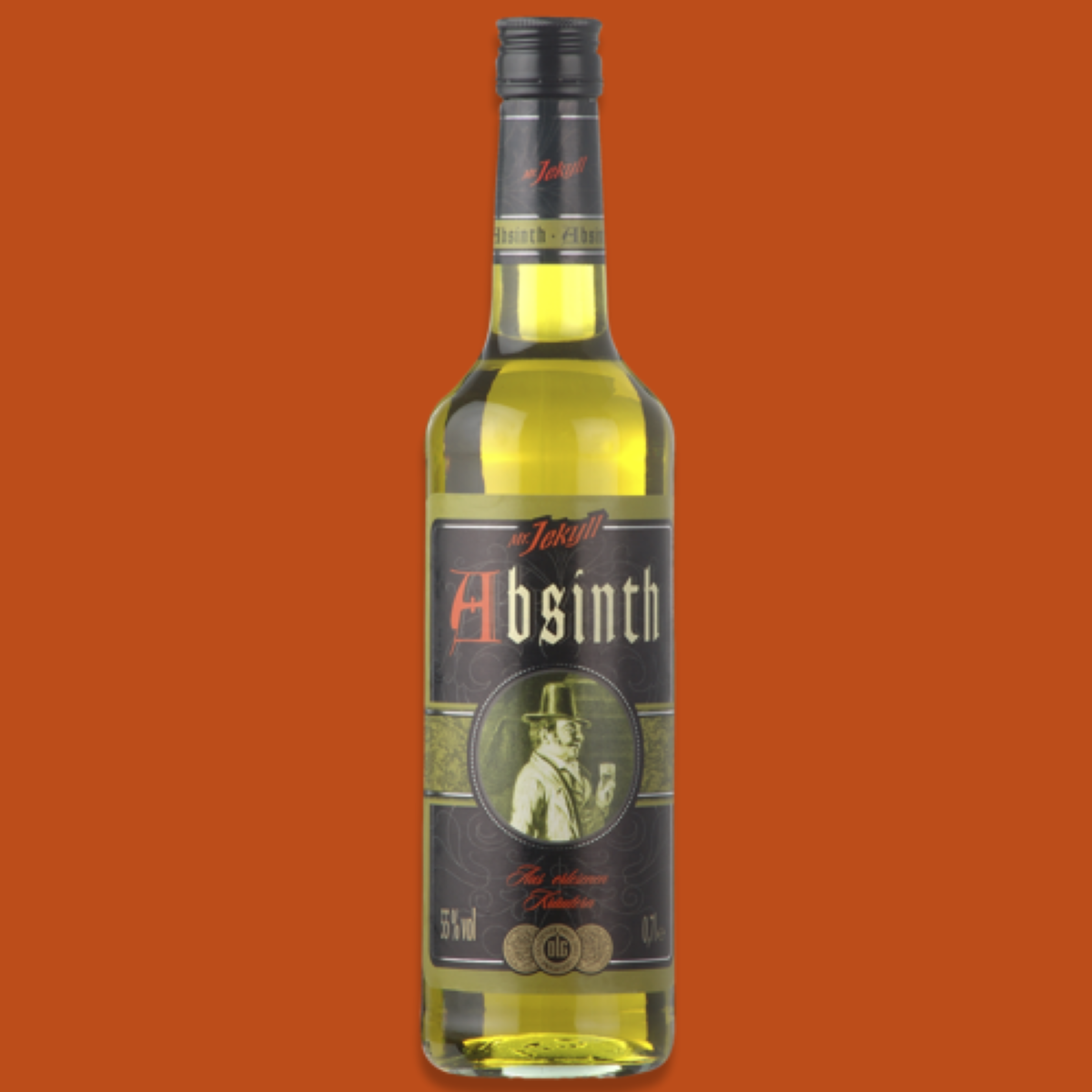
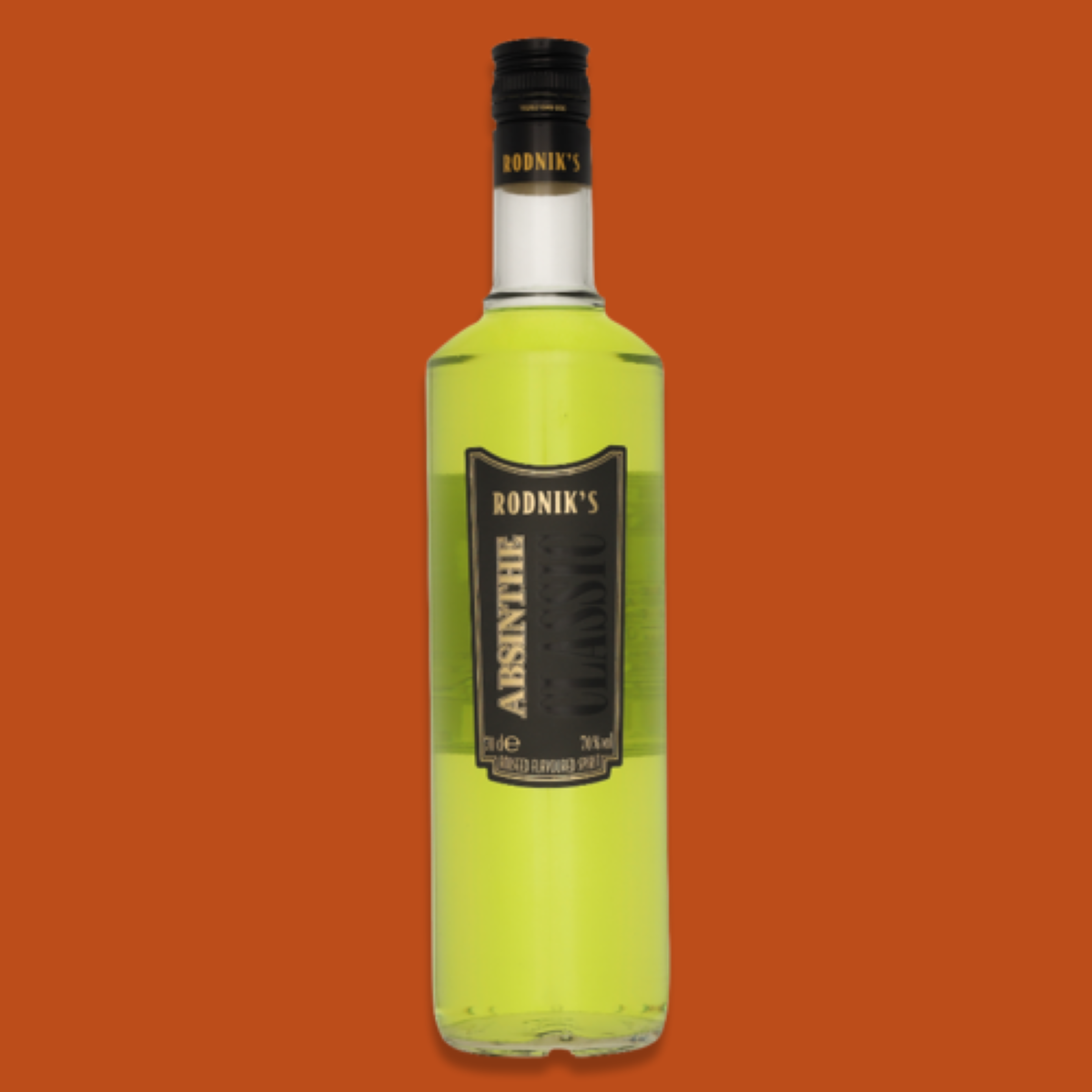
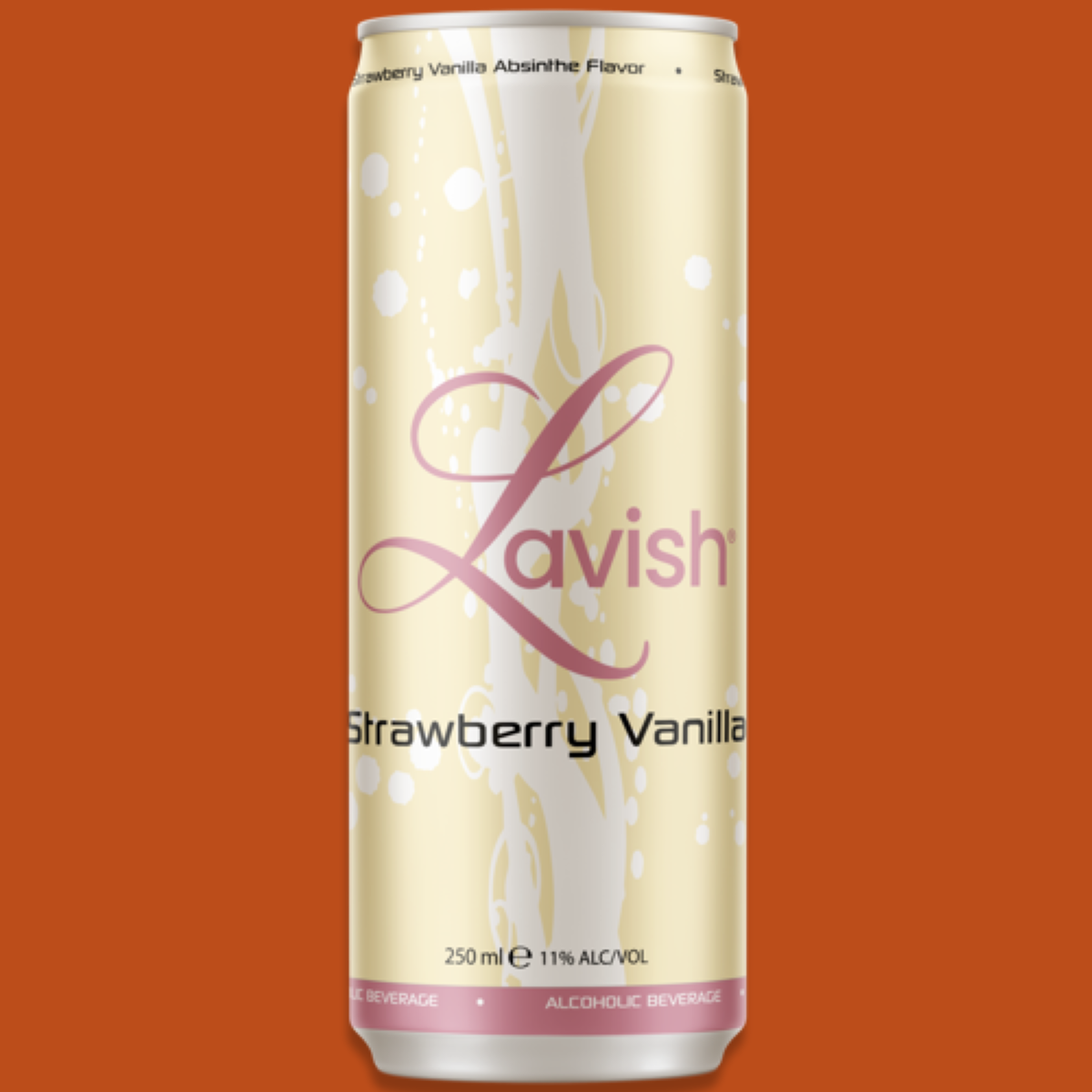
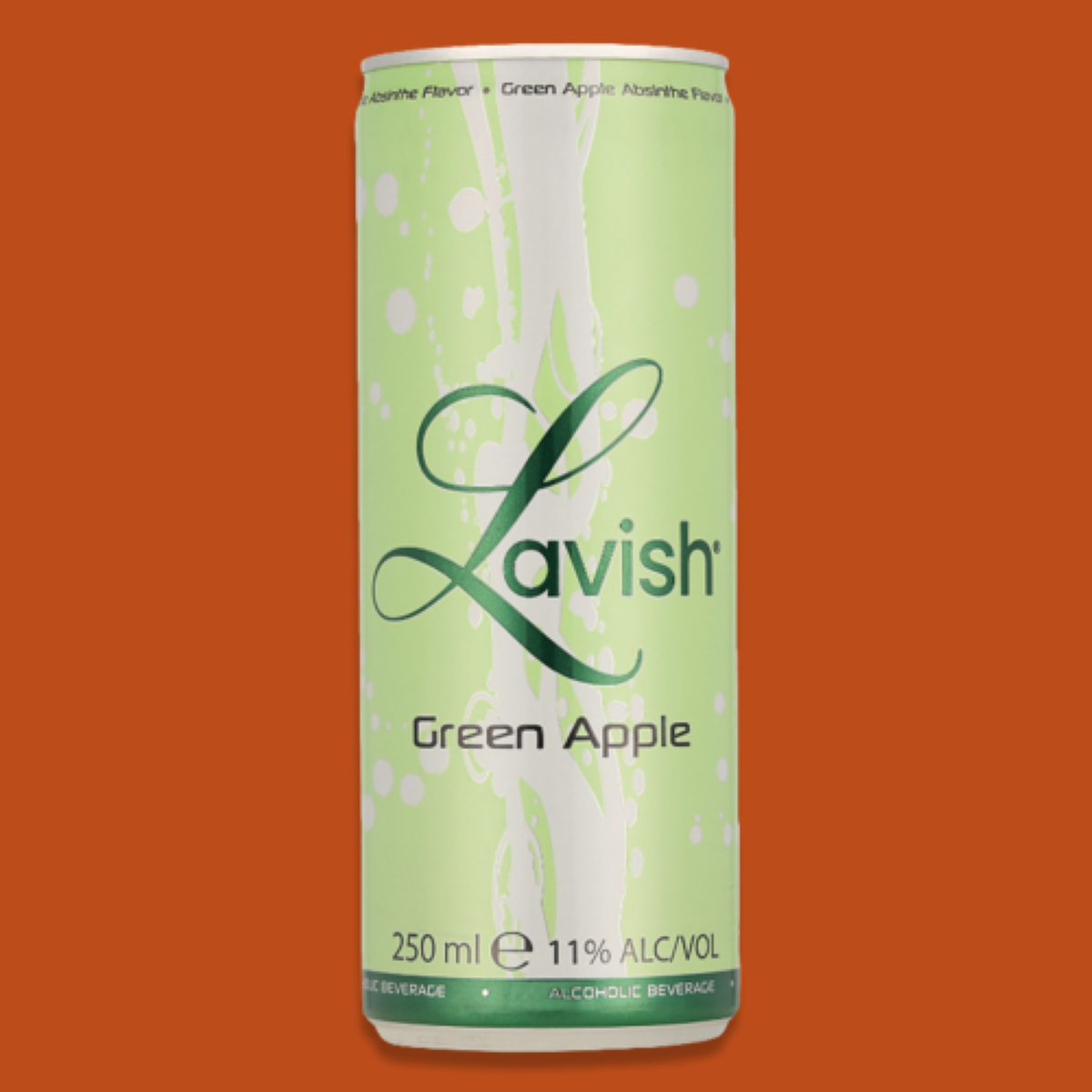
Prices as of November 21, 2026, as listed by Gall & Gall. See the current price and availability at Gall & Gall. Glazen.nl receives a small commission if you buy something through these links; it costs you nothing extra. No one under 18, no alcohol.
Everything for your bar,
at one address
Hospitality-quality glasses, sold as a set. Order today, delivered quickly.
Shop glasses →