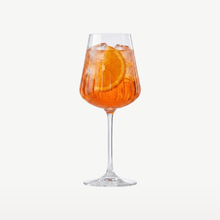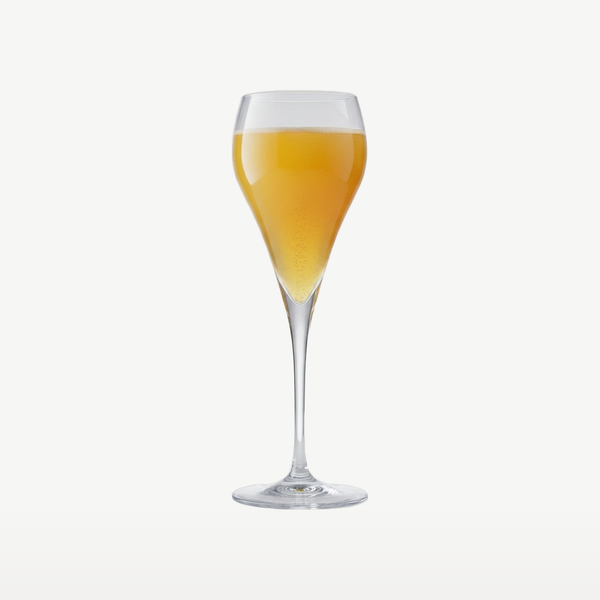

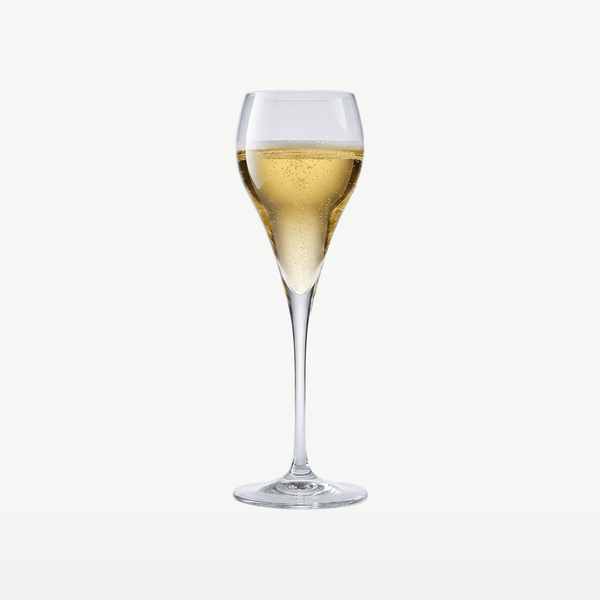
Chef & Sommelier Open Up Champagne Glass / Flute 20 Cl - 6 Pieces
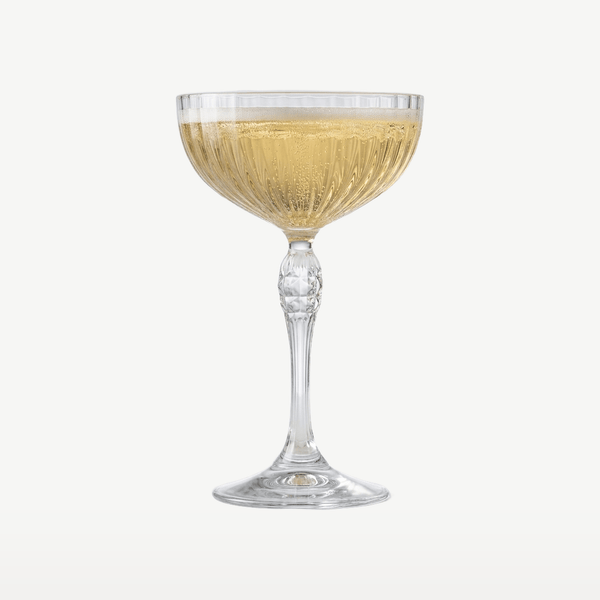
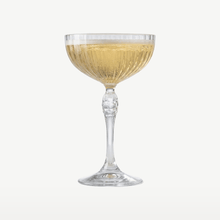
Bormioli Rocco America'20S Champagne Glass / Coupe 22 Cl - 6 Pieces
Sparkling wine
Sparkling wine is wine with carbon dioxide, created during a second fermentation in the bottle or in a tank. Champagne is the best-known, but cava, prosecco and crémant are sparkling wines too. Here you'll learn how they differ, what brut means and which glass to choose.


The four major sparkling wines
Almost every sparkling wine in the store falls into one of these four categories. We have a separate page for each.
Champagne
Only from the Champagne region, made from chardonnay, pinot noir and pinot meunier.
About Champagne →
Cava
The Spanish sparkling wine, mainly from Catalonia, made from macabeo, xarel·lo and parellada.
About Cava →

Bubbles from a second fermentation
Sparkling wine starts as ordinary, still wine. Then it undergoes a second fermentation: the winemaker adds a little sugar and yeast, and the yeast turns them into alcohol and carbon dioxide. If this happens in a sealed space, the carbon dioxide cannot escape and dissolves into the wine. As soon as you open the bottle, the bubbles are released. Sparkling wine is the umbrella term; champagne, cava, prosecco and crémant are types of sparkling wine from specific regions, each with its own rules.
The biggest difference is where the second fermentation takes place. With the traditional method, it happens in the bottle itself, and the wine then ages for a while on the lees. This gives fine bubbles and notes of brioche and toast. This is how Champagne, cava, crémant and South African méthode cap classique are made. With the tank method, the wine ferments in a large, sealed tank and is then bottled. This keeps the wine fresh and fruity, and is how most prosecco is made. A pet nat (pétillant naturel) is bottled while the first fermentation is still underway, giving it a soft, natural fizz. The label also indicates how dry the wine is, from brut nature (almost no sugar) through brut and extra dry to demi-sec and doux (sweet).
In brief
Twenty bottles, from Champagne to 0%
Gall & Gall has nearly 300 sparkling wines. We’ve grouped them by type, because the region and method determine the taste of the bubbles more than the brand does.
Champagne. Only from the Champagne region of France, with a second fermentation in the bottle and a long aging on the lees.
De Saint-Gall Le Tradition Premier Cru
From a cooperative of more than 2,000 grape growers. A lovely balance of complexity and elegance.

De Saint-Gall Rosé Premier Cru
Chardonnay, with 16% red wine made from Pinot Noir for color.
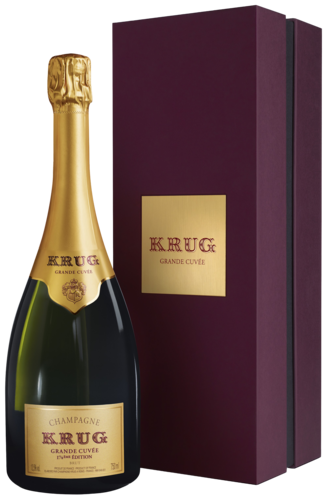
Krug Grande Cuvée 174
Powerful, with depth and structure. Pinot Noir takes the lead, with a generous proportion of Pinot Meunier.
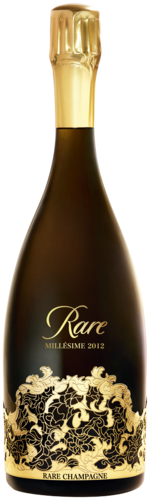
Piper-Heidsieck Rare 2012
70% Chardonnay and 30% Pinot Noir. Mango, tropical fruit, dried apricot and honey.
Crémant and other traditional sparkling wines. Made in the same way as Champagne, but from other regions.
Charles de Fère Crémant de Bourgogne
Made from Pinot Noir and Chardonnay. Soft, with a fresh green apple finish.
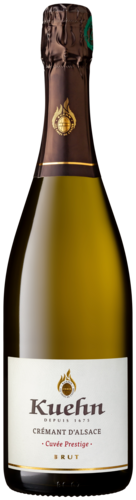
Kuehn Crémant d'Alsace Prestige
Sparkling Pinot Blanc. White flowers, yellow apple and ripe pear.

Langlois-Chateau Brut
Fresh and fruity, with a sparkling, soft yellow color and a long finish.

Tokara Blanc de Blancs
Méthode cap classique made from Chardonnay only. That's the name for the traditional method in South Africa.
Cava and Spanish sparkling wines. Also made with a second fermentation in the bottle, but from Spanish grapes.
Las Dalias Cava Brut
Macabeo, xarel·lo and parellada. Refined, with yellow apple, peach and lemon.

Privat Cava Brut Reserva
Long-aged cava with peach, lime and toasted bread.

Privat Cava Rosé Brut Nature
Salmon-pink cava made from Pinot Noir and Chardonnay. Strawberry, grapefruit and brioche.

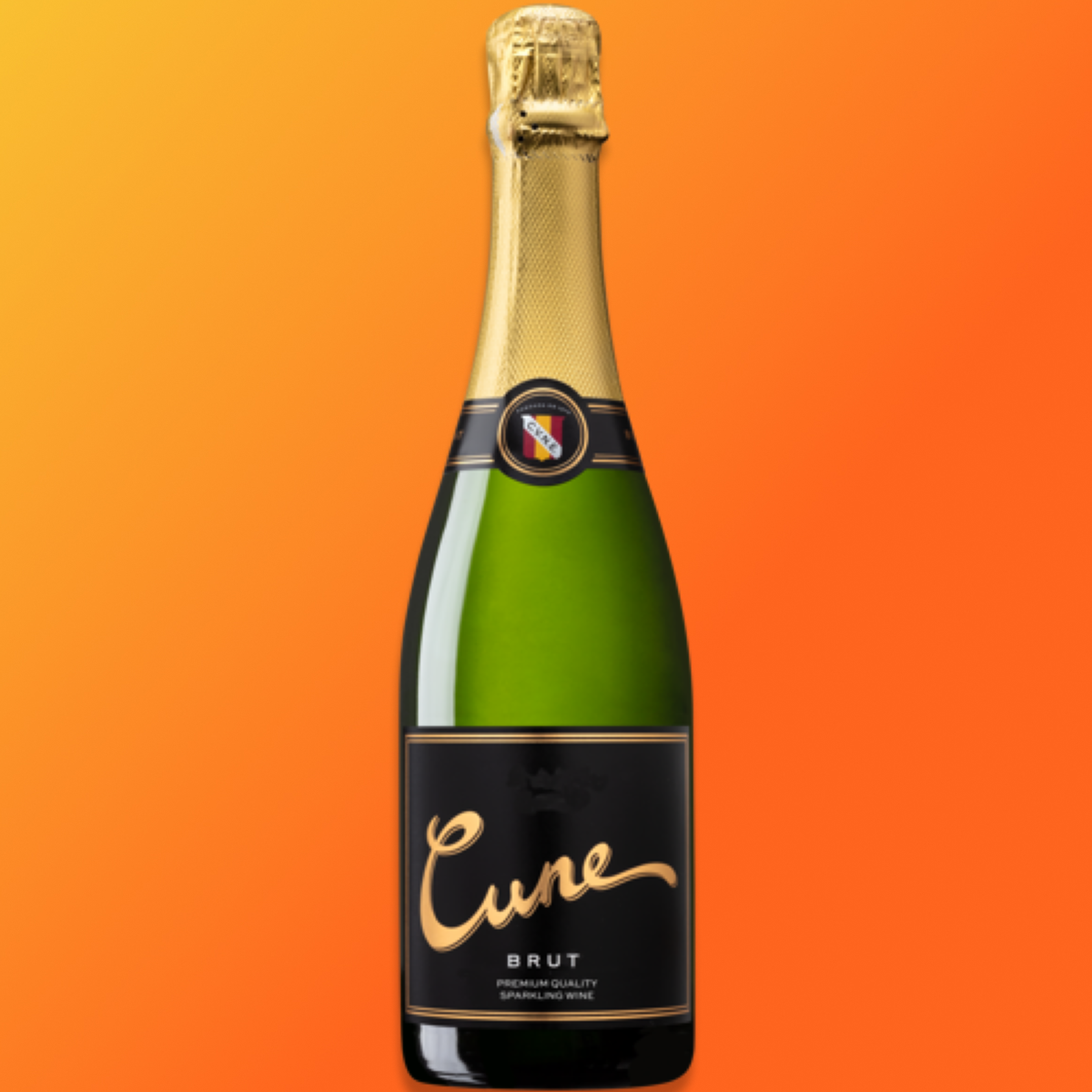
Cune Sparkling
Also made with a second fermentation in the bottle. Toasted bread, citrus and peach.
Prosecco and Italian sparkling wines. Usually made using the tank method: fruity, soft and light.
Zonin Prosecco Brut
Festive and fruity, with pear, melon and lime.

Ca' Marina Prosecco Superiore
From prosecco's most important subregion. Green apple, lime and a touch of creaminess.

Villa Rosa Prosecco
Soft and fresh, with apple and pear. Frizzante has lighter bubbles and a screw cap.

Lambrusco Vecchia Modena
Red Italian sparkling wine with berry and cherry notes and a lovely bite.
Pet nat, sweet and alcohol-free. For those looking for something different: natural, sweeter or alcohol-free.
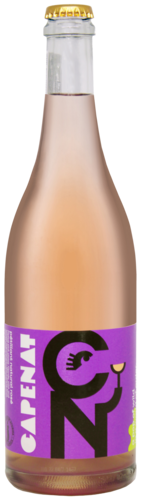
Cape Nat Rosé
Pétillant naturel made from pinotage. Very soft bubbles with strawberry, raspberry and cherry.

Gracioso Secco Hugo Rosé
Sweet sparkling rosé with low alcohol. For those who prefer their bubbles not dry.
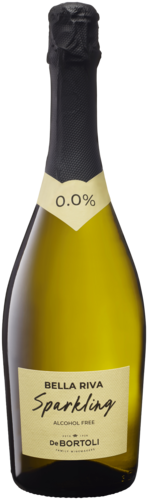
Bella Riva Sparkling
Citrus, berries, elderflower and passion fruit, with a hint of bitterness from green tea.

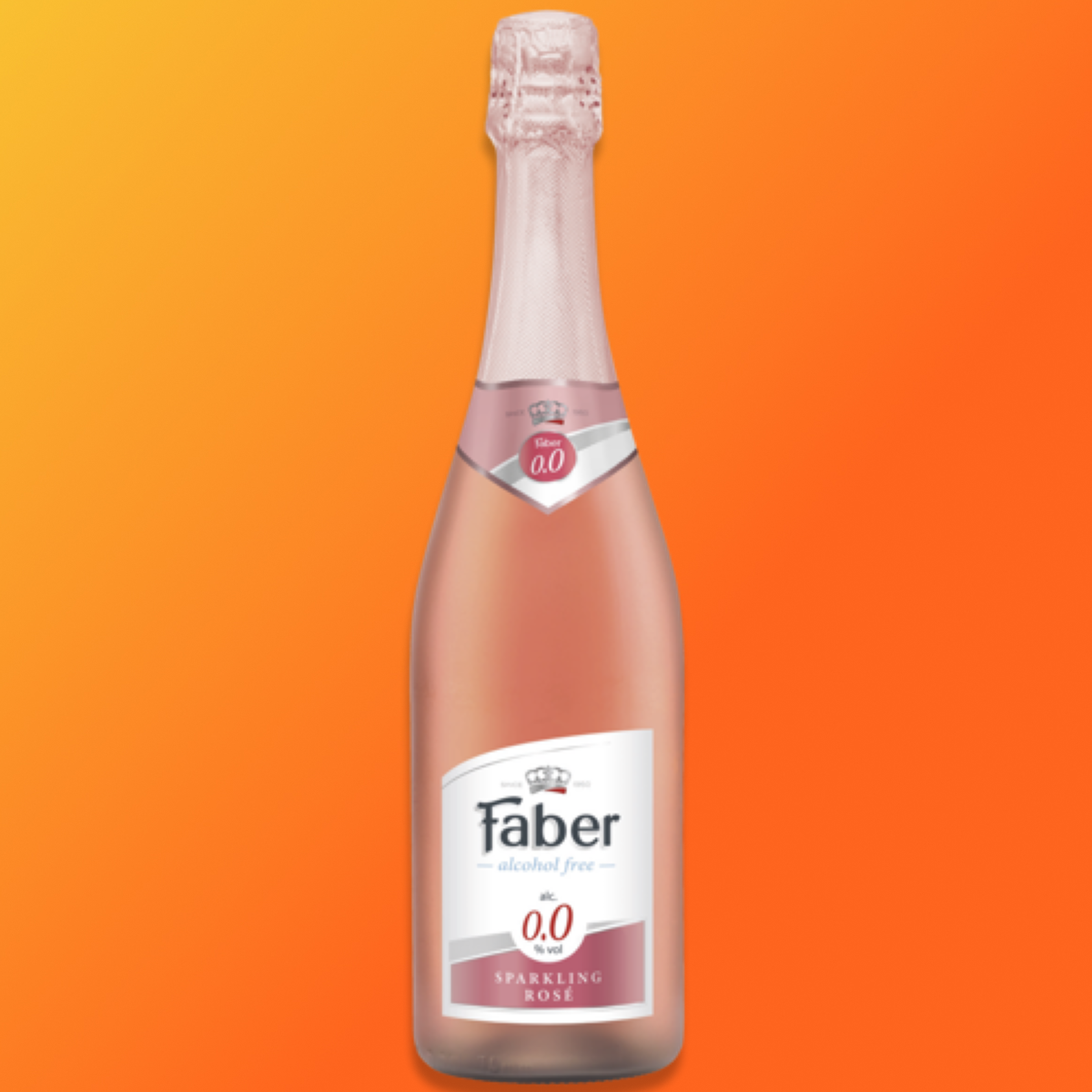
Studio Italiano Spumante
Alcohol-free spumante made from glera, chardonnay and pinot bianco. Pear, apple and almond.
On our champagne page, you can read more about brut, extra brut and demi-sec, as well as the major champagne houses.
Fresh fruit, brioche and fine bubbles
Fruit & brioche
Prosecco smells of pear, apple and flowers. Champagne, cava and crémant also have notes of brioche, toast and nuts, from aging on the yeast.
Fresh with mousse
Plenty of fresh acidity and a lively mousse. Longer bottle aging usually gives finer, creamier bubbles; prosecco is lighter and frothier.
From brut to doux
Brut is dry, while brut nature and extra brut are even drier. Extra dry sounds dry, but is actually a little sweeter than brut. Demi-sec and doux are sweet.
Flavor profile of a typical brut. Prosecco extra dry or demi-sec is sweeter; an aged champagne is more robust.
How to pour sparkling wine
Chill it well, open it carefully and pour slowly. That keeps the bubbles in your glass.
Chilled, at 6 to 10 degrees
Serve prosecco and cava at 6 to 8 degrees. A good champagne can be a little warmer, around 8 to 10 degrees, so you can better appreciate its aromas. Put the bottle in the fridge for a few hours or in a bucket of ice and water for twenty minutes.
More about wine temperature →Open it without a pop
Hold the cork, twist the bottle, not the cork, and ease it out gently. Pour down the side of a tilted glass, filling it about two-thirds full.
Go to the glasses →In a cocktail
Prosecco or cava is perfect for a spritz, Kir Royale, Mimosa or Bellini. The liqueur or juice sets the tone anyway, so there’s no need to use your most expensive bottle.
Go to Aperol Spritz →Sparkling wine at the table
Bubbles aren't just for toasts. Their refreshing acidity and carbonation make them a great match for salty, rich, and fried foods.
Oysters and shellfish
Oysters, lobster, prawns, and fruits de mer. Also delicious with salmon canapés.
Tapas and ham
Jamón, olives, fried calamari, and other tapas. A dry cava refreshes your palate.
Italian appetizers
Crostini, caprese salad, vitello tonnato, and Italian seafood appetizers.
Sushi and fruit
Sushi, ceviche, salads with fruit, and summer lunches. Sweet bubbles go well with fruit desserts.
The right glass for sparkling wine
A flute keeps the bubbles for the longest and is ideal for the toast. A flute with a slightly wider tulip bowl lets you smell the aromas better, while a coupe looks festive. These are the glasses we recommend ourselves.


Everything else you wanted to know about sparkling wine
Can't find your question here? Read more about champagne or get in touch.
To champagne →What is sparkling wine?
What is the difference between champagne, cava, prosecco, and crémant?
What does brut mean?
How much alcohol does sparkling wine contain?
Which glass should you use for sparkling wine?
How cold should sparkling wine be when served?
Buy sparkling wine
Want the bottle delivered straight to your door? Order sparkling wine online from Gall & Gall. Gall & Gall has 297 options, 67 of which are on sale.
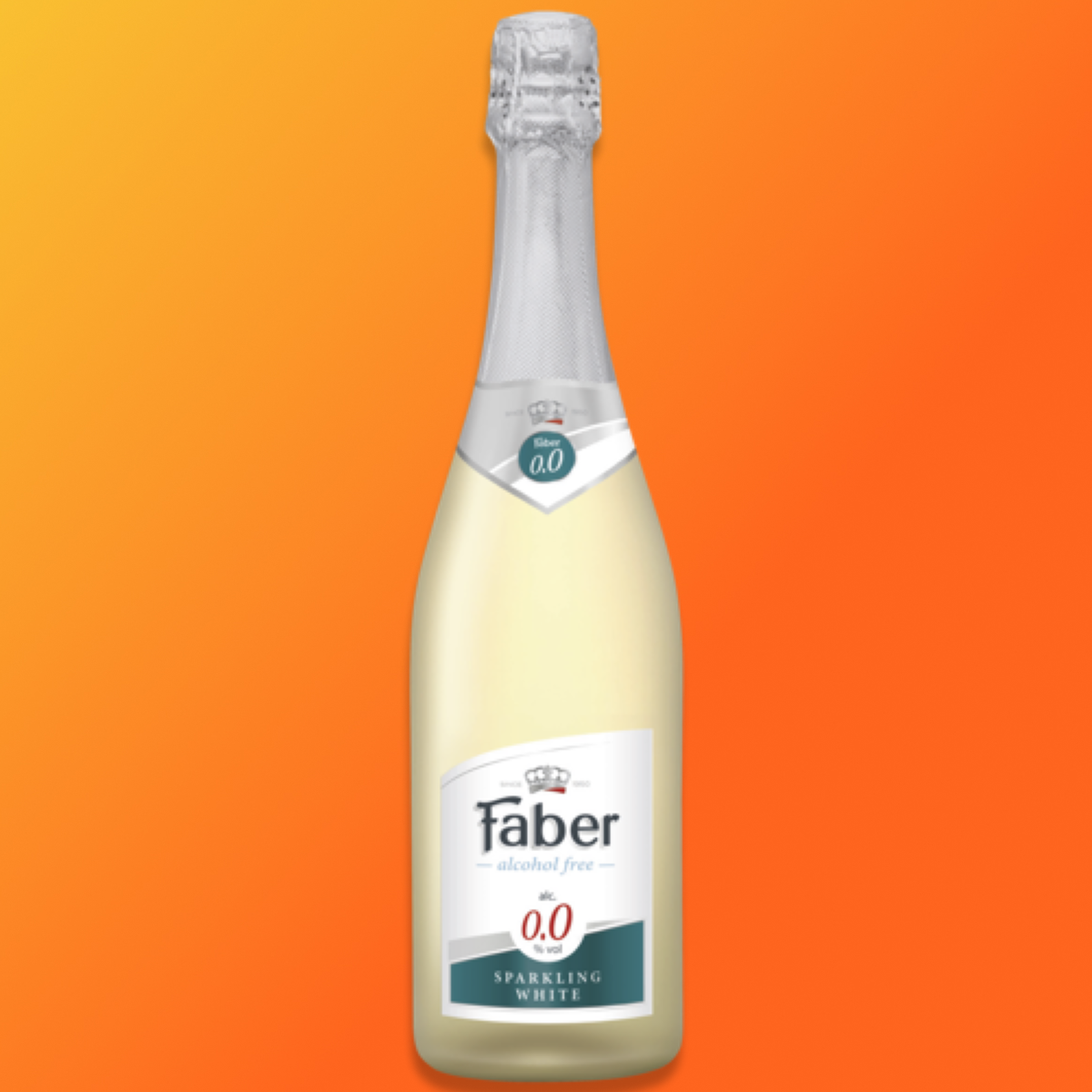
Prices as of November 26, 2026, as provided by Gall & Gall. You can see the current price and stock at Gall & Gall. Glazen.nl receives a small commission if you buy something through these links; you pay nothing extra. No 18, no alcohol.