Alsace
Alsace lies in northeastern France, along the German border. It is a white wine region: riesling, pinot gris, gewürztraminer, pinot blanc, and muscat. Unlike the rest of France, the grape is simply listed on the label here, on a tall, slender bottle.


Wine from Alsace, by grape
In Alsace, you choose a wine by the grape. We have a dedicated page for four of the most important grapes.
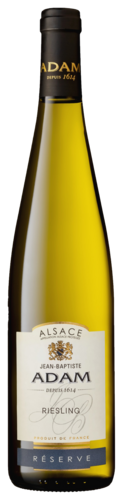
Riesling
Dry, mineral, and with plenty of fresh acidity. In Alsace, usually fuller and drier than in Germany.
About riesling →
Gewürztraminer
The most perfumed white wine there is, full-bodied and rounded, and often with a hint of sweetness.
About gewürztraminer →
Pinot gris
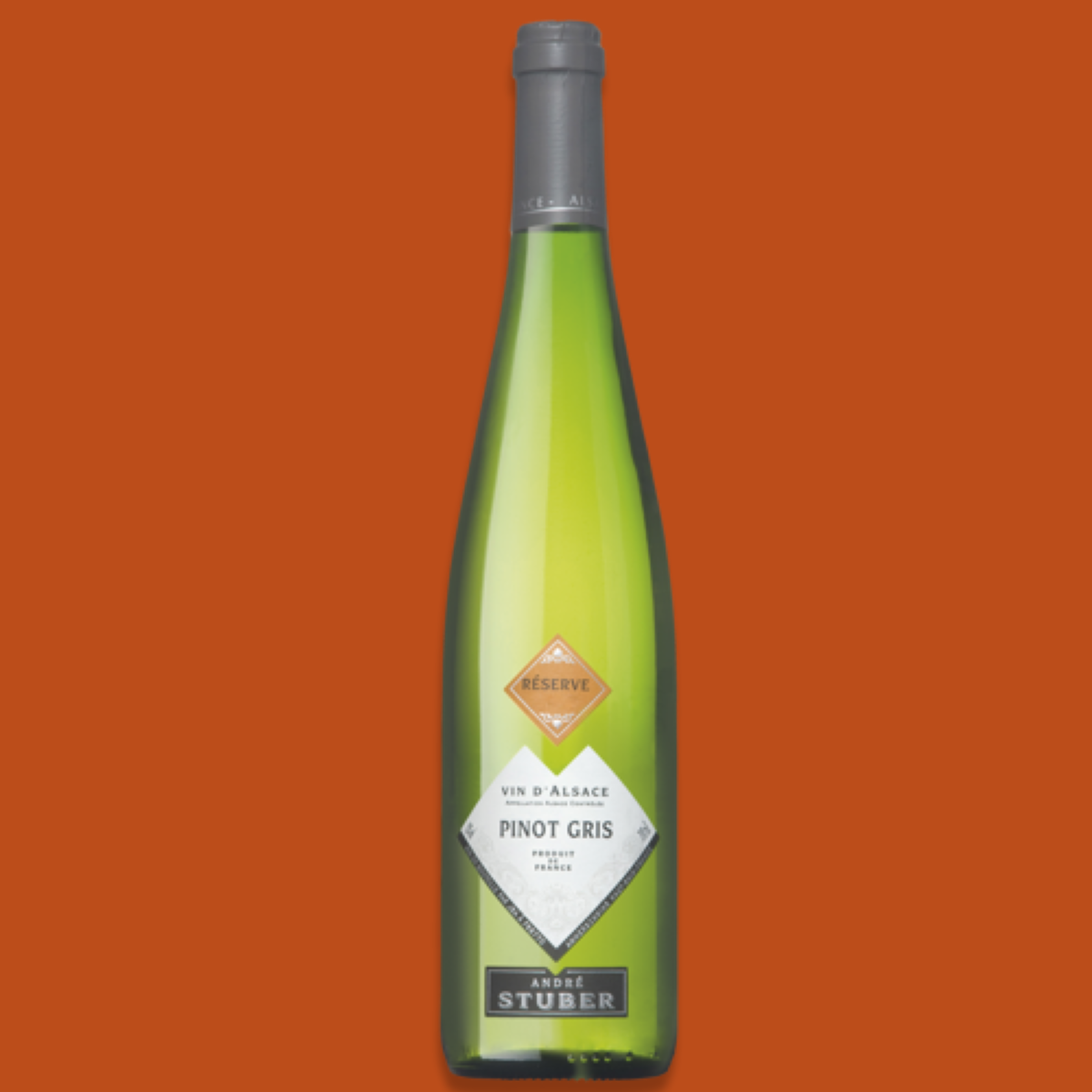
Light and fresh in Italy, full-bodied, spicy, and ripe in Alsace. Read how the same grape can taste so different.
About pinot grigio →
Pinot blanc
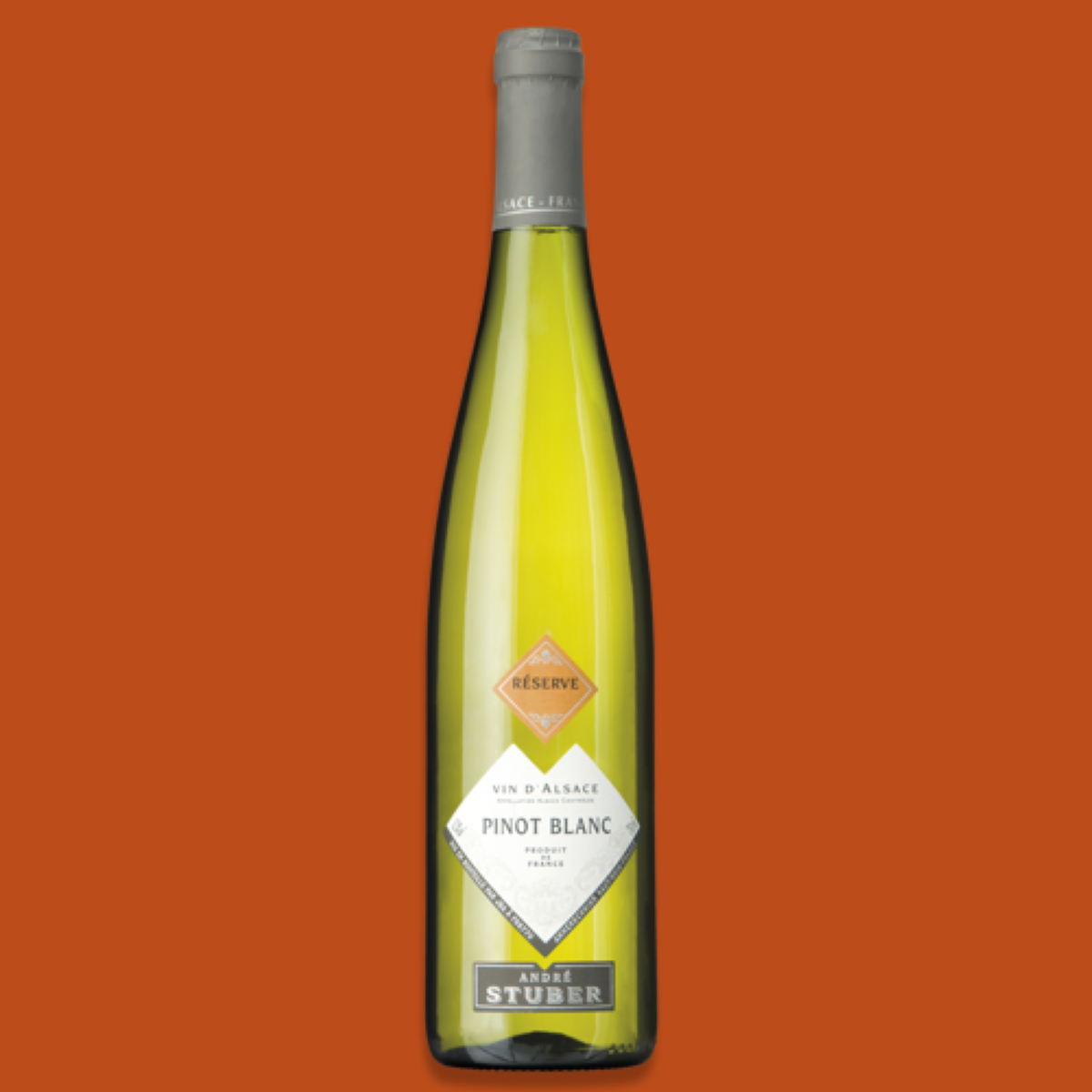
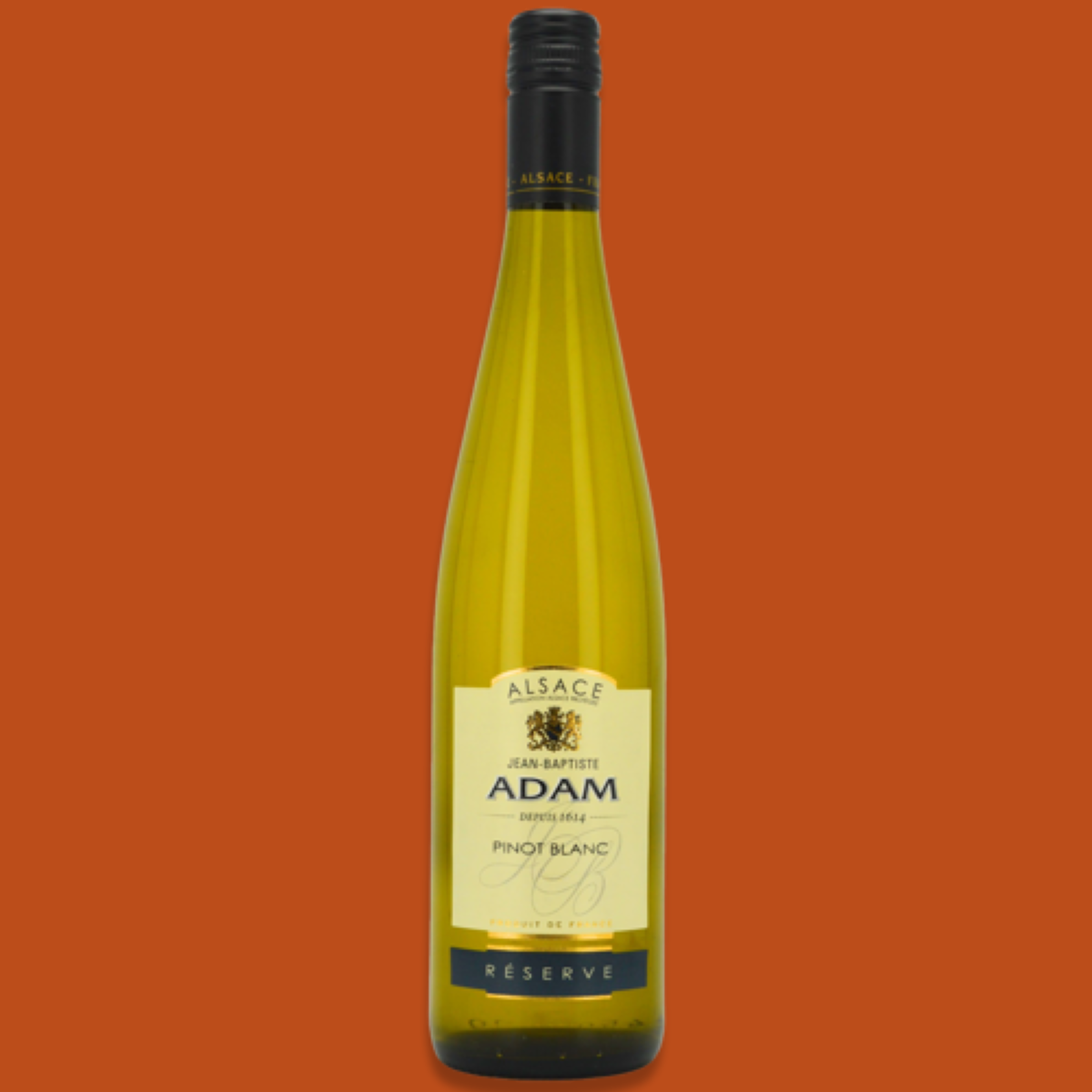
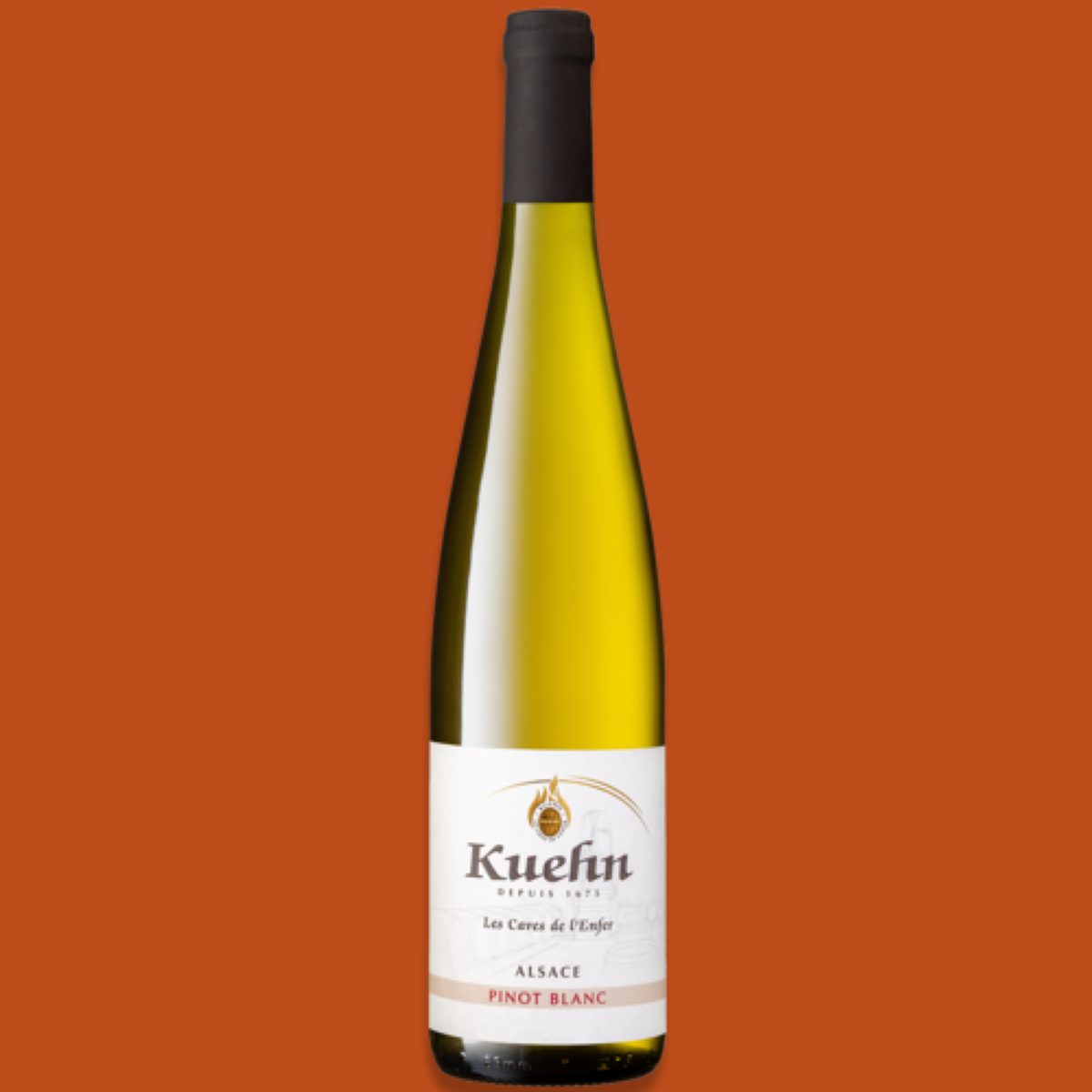
The easiest white wine from Alsace: soft, fruity, and a good match for many dishes.
About pinot blanc →French with a German accent
Alsace is a narrow strip of land between the Vosges and the Rhine, with Strasbourg in the north and Colmar in the middle. Throughout history, the region has changed hands between France and Germany several times. You can see this in the villages with their half-timbered houses, the German names of the wineries, and the grape varieties, which are also found in Germany. The vineyards lie on the eastern slopes of the Vosges, along the Route des Vins. The mountains block much of the rain, making the region sunny and dry. The grapes ripen slowly and fully, resulting in wines with ripe fruit and fresh acidity.
Almost all wine from Alsace is white, and almost always made from a single grape. The name appears on the label: Riesling, pinot gris, gewürztraminer, muscat, pinot blanc, or sylvaner. The only dark-skinned grape is pinot noir, used for light red wine and rosé. A blend of several grapes is called edelzwicker or gentil. The best vineyards can put grand cru on the label, along with the vineyard's name. After a warm autumn, winemakers also make sweet wine: vendanges tardives from late-harvested grapes, and sélection de grains nobles from grapes affected by noble rot. The region also produces plenty of sparkling crémant d'Alsace. Note: an Alsace wine can be dry, but can also have a touch of sweetness. This isn't always clearly stated on the label.
At a glance
Seven bottles, from Riesling to vendanges tardives
We start with crisp, dry wines and move up to full-bodied and aromatic. Then comes the region's only red grape and a sweet wine made from late-harvested grapes.

Adam Riesling Pur-Granite
Riesling from granite soil. Lemon and grapefruit, followed by apple and pear, with a distinct aroma of wet stones.
Trimbach Riesling Réserve
A richer style of Riesling, fruity and ripe, yet dry and balanced. Typical of this estate's crisp style.
Trimbach Pinot Blanc
Approachable, subtle, and refreshing, with low acidity. Yellow apple and ripe pear.

Adam Pinot Gris Réserve
Spicy and full-bodied, with tropical fruit and a slightly smoky note. A good example of how different Pinot Gris tastes in Alsace.

Trimbach Gewürztraminer
Aromatic and spicy, with lychee, rose petals, honey and a hint of curry. You’ll either love it or you won’t.

Trimbach Pinot Noir Réserve
Elegant, fruity and smooth red wine made from Alsace’s only blue grape. Strawberry, raspberry and earthy notes.

Adam Pinot Gris Vendanges Tardives
Sweet Pinot Gris made from grapes left on the vine for extra time. This means the grapes have more sugar.
What makes Alsace Riesling different from German Riesling, and what about its sweetness? Find out on our Riesling page.
Ripe Fruit, Flowers and Spices
From Lemon to Lychee
Riesling smells of lemon, lime, green apple and wet stone. Pinot Gris smells of pear, peach and a little smoke. Gewürztraminer is the most exuberant, with lychee, roses and spices. Muscat smells just like fresh grapes.
Full and Ripe
Alsace wine is fuller-bodied than most white wine from northern France. Riesling remains crisp and fresh, while Pinot Gris and Gewürztraminer are round and creamy, sometimes with a hint of sweetness. Pinot Blanc falls somewhere in between.
Long and Spicy
A good Riesling finishes fresh and mineral. Pinot Gris and Gewürztraminer have a longer, warm finish with a spicy note, which can be slightly bitter in Gewürztraminer.
Flavor profile of a typical Alsace Riesling. Gewürztraminer or Pinot Gris scores higher in sweetness and body and lower in freshness; a Vendanges Tardives is truly sweet.
How to Serve Alsace Wine
Chill light white wines, serve fuller-bodied whites a little warmer, serve Pinot Noir slightly chilled and sweet wine in a small glass.
White Wine at 8 to 12 Degrees
Serve Pinot Blanc, Muscat and Riesling at 8 to 10 degrees. Pinot Gris and Gewürztraminer are fuller-bodied and can be served a little warmer, around 10 to 12 degrees. If they’re too cold, you’ll barely smell the flowers and spices. Take the bottle out of the fridge 15 minutes before serving.
More about wine temperature →Pinot Noir Slightly Chilled
Pinot noir from Alsace is a light, fruity red wine. Serve it at around 14 degrees, so chill it in the fridge for half an hour. This keeps the red fruit flavors fresh. At room temperature, it quickly goes flat.
More about pinot noir →Let it age or give it some air
A good riesling or grand cru can age for years, developing notes of honey and sometimes a hint of petrol. A young, full-bodied grand cru benefits from 15 minutes of air in a decanter. Serve sweet vendanges tardives chilled, in small pours.
More about decanting →Alsace wine at the table
Alsatian cuisine is hearty: sauerkraut, pork, flammkuchen, and strong cheese. The region’s white wines are full-bodied enough to stand up to these dishes. They’re also a good choice with spicy Asian food.
Sauerkraut and fish
Riesling is the classic pairing for choucroute, sauerkraut with sausage and bacon. It also goes well with fish, shellfish, white meat, and cheese fondue.
Flammkuchen and asparagus
Pinot blanc is delicious with flammkuchen, quiche, and other egg dishes. Pinot blanc and dry muscat also pair well with asparagus, a tricky vegetable for many other wines.
Spicy and Asian
Thanks to their full-bodied character and sometimes a hint of sweetness, pinot gris and gewürztraminer pair well with mildly spicy Asian dishes, curry, and satay. Gewürztraminer with Münster cheese is a regional classic.
Mushrooms and foie gras
Pinot noir pairs well with mushrooms, poultry, and charcuterie. Serve a vendanges tardives or sélection de grains nobles with foie gras, blue cheese, or a fruit dessert.
The right glass for Alsace wine
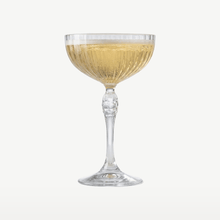
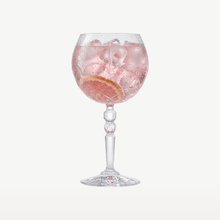
Drink riesling and pinot blanc from a medium-sized white wine glass. Aromatic wines like gewürztraminer and pinot gris benefit from a larger bowl, allowing their aromas to develop. Serve sweet wine in a small glass. These are the glasses we recommend ourselves.


Everything you still wanted to know about Alsace wine
Didn't find your question? Learn more about wine and food, or get in touch.
Explore wine and food pairings →What is Alsace wine?
Which grapes are grown in Alsace?
Is wine from Alsace dry or sweet?
How much alcohol is in Alsace wine?
What’s the difference between pinot gris and pinot grigio?
What food goes with Alsace wine?
Buy wine from Alsace
Want the bottle delivered straight to your door? Order wine from Alsace online at Gall & Gall. Gall & Gall has 31.
Prices as of November 22, 2026, as provided by Gall & Gall. You can check the current price and stock at Gall & Gall. Glazen.nl receives a small commission if you buy something through these links; it costs you nothing extra. No 18, no alcohol.