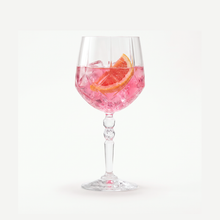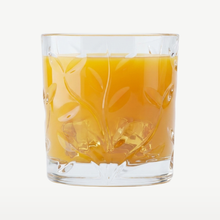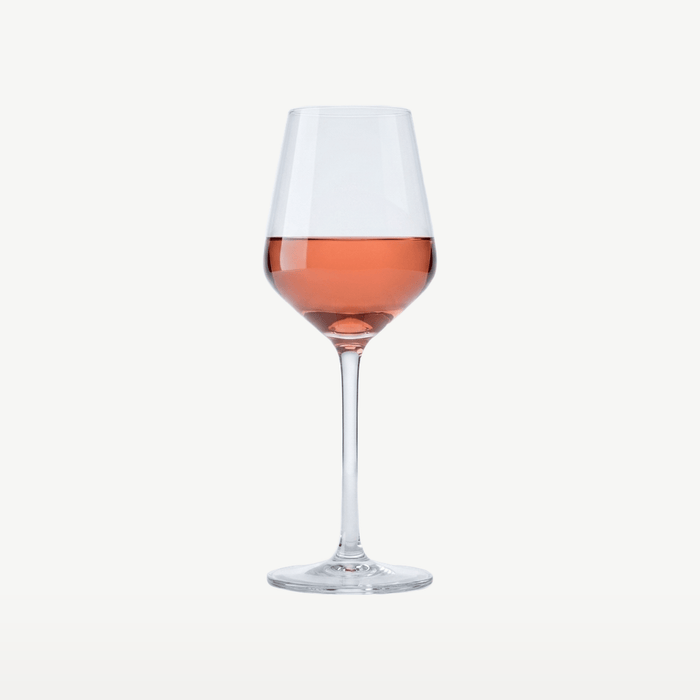
Royal Leerdam Carre Wine Glass 28 Cl - 6 Pieces
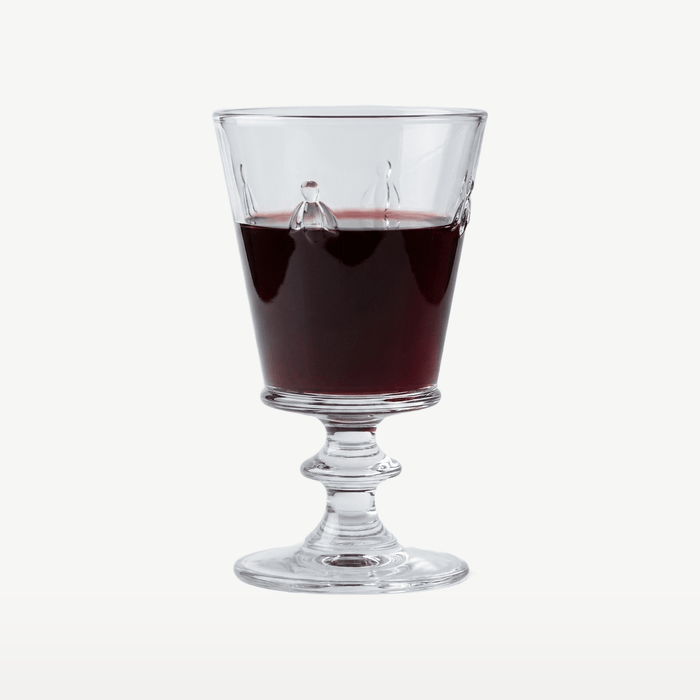
La Rochère Abeille Wine Glass 24 cl - 6 Pieces
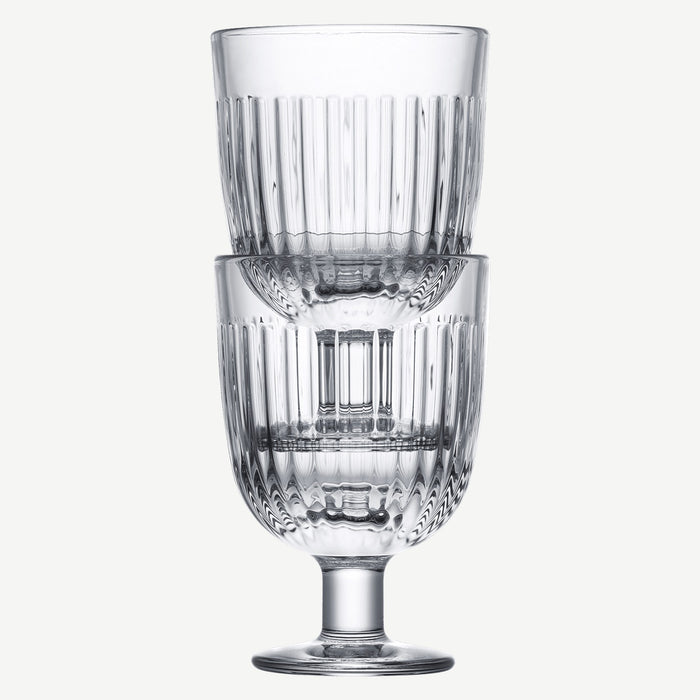
La Rochère Ouessant Stackable Wine Glass 22 Cl - 6 Pieces
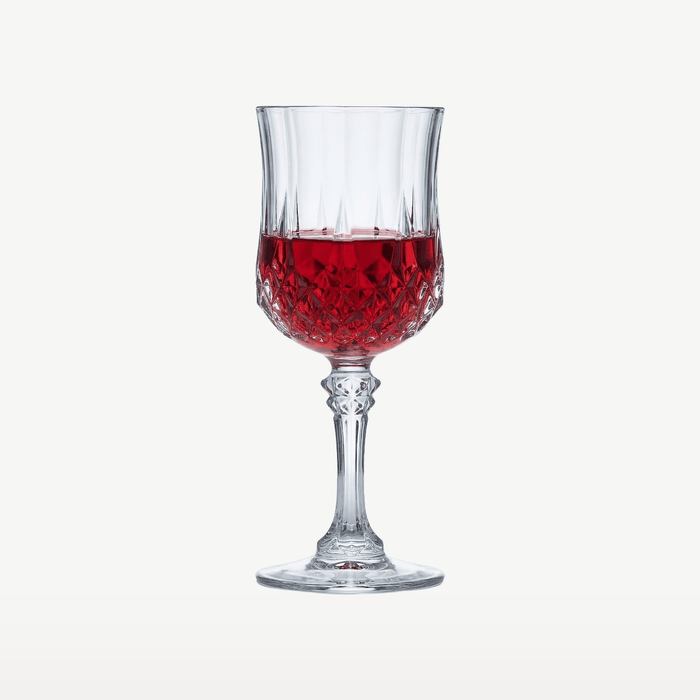
Eclat Longchamp Wine Glass 25 Cl - 6 Pieces

How to pour
a riesling in
Put the bottle in the fridge for about three hours, so the wine reaches 8 to 10 degrees. A sweeter riesling can be served at the lower end of that range, a dry one at the upper end. Serving either ice-cold masks the aroma.
Many rieslings have a screw cap, precisely because the wine depends on its freshness. If it has a cork, cut around the capsule below the lip of the neck, place the spiral in the center of the cork and turn it straight down.
Decanting isn't necessary. Riesling's acidity and aroma will come through on their own, and extra air adds little. Do put the bottle in an ice bucket with water and ice beside the table; temperature matters more with this wine than aeration.
Pour until the glass is about one-third full. The space above leaves room for the aroma, which is a big part of the story with riesling, and having less in the glass keeps the wine cool. Top up with a small amount more often.
What did you think of this guide?
One click on a star is all it takes. If you'd like to add a comment, we'll review it before it appears here.
Save this page
Send this page to your own email so you have the information handy when it's time to pour. You'll also get a €5 discount code on orders of €50 or more for the matching glasses.
The story
Riesling is associated with Germany's cool wine regions. Along the Mosel, vines grow on steep slate slopes that catch the little sunlight and retain warmth; in the Rheingau and the Pfalz, the climate is milder and the wines fuller. Because the grape ripens late and retains its acidity, a winemaker can choose: harvest early and ferment it dry, or wait and leave some of the sugar in the wine. That choice is the whole story of Riesling. Outside Germany, it is grown mainly in Alsace and Austria, where it is usually made dry.
The right glass
Riesling is best enjoyed from a glass with a narrow bowl. The wine needs little air and plenty of coolness: the less surface area exposed to the air, the longer its temperature and acidity hold up. A narrow bowl also directs the floral and citrus notes more directly to your nose, while a wide bowl lets them spread out. See the white wine glasses for sizes; if the bottle stays on the table, a wine cooler is just as important.

Luigi Bormioli Grandioso Wine Glass 37 cl Sauvignon-Riesling (6 pieces)

Schott Zwiesel Classico White Wine Glass 31.2 cl (6 pieces)
Both sets together € 96,90.
The right tools
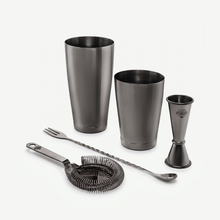
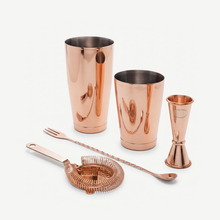
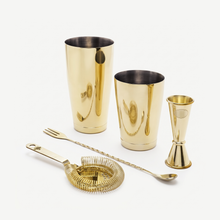
For Riesling, besides a glass, you mainly need a corkscrew, although many Rieslings have screw caps, and a wine cooler to keep the bottle at the right temperature. The bar tools below come in handy when the wine goes into a spritz: a bar spoon for stirring and a jigger for measuring. These are the bar tools we use ourselves; you can find everything in our bar tools & cocktail sets.


Glass set (our pick 01) + 2 bar tools together € 74,85.
What should you serve alongside it?
Riesling comes in so many styles that it can carry an entire meal, but usually there’s more on the table. These are the wines to enjoy alongside or afterward, from a glass of crémant beforehand to a moscato with dessert. Each drinks page tells you the alcohol percentage, what it tastes like, which cocktails it works in, and which glass you need.


Variations & twists
The range is on the label. Trocken means dry, halbtrocken means off-dry, and feinherb is not a legally defined term but is used for wines that are a little sweeter than halbtrocken. The Prädikat classification also runs from Kabinett through Spätlese and Auslese to Beerenauslese, Trockenbeerenauslese, and Eiswein. These terms indicate how ripe the grapes were at harvest, not necessarily how sweet the wine is: a Spätlese can be trocken. Want to read more? Browse all drinks and brands.
Serving tip
Serve at 8 to 10 degrees and keep the bottle in a cooler. Riesling is the wine that beats red wine with spicy Asian food: its residual sweetness tempers the heat of chili, and its acidity cuts through fat, while the tannins in red wine intensify the heat. It also pairs well with pork, smoked fish, and dishes with ginger or lemongrass.
Good to know
What trocken, halbtrocken and feinherb mean
Trocken means dry: almost no sugar remains in the wine. Halbtrocken means off-dry, with a noticeable but limited amount of residual sweetness. Feinherb isn’t a legally defined term; producers use it for wines that taste just a little sweeter than halbtrocken. If none of these terms appears on the label, the wine could be anywhere on the spectrum, and the Prädikat tells you more.
The Prädikat categories from Kabinett to Eiswein
Kabinett, Spätlese, Auslese, Beerenauslese, Trockenbeerenauslese and Eiswein are ranked according to how ripe the grapes were at harvest, measured by the sugar content of the juice. Kabinett is the lightest; Auslese is made from selected ripe bunches, while Beerenauslese and Trockenbeerenauslese are made from individually selected, raisined berries. Eiswein is harvested and pressed while the grapes are frozen on the vine. Higher categories usually mean sweeter wines, but dry Spätlese certainly exists.
Acidity balancing residual sweetness
Riesling naturally retains a lot of acidity. When sugar remains in the wine, it balances that acidity, so the wine tastes crisp rather than syrupy. This same combination makes Riesling age-worthy: acidity and sugar both act as preservatives, allowing good bottles to last for years or even decades.
The petrol note that develops with age
Older Riesling can smell of petroleum or kerosene. That may sound strange, but it’s a well-known and appreciated characteristic of the grape, caused by an aromatic compound that develops as the wine ages in the bottle. Young Riesling has little or none of this note, and how pronounced it becomes varies by bottle and region.
How much alcohol it contains
It varies considerably. A light Mosel Riesling with residual sweetness is often roughly 7.5 to 9 percent alcohol, because some of the sugar hasn’t fermented. Dry Riesling from the Pfalz, Alsace or Austria is usually roughly 11.5 to 13 percent. The percentage is shown on the label.
Frequently asked questions
Is Riesling sweet or dry?
Both, and everything in between. That’s what makes this grape distinctive. German labels use trocken for dry, halbtrocken for off-dry and feinherb for slightly sweeter than off-dry. The Prädikat categories, from Kabinett to Eiswein, indicate how ripe the grapes were; higher categories are usually sweeter, but not always.
Where does Riesling come from?
Riesling is a German grape variety. Its best-known regions are the Mosel, Rheingau and Pfalz. Outside Germany, it is grown mainly in Alsace and Austria, where it is usually made dry. Mosel Riesling is the lightest in alcohol, while Pfalz and Alsace produce fuller-bodied wines.
At what temperature and in what glass should you serve Riesling?
At 8 to 10 degrees, in a glass with a narrow bowl. The narrow shape keeps the wine cool and directs its floral and citrus notes to your nose. A wide Burgundy glass lets the aromas disperse and the wine warm up faster.
Why does Riesling pair well with spicy Asian food?
The residual sweetness offsets the heat of chili, while the high acidity cuts through rich or sweet sauces. Tannins in red wine do the opposite, making a spicy dish even hotter. That's why a halbtrocken or feinherb Riesling often works better with Thai, Indian, or Sichuan food than red wine.
Also delicious
Buy Riesling
Want the bottle delivered straight to your door? Order Riesling online at Gall & Gall. Gall & Gall has 33, including 1 on sale.
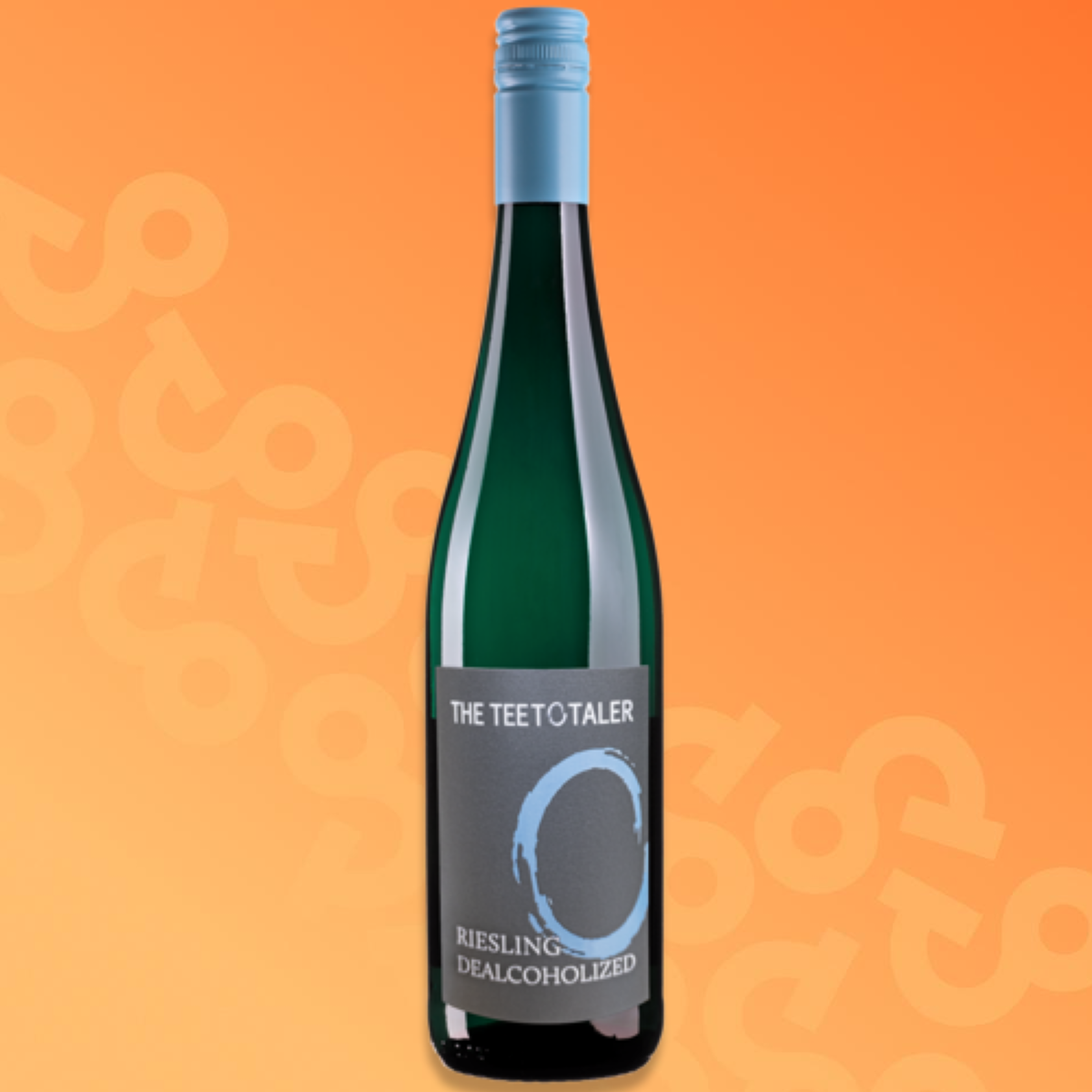
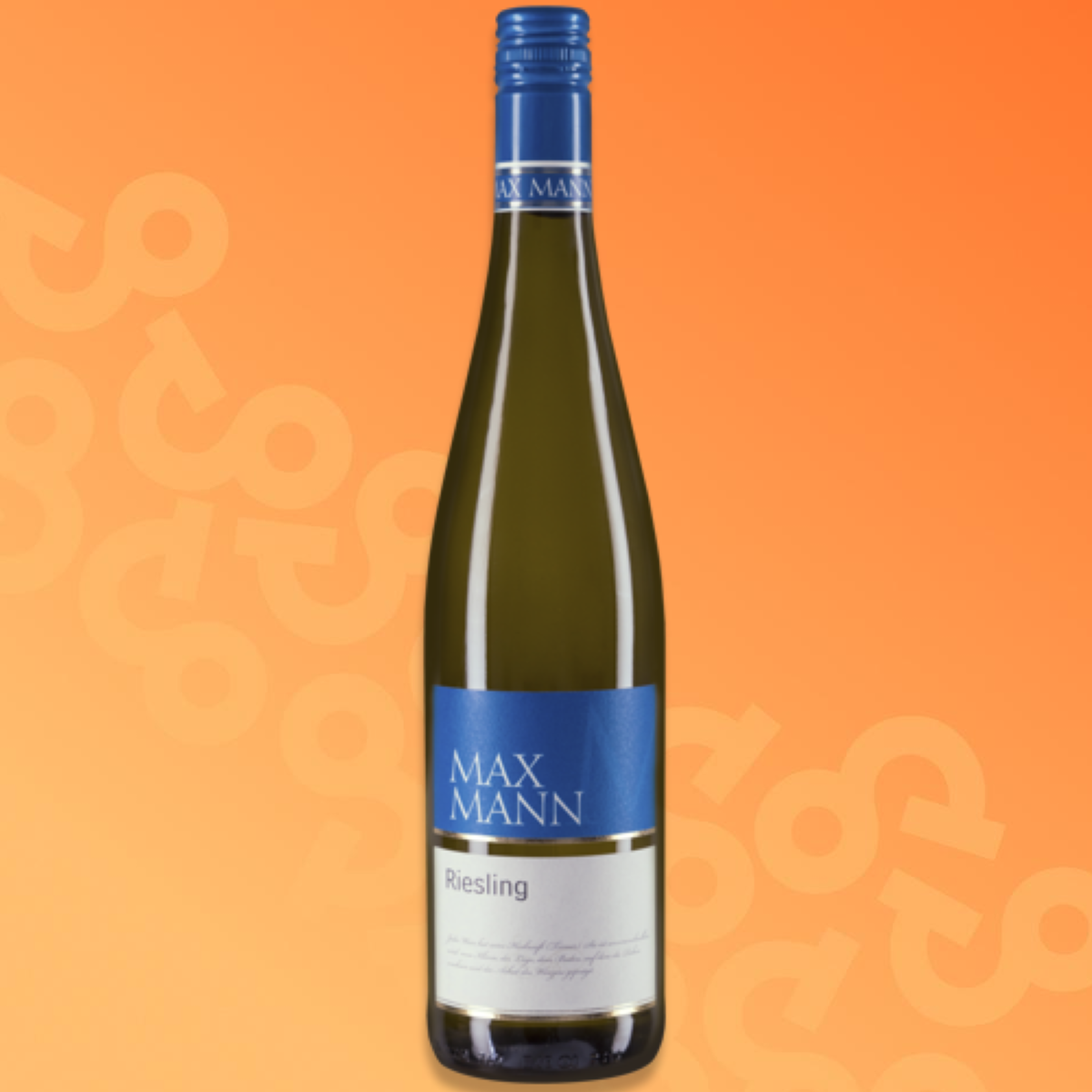
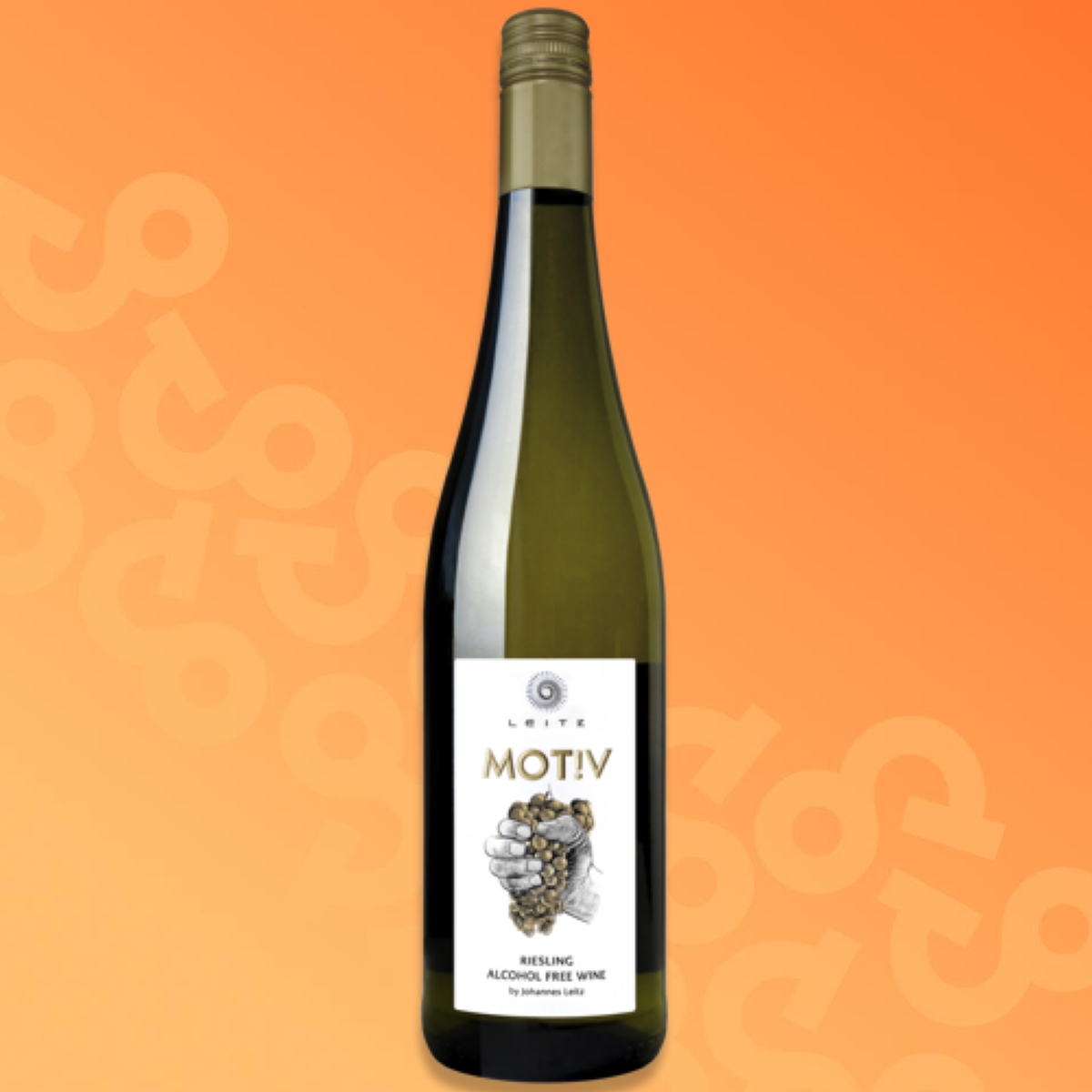
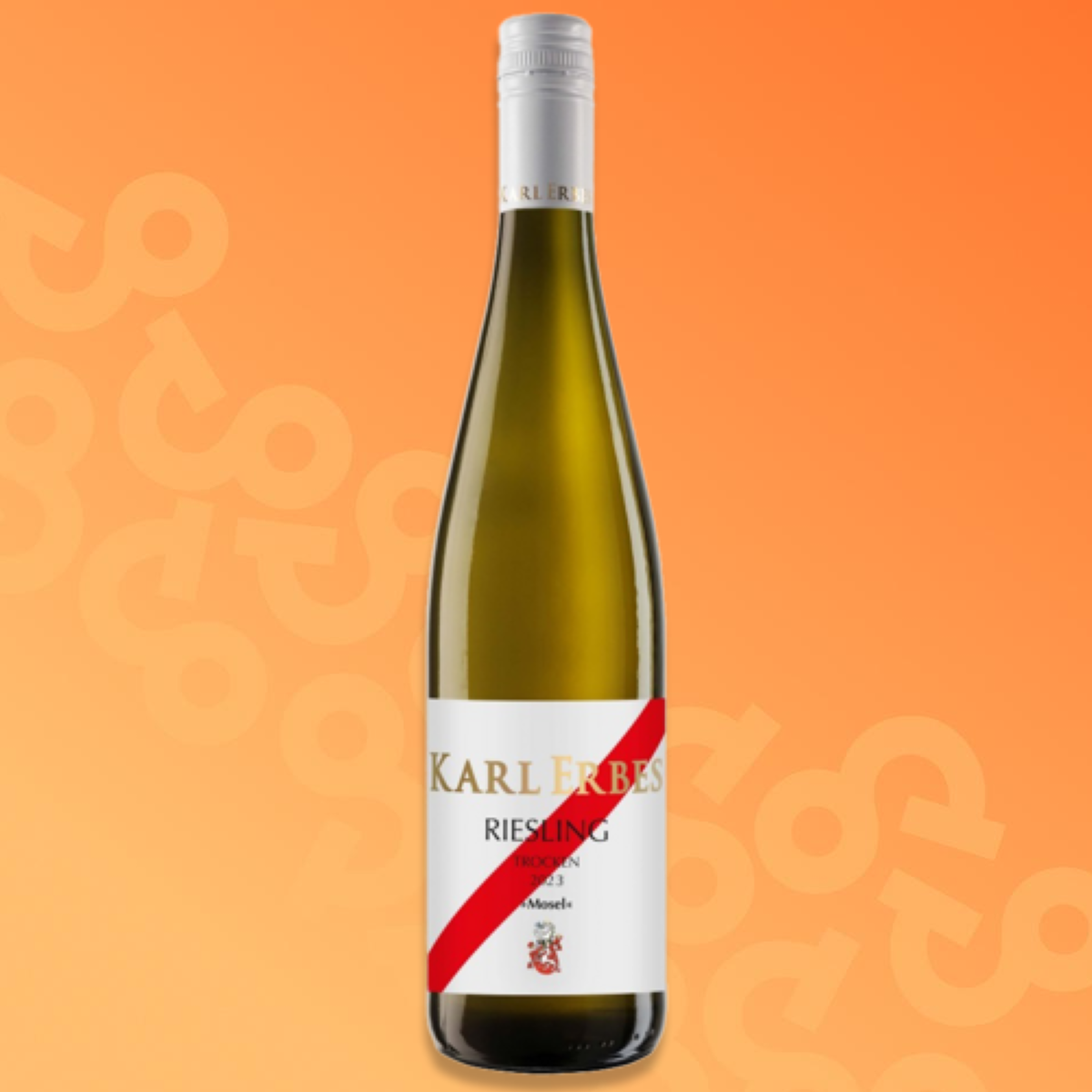
Prices as of November 20, 2026, as provided by Gall & Gall. You can check the current price and availability at Gall & Gall. Glazen.nl receives a small commission if you buy something through these links; it won't cost you anything extra. No alcohol for under-18s.
Everything for your bar,
at one address
Catering-quality glasses, sold in sets. Order today and get them delivered quickly.
Shop for glasses →