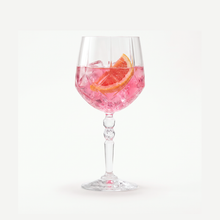
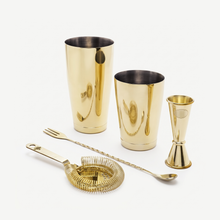
La Rochère Abeille Coupe 20 cl - 6 Pieces
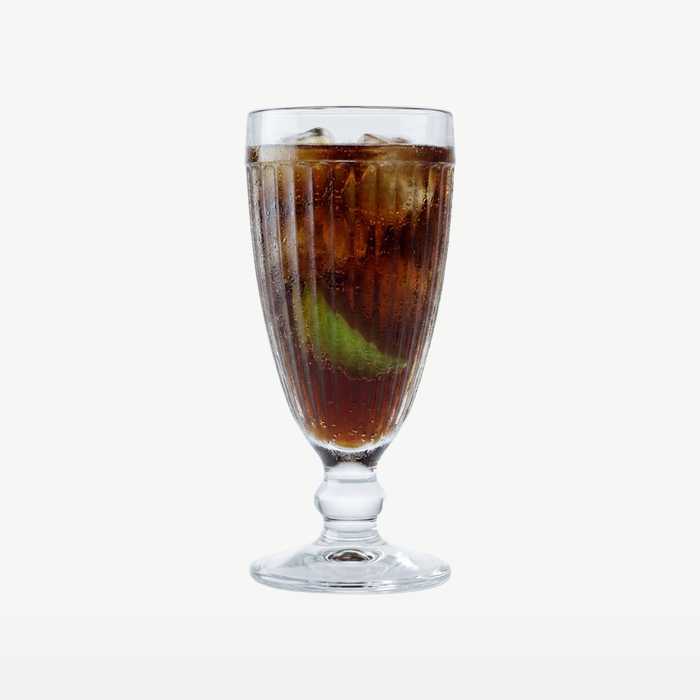
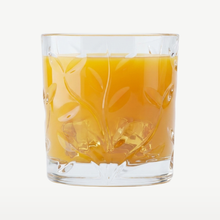
La Rochère Antillaise Iced Tea Glass 29 cl - 6 Pieces
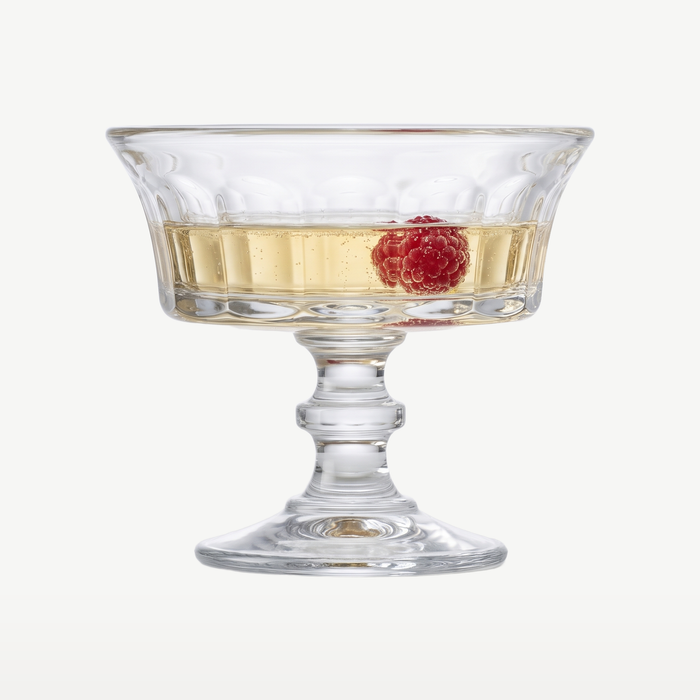
La Rochère Perigord Coupe 22 Cl - 6 Pieces
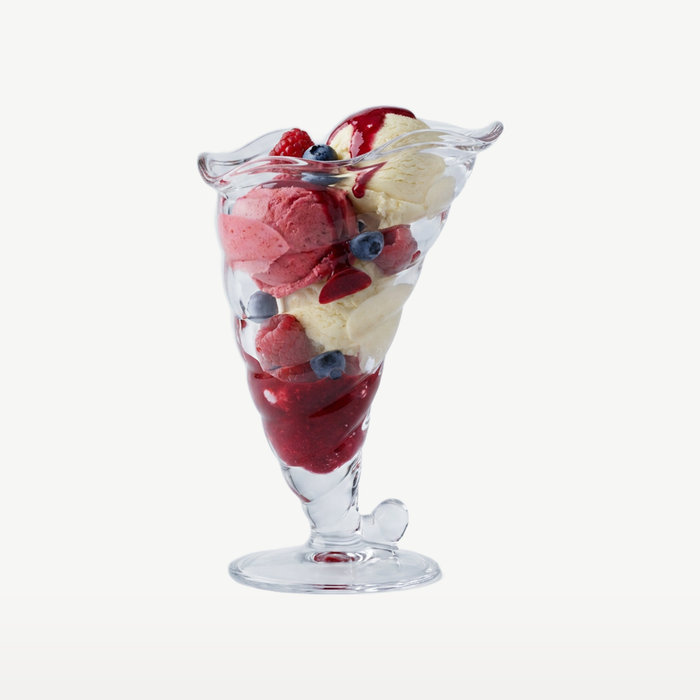
Bormioli Rocco Fortuna Iced Tea Glass 32 Cl - 6 Pieces

The Knickerbocker glory recipe
for your table
Prepare the jelly according to the instructions on the package and pour it into the tall glass, filling it about a third of the way. Chill the glass for at least four hours, until the layer is completely set. Let the jelly set in the glass instead of cutting it into cubes later: cut jelly sinks between the ice cream, hiding the bottom layer.
Cut the fruit into small pieces, pat it dry, and layer it over the chilled jelly. Then put the glass back in the refrigerator until it’s time to add the ice cream. The jelly should be cold and feel firm when pressed with a spoon; the ice cream will sink straight through if the layer is only partly set.
Scoop the three balls of ice cream onto the fruit, one by one and snug against the side of the glass, so they remain visible from the outside as three separate scoops. Work quickly and keep the ice cream firm: assembling it in a tall glass takes longer than in a coupe, and soft ice cream will collapse along the way.
Spoon or pipe the softly whipped cream on top, right above the rim, and tuck the wafer in last. Add the wafer at the end because it stays crisp for a few minutes in the dry cream, but softens within a minute between the wet layers. Serve with a long spoon and take the glass straight to the table.
What did you think of this recipe?
One click on a star is all it takes. If you’d like to add a comment, we’ll review it before it appears here.
Save this recipe
Send the knickerbocker glory recipe to your own email, so you’ll have it handy when you’re ready to make it. You’ll also get a €5 discount code for orders over €50, to use on the glasses it calls for.
The story
According to the usual explanation, the name refers to the Knickerbockers, the old name for New Yorkers of Dutch descent; the word long stood for a Dutch-American style before later appearing in the name of this ice cream dessert. Stories differ about exactly how and where the dish originated, so anyone who names a year or an establishment is sharing an anecdote. What is certain is where it belongs: on British menus, knickerbocker glory has been among the desserts for generations, and it is still served there in the same absurdly tall glass, with a spoon whose handle is almost as long as the glass.
The right glass
With a knickerbocker glory, the glass is the dessert. Before you begin, all you see of it are the layers behind the glass: the colored jelly at the bottom, the fruit, three scoops of ice cream and the whipped cream rising above the rim. That calls for clear glass, height and a bowl that isn't too wide, because in a broad bowl the layers run together and you only see the top one. A stem helps in two ways: you hold the glass by the stem, keeping the warmth of your hand away from the ice cream, and the layers are raised to eye level. The classic knickerbocker glass, a straight-sided conical bowl holding almost half a liter, isn't in our range; these two come closest. The first is listed as 21 cm high, 7.5 cm in diameter and with a 44 cl capacity, and its tapered bowl keeps the layers neatly stacked. The second is a size larger at 53 cl and, according to the description, is extra resistant to breakage at the foot and rim, exactly where a long spoon might knock against it. See more shapes for ice cream and dessert in the ice cream sundae glasses.

Royal Leerdam Hurricane Stemmed Cocktail Glass 44 cl (6 pieces)

Schott Zwiesel Bar Special Hurricane Glass 53 cl (4 pieces)
Both sets together € 84,90.
The right tools
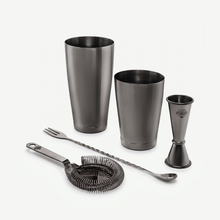
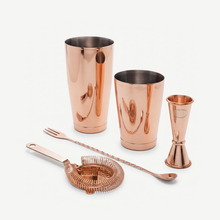
For a knickerbocker glory, besides the glass, you need a long bar spoon that reaches the bottom of the glass and a glass straw for the layer left at the bottom. These are the bar tools we use ourselves; find everything in our bar tools & cocktail sets.


Glass set (our pick 01) + 2 bar tools together € 74,85.
What should you serve with it?
A knickerbocker glory is naturally alcohol-free and quite sweet, so whatever you serve with it should be dry and refreshing. Bubbles do the job best: a glass of prosecco, a cava or a crémant cuts through the whipped cream, while those who want to carry the sweetness through can choose moscato. Each drink page tells you the alcohol percentage, what it tastes like, which cocktails it pairs with and what glass you need.


Variations & twists
You can swap out any layer: peach with raspberry, mango with passion fruit, or just strawberry if you want to keep it simple. A layer of crumbled meringue between the fruit and ice cream adds crunch that holds up against the wet layers, and if you’d rather not use jelly, you can build the same tower with thick fruit compote. Without jelly, though, it’s no longer a knickerbocker glory but an ordinary ice cream sundae, bringing you close to a dame blanche. Looking for more inspiration? Browse over 100 cocktail recipes.
Serving tip
Build the tower only once everyone is at the table, because the whipped cream sinks faster than you think and the scoops start melting from the jelly upward. Set out a long-handled spoon and a straw; a dessert spoon won’t even reach halfway down a glass over eight inches tall. Place the glass on a small plate to catch anything that spills over the rim.
Good to know
Why the jelly needs to set in the glass
Because cut jelly sinks. Cubes placed next to or between the scoops slide down past them at the first spoonful, leaving a pile at the bottom, separate from the rest. Let the jelly set in the glass and you’ll have a flat, firm base layer that supports the ice cream and remains visible from the outside as a distinct layer. So pour it into the empty glass first and place the glass upright in the fridge.
How cold should the jelly be, and how firm?
Fully set and chilled straight from the fridge, not lukewarm or half-set. Allow at least four hours for a layer a few centimeters thick, and overnight if you fill the glass higher. Press it with the back of a spoon: the layer should spring back without denting. If you put your ice cream on jelly that hasn’t set, the scoops will sink into it and the whole thing will collapse within a few minutes.
How to layer it from bottom to top
The order is jelly, fruit, ice cream, whipped cream, wafer, and there’s a reason it’s fixed. The heaviest and wettest ingredients go at the bottom, where they can’t sink. The fruit sits on the jelly and keeps the ice cream away from the wet layer. The scoops go on top, close to the sides, so you can count them through the glass. The whipped cream finishes it off, and the wafer goes in last, because it stays crisp in the whipped cream but turns soft within a minute between the layers.
The difference between a regular ice cream sundae and a sundae
A regular ice cream sundae is ice cream with whipped cream and something drizzled over it, served in a wide sundae glass. What sets a knickerbocker glory apart is the jelly at the bottom: without that layer, it isn’t a knickerbocker glory. A sundae, by contrast, is all about the sauce, poured warm or cold over the ice cream, and is usually served in a shorter glass or a bowl. In short: the knickerbocker has the jelly, the sundae has the sauce, and the height is part of the former.
Where the name comes from
The common explanation refers to the Knickerbockers, the old name for New Yorkers of Dutch descent. Stories about the dessert itself vary: there are different accounts of where and when it was first served this way, and none can be substantiated. What can be said is that it has been on British menus for generations as a dessert to enjoy at the table.
The long spoon isn’t just for show
In a glass over twenty centimeters tall, you can’t reach the jelly with a dessert spoon. You’re left with the top two layers and leave the bottom one untouched, and that’s exactly the layer that makes such a tall glass worthwhile. A bar spoon or a thirty-centimeter ice cream spoon reaches the bottom and fits through the narrow waist. A straw catches what melts at the bottom.
Frequently asked questions
What is a knickerbocker glory?
A British ice cream sundae in a tall, stemmed glass, built in layers: jelly at the bottom, fruit on top, then three scoops of ice cream, topped with whipped cream and a wafer. The dessert is all about its height and the layers you can see through the glass, not about one particular flavor. It’s served with a long spoon, because otherwise you can’t reach the bottom layer.
What’s the difference between a Knickerbocker Glory and a sundae?
The jelly and the sauce. A Knickerbocker Glory has a layer of set jelly at the bottom, beneath the fruit and ice cream, and is served in a tall glass. A sundae is all about the sauce poured over the ice cream and is usually served in a shorter glass or a bowl. Leave out the jelly, and you’re left with an ordinary ice cream sundae.
Does the jelly really need to set first?
Yes, and in the glass itself. A layer that hasn’t fully set won’t support the ice cream and will collapse as soon as the scoops are added. Diced jelly doesn’t work either: it sinks between the ice cream and disappears from view. So pour the jelly into the empty glass and leave it in the refrigerator for at least four hours.
What glass do you serve a Knickerbocker Glory in?
In a tall, clear stemmed glass, so all the layers remain visible from the side and your hand doesn’t surround the ice cream. The classic model is a straight, conical bowl holding almost half a liter. If you don’t have one, choose the tallest stemmed glass you have: a hurricane glass of just over forty centiliters comes closest, with a long spoon alongside.
Also delicious
Everything for your bar,
to one address
Food-service-quality glasses, sold in sets. Order today, delivered fast.
Shop the glasses →