Ripasso
Ripasso is a red wine from Valpolicella, the hills north of Verona. The wine undergoes a second fermentation on the skins left over from making Amarone. This makes a juicy Valpolicella fuller, warmer, and spicier. That’s why it’s also sometimes called baby Amarone.


Ripasso and its family
Ripasso sits right between two other wines from the same region. We have a dedicated page about those wines and the region they come from.

Valpolicella
The region’s base wine and the starting point for every Ripasso: fresh, with cherry notes and low tannins.
About Valpolicella →
Amarone
The heavyweight. The grapes are dried for months before they’re pressed, and their skins are then used for the Ripasso.
About Amarone →
Veneto
The region around Verona and Venice, known for Prosecco, Soave, Valpolicella, and Amarone.
About Veneto →
Red wine
The big picture on red wine: the grapes, oak aging, and the temperature to serve it at.
About red wine →Valpolicella that passes over the skins once more
Ripasso means something like “to pass through again,” and that is exactly what happens. First, the winemaker makes a regular Valpolicella from freshly harvested grapes. Meanwhile, Amarone is also made from grapes left to dry for months. Once the Amarone has been drawn off the skins, the skins remain, still full of sugar, color and flavor. The young Valpolicella is pumped over them. A second fermentation begins, giving the wine more alcohol, body and spice. Sometimes the skins from Recioto, the sweet wine from the same region, are also used.
Since 2010, Valpolicella Ripasso has had its own DOC, with its own regulations. The wine is made mainly from Corvina or Corvinone, complemented by Rondinella: the same red grapes used for Valpolicella and Amarone. Some producers still use Molinara too. A Ripasso must have at least 12.5% alcohol. If the label says Superiore, it must have at least 13% alcohol and the wine has aged longer. Pagus Bisano, for example, ages its regular Ripasso in wood for 12 months and its Superiore for 18 months. If the grapes come from the oldest, original part of the region, the bottle may also say Classico. The nickname “baby Amarone” is apt: Ripasso has some of Amarone’s richness, but is lighter and easier to drink.
In brief
Six bottles, from smooth to robust
Gall & Gall sells ten Ripassos. Below are the most important ones, from soft and smooth to complex and robust. Some are also available in another size: Pagus Bisano in a half bottle of 37.5 cl, Rocca Sveva and Zonin in a 1.5-liter magnum, and Zonin also in a gift pack.

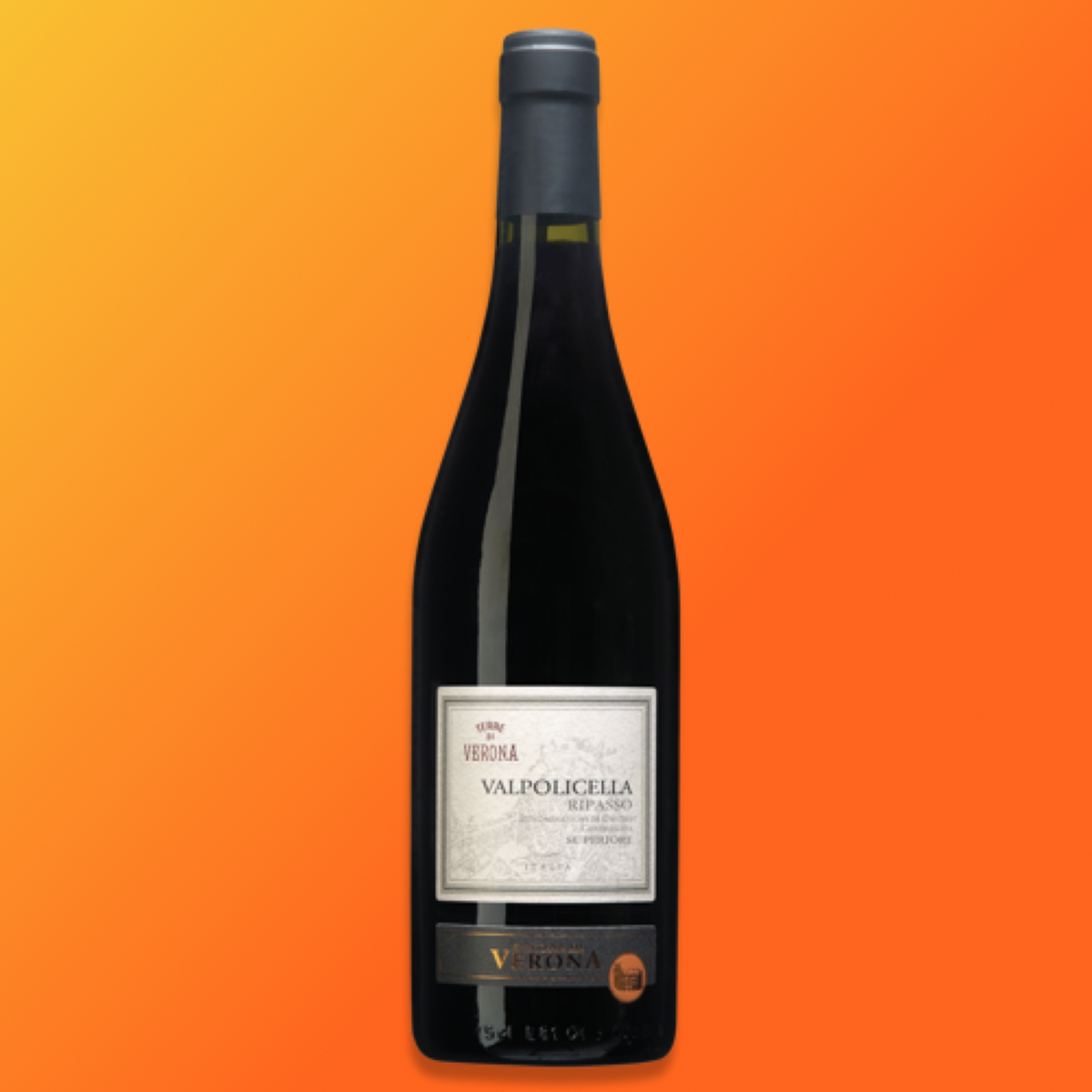
Cantina di Verona Valpolicella Ripasso
The regular Valpolicella undergoes a second fermentation here on the Amarone grape skins. This gives it more power while keeping the wine smooth.
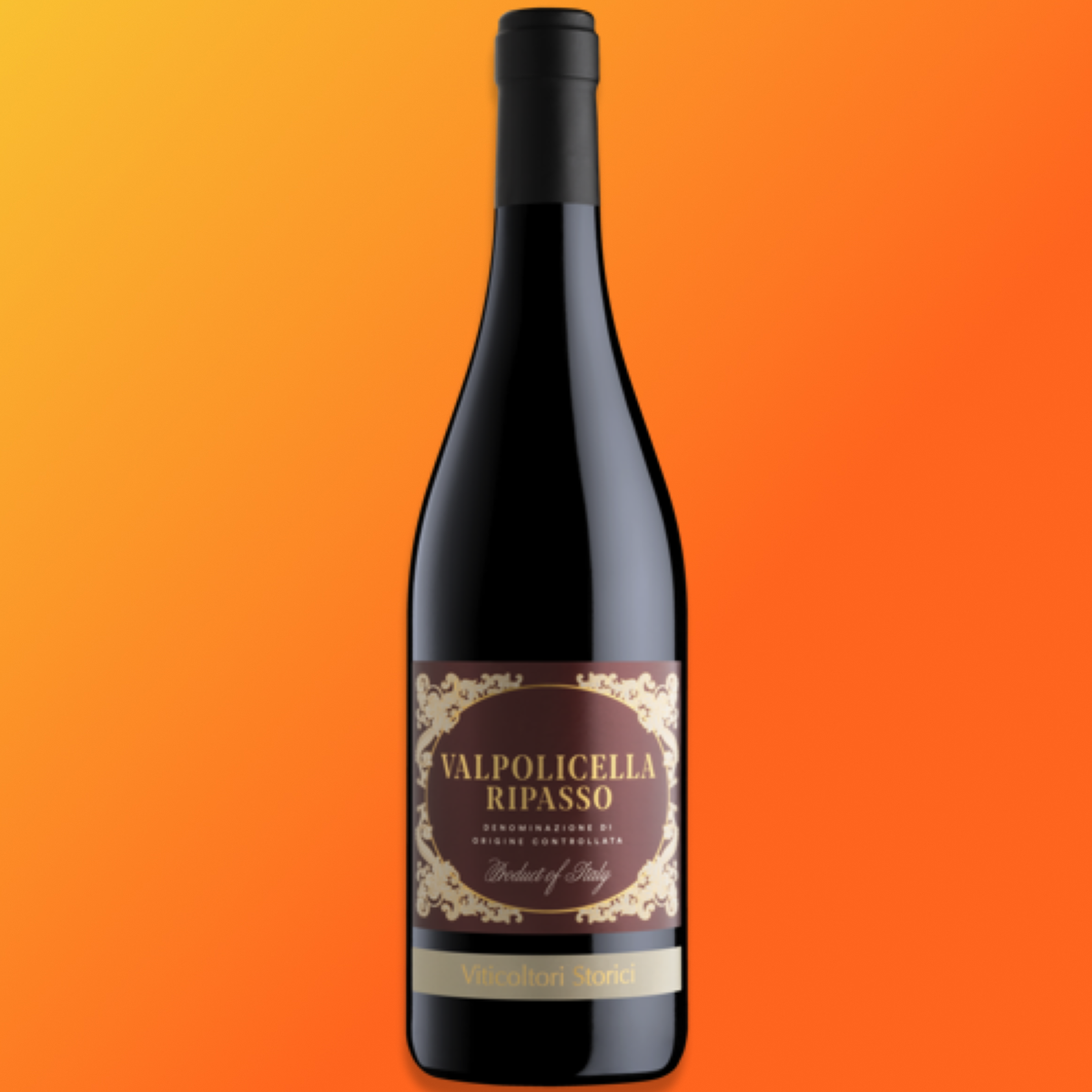
Viticoltori Storici Valpolicella Ripasso
One of Cantina di Verona's brands, specializing in wines from Valpolicella. Round and full-bodied, with the warmth you'd expect from a ripasso.

Pagus Bisano Ripasso Superiore
Corvina veronese and rondinella, aged in oak for 18 months. That's six months longer than this producer's regular ripasso.
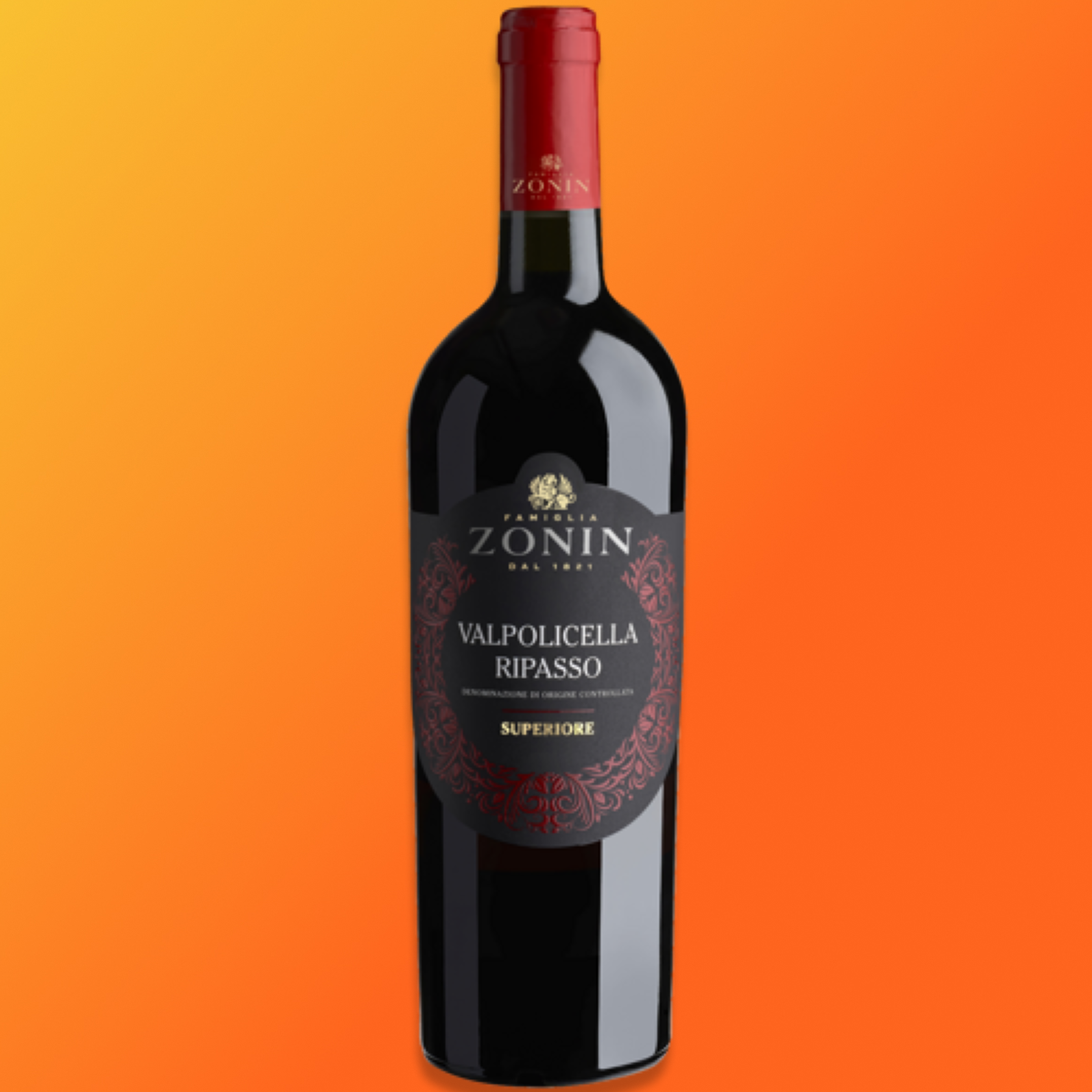
Zonin Ripasso Superiore
First, a fruity, aromatic wine is made from corvina, rondinella, and molinara. Four months later, it undergoes a second fermentation with amarone must.

Rocca Sveva Ripasso Superiore
The most powerful of the bunch, with cherries, blackberries, and vanilla. Also available in a 1.5-liter magnum.
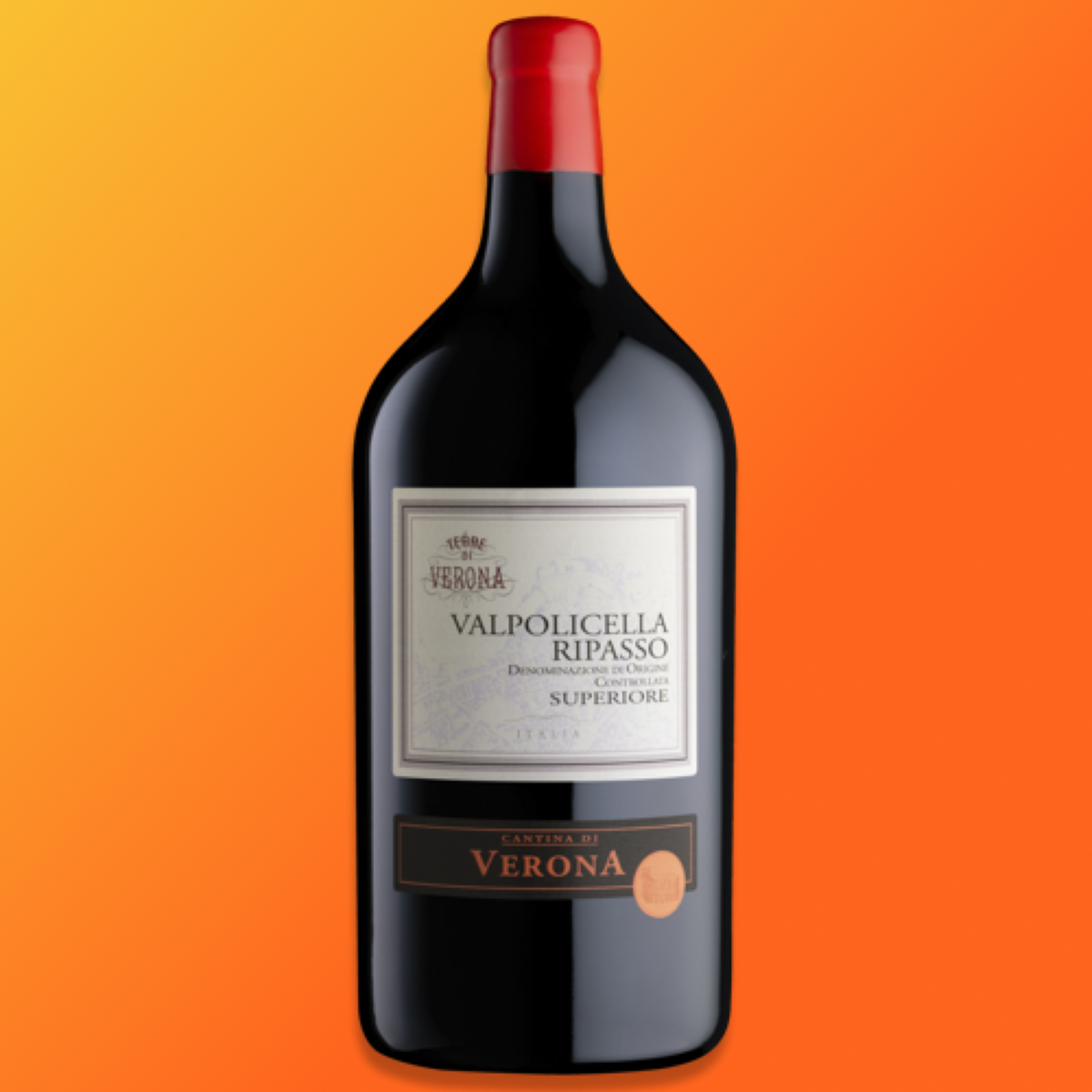
Cantina di Verona Ripasso 3 Liter
The same smooth ripasso in a 3-liter bottle, equivalent to four standard bottles. A showstopper for a long table.
Curious about the wine whose skins ripasso borrows? Amarone is made from dried grapes and is fuller, more powerful, and richer.
Ripe cherries with a warm, spicy side
Cherries & blackberries
Ripe cherries, blackberries, and plums, often with a hint of vanilla, cinnamon, or chocolate. A Superiore aged in oak for a long time has more noticeable spices on the nose.
Round and juicy
Fuller than valpolicella, with soft tannins and fresh acidity that keeps the wine lively. The second fermentation gives it a warm, rounded feel.
Medium-length and spicy
Dried fruit, licorice, and a few spices linger. Lighter than amarone, with clearly more depth than a young valpolicella.
Flavor profile of a typical ripasso. A Superiore scores a little higher on body, while a regular ripasso scores a little higher on fruitiness.
How to serve ripasso
Just below room temperature, in a large glass, and preferably with food.
At 16 to 18 degrees
Drink Ripasso just below room temperature. If the bottle is in a warm room, put it in the fridge for about 15 minutes. Too warm, and you’ll mainly taste the alcohol; too cold, and the tannins will seem harsh and you’ll smell less fruit.
More about wine temperature →Let it breathe
Ripasso is delicious right away, but half an hour in a decanter or in the glass brings out the fruit. This works best with a Superiore or a magnum.
Decanters →Storage
Ripasso is made to be enjoyed within a few years of harvest; a Superiore can age a little longer. Store the bottle on its side in a cool, dark place. Once opened, it will keep for a few days with the cork in.
To the bottles →Ripasso at the table
Ripasso is a true food wine. It has enough power for meat and stews, and enough freshness for pasta with tomatoes.
Pasta and risotto
Pasta with ragù, lasagna or mushroom risotto. The wine’s acidity pairs well with tomatoes.
Meat and stew
Grilled red meat, lamb chops, osso buco or a stew. A Superiore also pairs well with game.
Hard, aged cheeses
Aged, hard cheeses such as Parmigiano Reggiano, Grana Padano or aged Gouda.
Cold cuts and cheese
Salami, prosciutto and a piece of aged cheese on the appetizer board. Choose a smooth Ripasso.
The right glass for Ripasso
Ripasso needs a roomy red wine glass so you can swirl the wine and bring out its fruit. For a Superiore, the bowl can be even larger. These are the glasses we recommend.


Everything you wanted to know about Ripasso
Can’t find your question here? Read more about wine and food, or get in touch.
Wine and food pairing →What is Ripasso wine?
What is the difference between Valpolicella, Ripasso and Amarone?
What does Superiore mean on a ripasso?
How much alcohol does ripasso contain?
What temperature and glass should you serve ripasso in?
What do you eat with ripasso?
Buy ripasso
Want the bottle delivered straight to your door? Order ripasso online from Gall & Gall. Gall & Gall has 9, 2 of which are on sale.
Cantina di Verona Valpolicella Ripasso
Prices as of November 25, 2026, as provided by Gall & Gall. You can see the current price and stock at Gall & Gall. Glazen.nl receives a small commission if you buy anything through these links; it costs you nothing extra. No 18, no alcohol.