


Champagne glasses
Filters
3 products
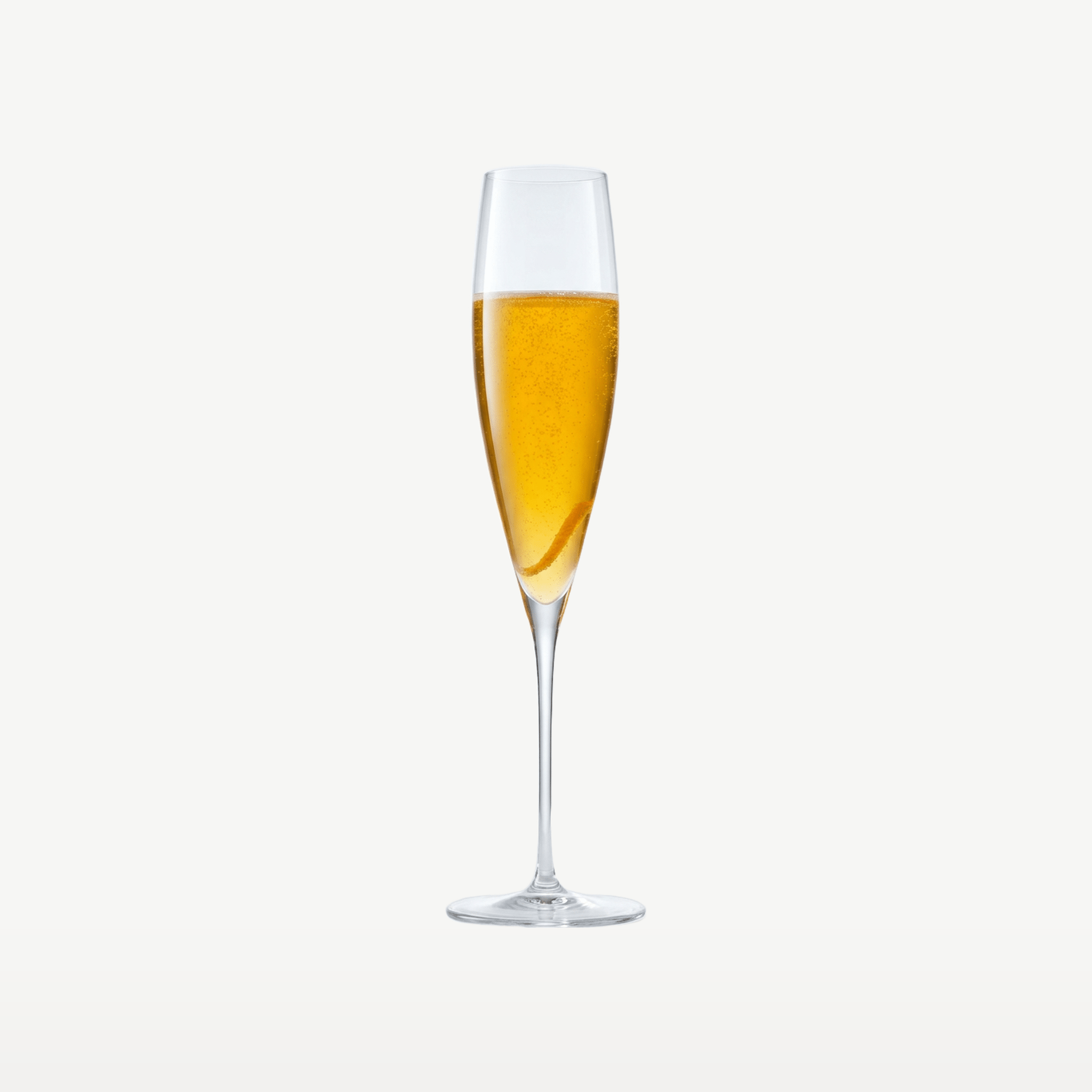
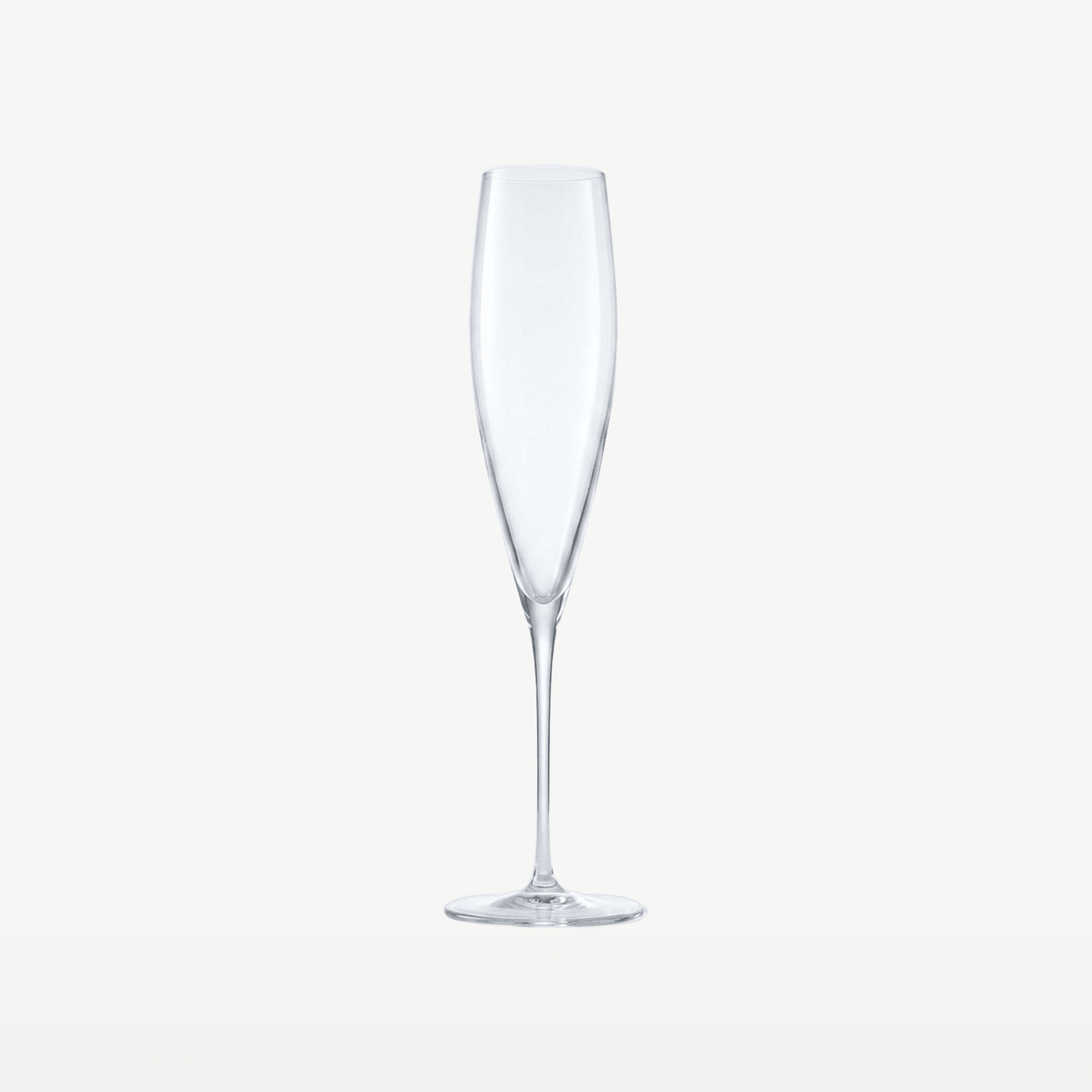
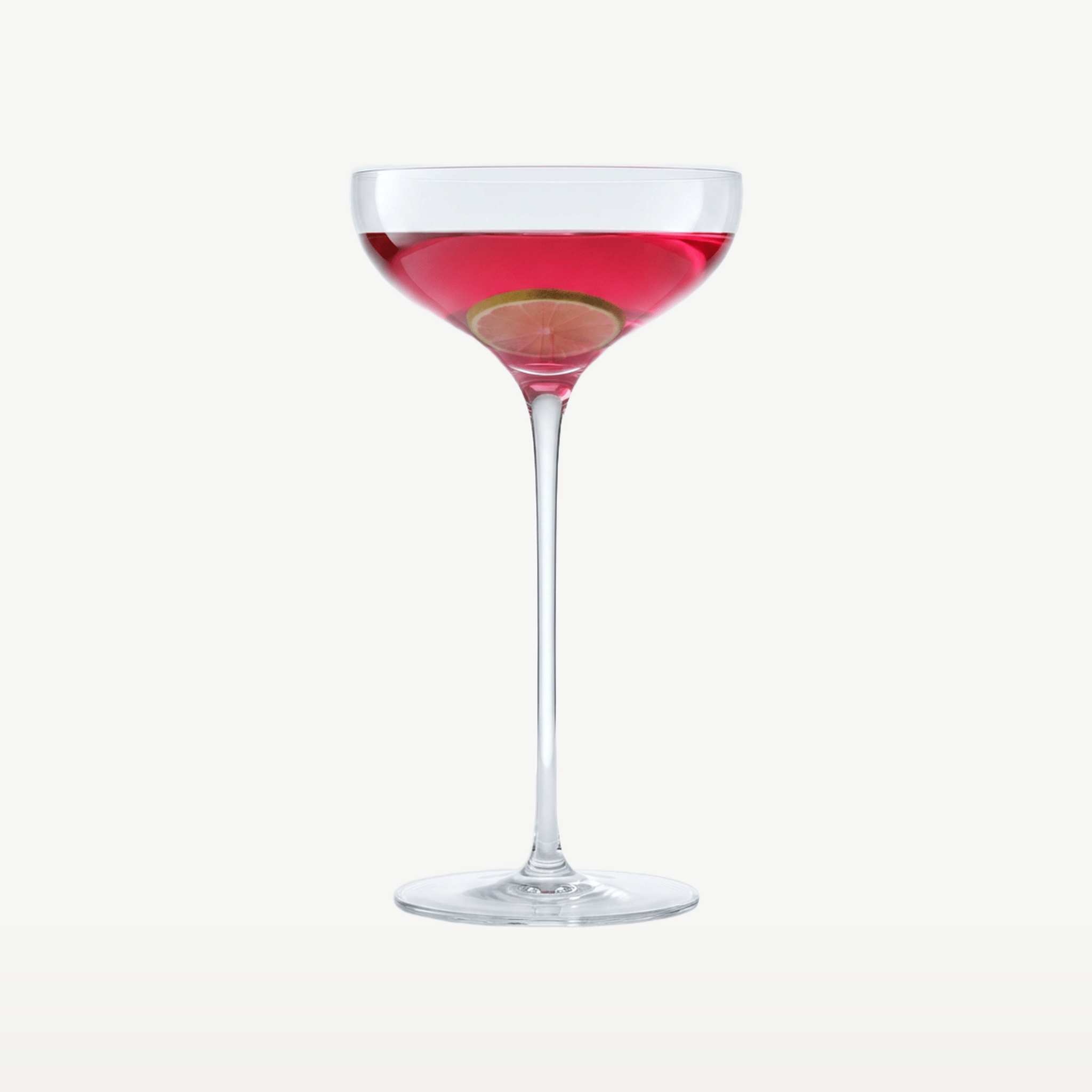
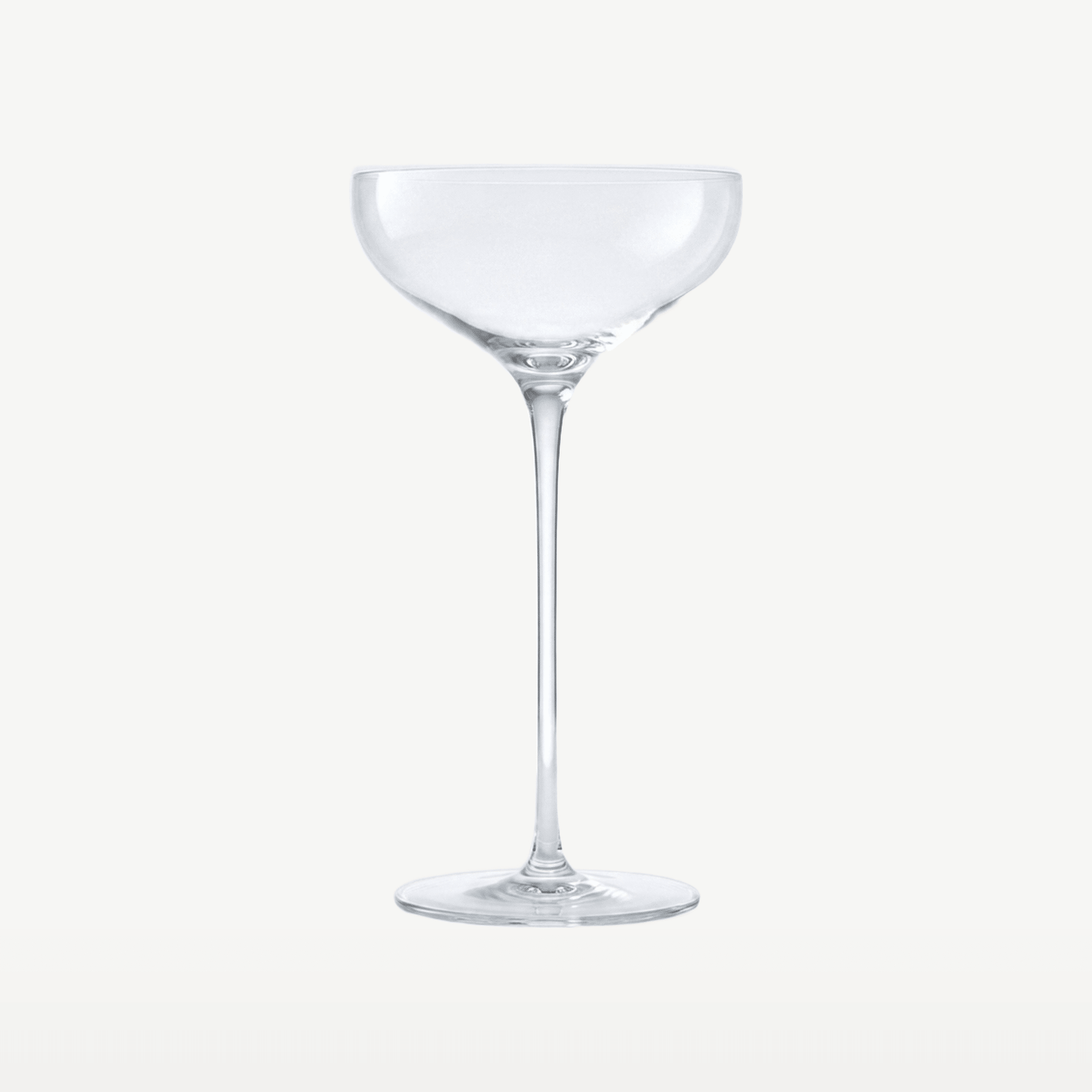


Recepten voor dit glas
Niet zeker welk glas je nodig hebt? Deze cocktails schenk je hierin.
 MimosaOrange juice & champagne · Easy
 French 75Gin & champagne · Medium
 BelliniPeach & prosecco · Easy
 Kir RoyalCassis & champagne · Easy
 Champagne CocktailCognac & bitters · Medium
 SgroppinoLemon sorbet & prosecco · Easy
 Non-alcoholic wineAlcohol-free wine · Wine
 Death in the afternoonAbsinthe · Cocktail
 New Year's Eve drinks9 drinks · Hub
 Birthday drinks9 drinks · Hub
107 recepten, elk met het glas dat erbij hoort.
Wat schenk je hierin?
De dranken die bij dit glas horen, elk met een eigen pagina over smaak, serveren en cocktails.


Honderd merken en veertig dranksoorten, elk met het glas dat erbij hoort.

Designed for an optimal taste experience
The right glass for champagne
The right champagne glass makes all the difference. The shape, height, and rim of the glass determine how the sparkling aromas, bubbles, and delicate scents come through for the best experience with every sip.
With sparkling wine, the glass matters more than with any other drink. Champagne, prosecco and cava get their character from carbon dioxide under pressure, and it starts escaping as soon as the cork comes out. A narrow bowl with little surface area exposed to the air keeps the mousse for longer. A wide bowl lets it dissipate faster. On the other hand, it releases more aroma.
Between those two extremes, you'll find the full collection, with slender champagne flutes, wide coupes and the tulip shape that sommeliers are increasingly choosing. Brands include Arcoroc, Bormioli Rocco, Spiegelau, NUDE Glass and Onis, with bowls ranging from 9.5 to 35 cl.
FAQ
What should you look for when buying champagne glasses?
Consider the shape, occasion, material, and appearance. For a classic dinner, many people choose a slender flute. For a festive or vintage look, a coupe is often more popular. When buying champagne glasses, it’s a good idea to consider whether you’ll mainly use them for champagne, prosecco, cava, or cocktails.
What do people mean by flutes or flute glasses?
By flute glasses, people usually mean tall, narrow champagne glasses. This type of glass is widely used for champagne, prosecco, and cava because it showcases the bubbles and presents the drink well.
Are champagne glasses suitable for cocktails?
Yes, absolutely. Coupes are also popular as stylish cocktail glasses for classics like an Espresso Martini or Pornstar Martini. That means champagne glasses are suitable not only for sparkling wine, but also for festive cocktails.
What is a champagne glass?
A champagne glass is specially designed for serving sparkling wine such as champagne, prosecco, and cava. The shape of the glass helps bring out the bubbles, aroma, and flavor. Flutes preserve the mousse better, while coupes allow aromas to develop more fully.
What is the difference between a flute and a coupe?
A flute is tall and narrow, which keeps bubbles visible and lively for longer. A coupe is wider and lower, giving it a more open, classic look. Flutes are often chosen for their freshness and finesse, while a champagne coupe is popular for its elegant appearance and broader aroma experience.
Are prosecco glasses different from champagne glasses?
In practice, prosecco glasses and champagne glasses are often used interchangeably. Many people choose the same type of glass for prosecco, cava, and champagne. The main difference usually lies not in the name, but in the shape of the glass.
What glasses do you use for cava?
For cava, the same glasses are usually used as for champagne and prosecco. Popular choices include flutes and tulip-shaped glasses. If you're looking for cava glasses or a cava glass, you'll often find elegant glasses that preserve the bubbles beautifully.
What is a champagne coupe?
A champagne coupe is a wide, shallow glass with a classic, festive look. It is used for champagne, but also often for cocktails and desserts. A coupe glass is especially popular with people who appreciate an elegant and eye-catching presentation.
Are plastic champagne glasses convenient?
Yes, plastic champagne glasses are especially useful outdoors, at events, garden parties, and for large groups. They are less fragile than glass, making them practical when convenience and safety matter.

Which champagne glasses are right for you?

Cold and pour in two stages

Why fat destroys your bubbles

Looking for something else?


